

Stablecoin Payments: South Korean Card Giants Launch Crucial Second Task Force for Digital Currency Integration
BitcoinWorld
Stablecoin Payments: South Korean Card Giants Launch Crucial Second Task Force for Digital Currency Integration
SEOUL, South Korea – February 2025: In a significant move toward mainstream cryptocurrency adoption, South Korea’s leading credit card companies have initiated a second comprehensive task force to develop stablecoin-based payment systems, potentially revolutionizing how consumers and merchants handle digital transactions across the nation.
Stablecoin Payments Initiative Gains Momentum
According to Yonhap Infomax reports, the Credit Finance Association now leads this ambitious initiative involving nine major card issuers. These financial institutions include Samsung Card, Shinhan Card, KB Kookmin Card, Hyundai Card, Lotte Card, Hana Card, Woori Card, BC Card, and NH Nonghyup Card. Consequently, this consortium represents nearly the entire South Korean credit card market.
The task force will specifically examine stablecoin payment processes from initial card transactions through final merchant settlements. Moreover, participants will explore debit card adaptations capable of processing stablecoin transactions at existing payment terminals. This development follows earlier exploratory discussions about digital asset integration within traditional financial systems.
South Korean Financial Landscape Evolution
South Korea has consistently demonstrated progressive attitudes toward cryptocurrency adoption. The nation maintains one of the world’s highest cryptocurrency penetration rates among its population. Previously, regulatory frameworks like the Travel Rule and specific exchange regulations established clearer guidelines for digital asset operations.
Financial authorities have gradually warmed to blockchain technology applications. For instance, the Bank of Korea continues researching central bank digital currencies (CBDCs). Simultaneously, commercial banks experiment with tokenized assets and blockchain-based settlement systems. This stablecoin payment task force represents another logical step in this technological progression.
Market Context and Global Comparisons
Globally, payment systems increasingly incorporate digital currencies. Singapore developed Project Orchid for purpose-bound digital money. Meanwhile, the European Union advances with its Markets in Crypto-Assets (MiCA) regulation framework. Japan’s largest banks recently piloted stablecoin settlements for corporate transactions.
South Korean card companies particularly focus on consumer-facing applications. Their approach emphasizes practical usability rather than theoretical frameworks. This consumer-centric strategy distinguishes their initiative from many international counterparts focusing primarily on institutional applications.
Technical Implementation Challenges
The task force must address several technical hurdles for successful stablecoin payment implementation. First, transaction speed must match existing credit card processing times. Second, system security requires robust protection against potential vulnerabilities. Third, interoperability with current payment infrastructure remains essential.
Potential solutions include:
- Layer-2 scaling solutions for faster transaction processing
- Multi-signature wallet technology for enhanced security
- API integration frameworks connecting blockchain networks to traditional systems
- Real-time conversion protocols between stablecoins and fiat currencies
Regulatory Considerations and Compliance
South Korea’s Financial Services Commission (FSC) and Financial Supervisory Service (FSS) monitor cryptocurrency developments closely. The task force must ensure compliance with existing financial regulations while anticipating future regulatory changes. Specifically, anti-money laundering (AML) and know-your-customer (KYC) requirements apply equally to stablecoin transactions.
Recent amendments to the Specific Financial Information Act provide clearer guidelines for virtual asset service providers. However, stablecoin payment systems may require additional regulatory clarifications. The task force will likely engage regulators throughout their development process to ensure full compliance.
Economic Implications and Market Impact
Successful stablecoin payment implementation could significantly impact South Korea’s economy. Transaction costs might decrease for merchants through reduced processing fees. Consumers could benefit from faster settlement times and potentially enhanced reward structures. Furthermore, cross-border transactions might become more efficient through stablecoin utilization.
The initiative aligns with broader digital transformation trends within South Korea’s financial sector. Banks increasingly digitize services while fintech companies expand their market presence. Traditional card companies recognize the necessity of adapting to these technological shifts to maintain market relevance.
Consumer Adoption Factors
Several factors will influence consumer adoption of stablecoin payment systems. User experience must equal or exceed current payment methods. Educational initiatives will help consumers understand stablecoin benefits and risks. Additionally, merchant acceptance networks must expand sufficiently to provide practical utility.
Security perceptions significantly impact adoption rates. The task force must demonstrate system security through transparent testing and verification processes. Furthermore, clear consumer protection measures will build necessary trust in these new payment mechanisms.
Industry Collaboration and Competition
The nine participating card companies represent both collaboration and competition. They cooperate on infrastructure development while potentially competing on specific implementations and customer offerings. This dynamic mirrors previous industry collaborations on payment network standards and security protocols.
Smaller fintech companies may develop complementary services around the stablecoin payment infrastructure. Additionally, technology providers will likely offer specialized solutions for different implementation aspects. This ecosystem approach could accelerate development and innovation.
Timeline and Development Phases
The task force operates within a structured timeline. Initial phases focus on technical specifications and regulatory consultations. Middle phases involve prototype development and testing. Final phases concentrate on pilot programs and gradual market rollout.
Previous industry initiatives suggest a 12-18 month development period for similar payment system innovations. However, regulatory considerations may extend this timeline. The task force will likely provide periodic updates through the Credit Finance Association to maintain industry transparency.
Global Implications and Observations
International financial institutions closely watch South Korea’s stablecoin payment developments. Successful implementation could provide a model for other nations considering similar integrations. Conversely, challenges encountered may offer valuable lessons for global financial technology development.
Asian markets particularly observe these developments given regional cryptocurrency adoption patterns. Japan, Singapore, and Hong Kong maintain active digital currency initiatives. South Korea’s approach may influence regional standards and collaboration frameworks.
Conclusion
South Korean card companies have launched a crucial second task force to develop stablecoin payment systems, representing a significant advancement toward mainstream digital currency integration. This initiative combines technical innovation with practical financial applications while addressing regulatory requirements and market realities. The stablecoin payments ecosystem continues evolving globally, with South Korea positioning itself at the forefront of consumer-facing implementations that could redefine everyday financial transactions.
FAQs
Q1: What are stablecoin payments?
Stablecoin payments involve using cryptocurrency tokens pegged to stable assets like fiat currencies for transactions, combining blockchain efficiency with price stability for practical financial applications.
Q2: Which South Korean card companies participate in this initiative?
Nine major issuers participate: Samsung Card, Shinhan Card, KB Kookmin Card, Hyundai Card, Lotte Card, Hana Card, Woori Card, BC Card, and NH Nonghyup Card through the Credit Finance Association.
Q3: How do stablecoin payments differ from traditional card payments?
Stablecoin payments utilize blockchain technology for potentially faster settlement, reduced intermediary requirements, and enhanced transparency while maintaining price stability through asset pegging mechanisms.
Q4: What challenges does the task force face?
Key challenges include regulatory compliance, technical integration with existing systems, security implementation, consumer education, and building sufficient merchant acceptance networks for practical utility.
Q5: When might stablecoin payment systems become available to consumers?
Industry timelines suggest 12-18 months for development and testing, though regulatory considerations may extend this period, with likely pilot programs preceding broader consumer availability.
This post Stablecoin Payments: South Korean Card Giants Launch Crucial Second Task Force for Digital Currency Integration first appeared on BitcoinWorld.


You May Also Like

Target (TGT) Stock Surges After Wolfe Research Elevates Rating to Outperform
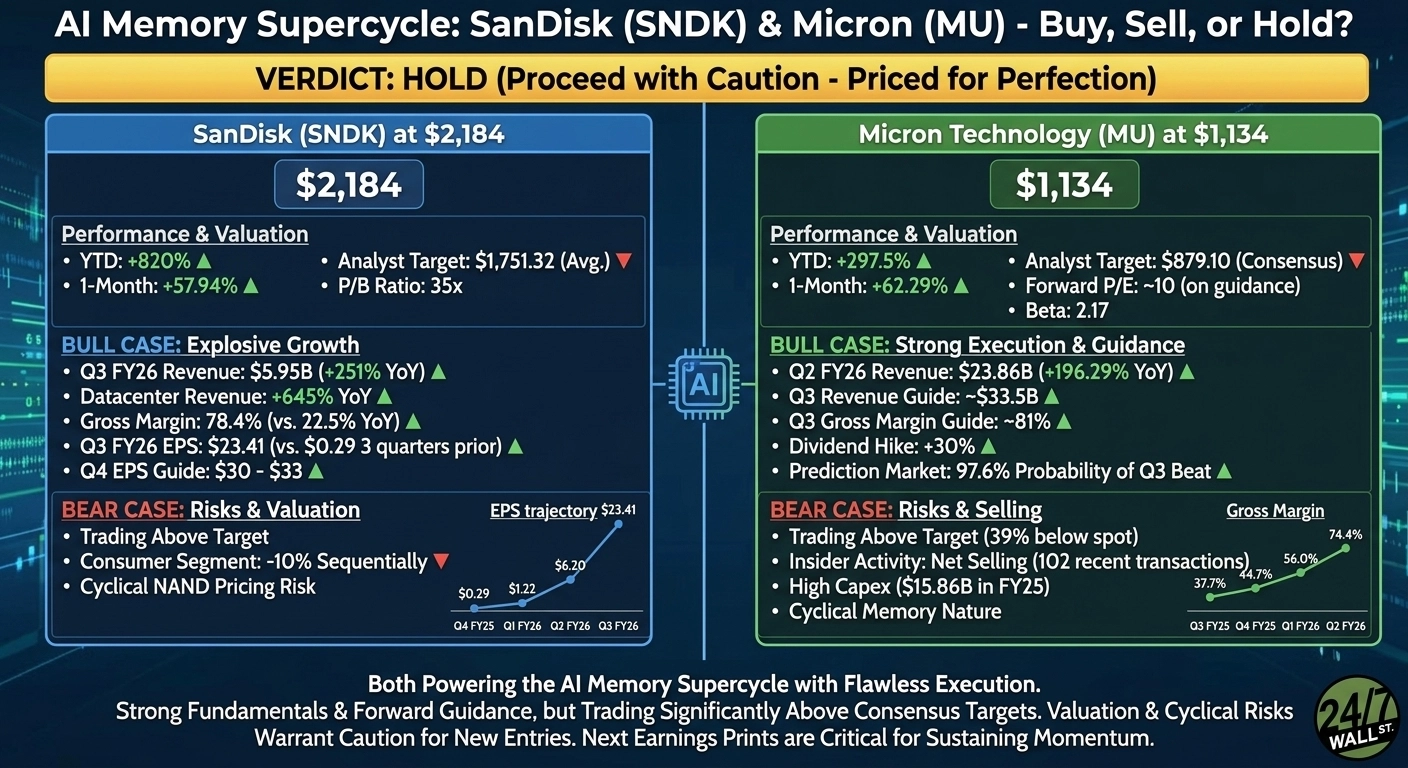
Buy, Sell, or Hold: SanDisk at $2,184 and Micron at $1,134

How Crypto Casinos Get Licensed in 2026: The Anjouan Route



