Overview of Bitcoin Cloud Mining Platforms in 2026
Bitcoin mining in 2026 is no longer something most people do from their bedrooms or garages. The reality today is simple: mining has become expensive, competitive, and highly technical. Electricity costs are higher, mining difficulty keeps increasing, and professional mining farms now dominate the network. For the average investor, buying machines, managing heat, and paying power bills simply doesn’t make financial sense anymore.
That shift is exactly why cloud mining has become so popular. Instead of running hardware yourself, you use a cloud mining platform that already operates large mining farms and handles everything on your behalf. You don’t install anything, you don’t manage machines, and you don’t worry about downtime. You just choose a plan, activate it, and monitor your earnings online. Platforms like TokensCloud are leading this transition by making Bitcoin mining accessible, flexible, and far less stressful.
Understanding Bitcoin Cloud Mining in 2026
Cloud mining allows users to access real mining operations through a web-based platform that does all the heavy lifting behind the scenes. A cloud mining platform owns or manages industrial-scale mining equipment hosted in secure data centers. The platform takes care of hardware maintenance, electricity, cooling, pool connections, and software optimization. As a user, your role is simple: you rent a portion of that mining power and receive daily rewards based on performance.
This model has also made cloud mining free entry possible. Many platforms now allow users to test mining through bonuses or trial contracts, giving beginners a risk-free way to understand how mining actually works.
How Cloud Mining Operations Function
Behind the dashboard you see as a user is a complex operation running 24/7. Mining facilities house thousands of ASIC miners that constantly solve cryptographic puzzles to secure the Bitcoin network. Advanced systems distribute workloads, monitor efficiency, and adjust performance to keep costs under control.
Some cloud mining services report operating facilities across multiple regions to manage energy costs and improve operational reliability. Its AI-driven systems automatically optimize performance, ensuring mining remains efficient even when network difficulty changes.
From your side, the process feels simple. You sign up, activate a plan, and check your daily earnings. The technical complexity stays hidden, which is exactly why cloud mining appeals to both beginners and experienced investors.
Free Cloud Mining Options in 2026
Free cloud mining options have become a key feature for people who want to explore mining without taking risks. These free plans don’t make you rich, but they allow you to see how a platform operates, how rewards are calculated, and how withdrawals work.
TokensCloud offers a $100 free mining bonus, making it one of the trusted cloud mining sites users often start with. This bonus gives access to real mining output, not demo points or simulated balances. Users can observe daily earnings, understand payout timing, and confirm that withdrawals are processed properly.
This can be a lower-risk way for beginners to understand how cloud mining works before committing funds.
Paid Cloud Mining Plans and Expected Returns
While free plans are useful for learning, meaningful income usually comes from paid cloud mining plans. These plans typically account for operational costs such as electricity, hardware, and ongoing maintenance. In return, users receive higher hash power allocation and more consistent rewards.
In 2026, the best cloud mining platforms avoid long lock-in contracts. Instead, they focus on short or medium-term plans that allow users to stay flexible. TokensCloud follows this approach by offering short-cycle contracts that give users control over how long their funds are committed.
Factors Users Consider When Choosing a Cloud Mining Platform
Founded in 2019, TokensCloud has grown into a fully managed, global cloud mining platform with a strong focus on automation, transparency, and user experience. The platform supports both beginners and experienced investors by offering free entry, simple dashboards, and scalable paid plans.
What many users appreciate is TokensCloud’s realistic approach. Instead of making exaggerated promises, it focuses on stable operations, daily reporting, and clear contract terms. This consistency is why many users view it as one of the most trusted cloud mining sites users can test before upgrading.
Security and Transparency in Cloud Mining
Trust remains one of the biggest concerns in cloud mining. Since users don’t see the physical hardware, transparency becomes critical. Reliable platforms distinguish themselves through clear reporting, realistic expectations, and verifiable activity.
Some cloud mining services offer features such as real-time earnings dashboards and transaction logs to improve visibility for users. For investors, this level of transparency reduces uncertainty and makes long-term participation more comfortable.
Energy Use and Sustainability in Cloud Mining
Electricity is the highest cost in Bitcoin mining. Cloud mining providers often choose regions with lower energy costs or favorable cooling conditions to improve efficiency. This allows the platform to maintain stable performance even as global energy prices fluctuate.
On top of that, AI-based optimization helps reduce unnecessary power consumption by dynamically adjusting mining performance. Achieving similar operational efficiency at home typically requires considerable investment and technical skills.
Additional Earning Features on Cloud Mining Platforms
Some platforms provide referral or incentive programs that may offer additional rewards. Its affiliate program pays up to 10% commission for referring others, while bounty programs reward users who contribute content or support the community.
These features allow users to increase earnings without investing more capital, making the platform attractive to marketers, content creators, and community builders.
Conclusion
Bitcoin mining in 2026 is no longer about running software or managing hardware. It’s about choosing the right cloud mining platform—one that combines robust infrastructure, efficient energy use, and transparent reporting.
Free options provide a safe way to learn, while paid plans unlock real earning potential. TokensCloud brings both together in a balanced, user-friendly system. With its $100 registration bonus, flexible contracts, and global operations, it offers a practical entry point for anyone looking to participate in Bitcoin mining without the headaches of traditional setups.
Frequently Asked Questions
Q1. Is cloud mining still profitable in 2026?
Cloud mining profitability varies and depends on operational costs, contract terms, and market conditions.
Q2. Can I really start with cloud mining free?
Yes. Platforms like TokensCloud offer free mining bonuses so users can test mining without risk.
Q3. Are free cloud mining plans worth it?
They are ideal for learning and testing. Higher earnings usually require paid plans.
Q4. Do I need technical skills to use a cloud mining platform?
No. Everything is handled by the platform, and users only need to monitor results.
Q5. What is the biggest risk in cloud mining today?
Choosing unreliable providers. It is generally advisable to research platforms carefully and prioritize services with transparent operations.
Disclaimer
Please be advised that all information, including our ratings, advice and reviews, is for educational purposes only. Crypto investing carries high risks, and CryptoNinjas is not responsible for any losses incurred. Always do your own research and determine your risk tolerance level; it will help you make informed trading decisions.
The post Overview of Bitcoin Cloud Mining Platforms in 2026 appeared first on CryptoNinjas.


You May Also Like
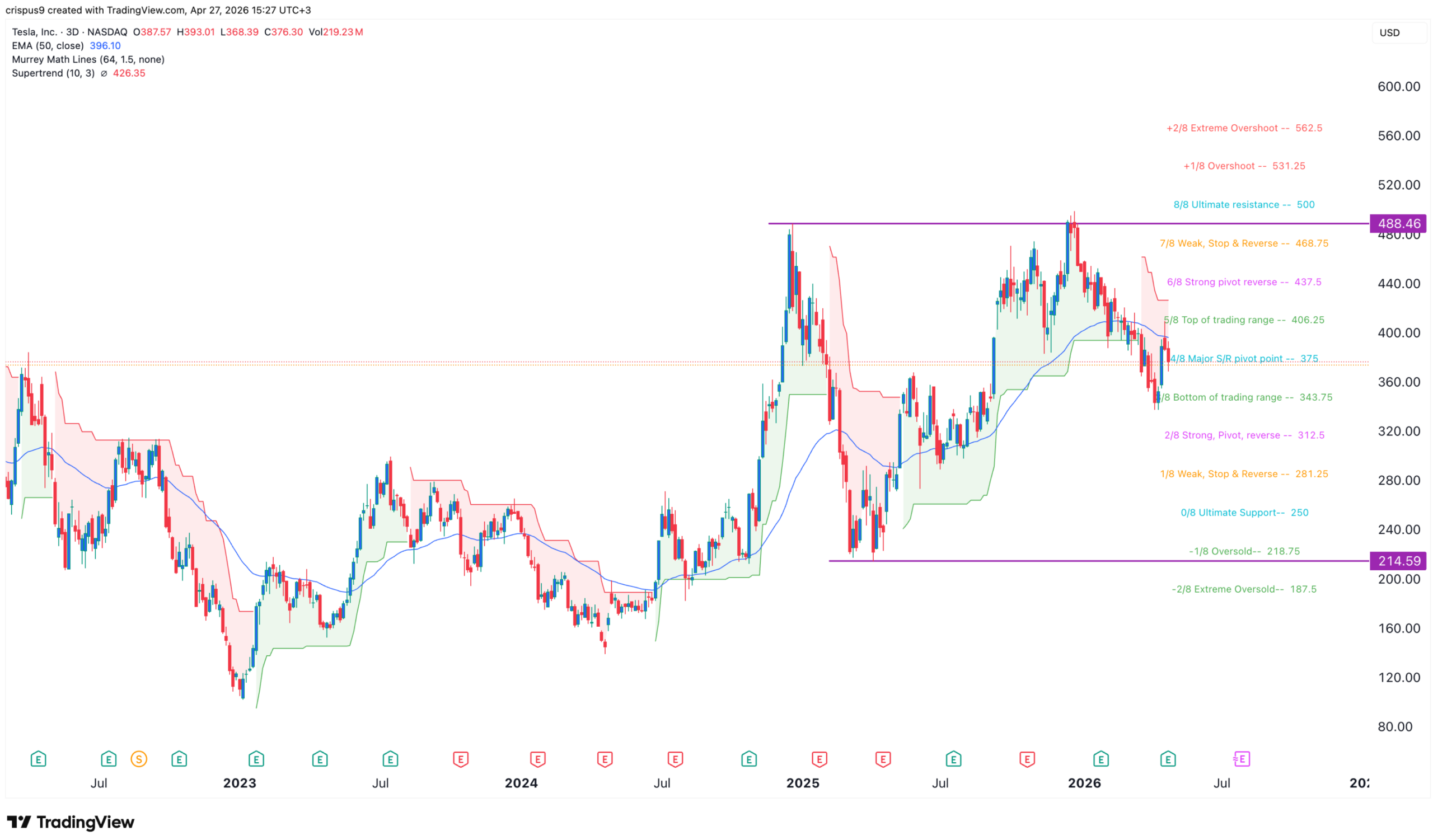
Top 4 Reasons Why Tesla Stock Price May Crash Further Soon

TopNod and Pharos Roll Out AI-Driven Reward Mechanism with KiwiNod AI Agent