- Charles Hoskinson critiques Trump administration over U.S. crypto policy.
- Hoskinson calls for changes due to regulatory delays and market losses.
- Hoskinson links losses to administration’s focus on institutional interests.
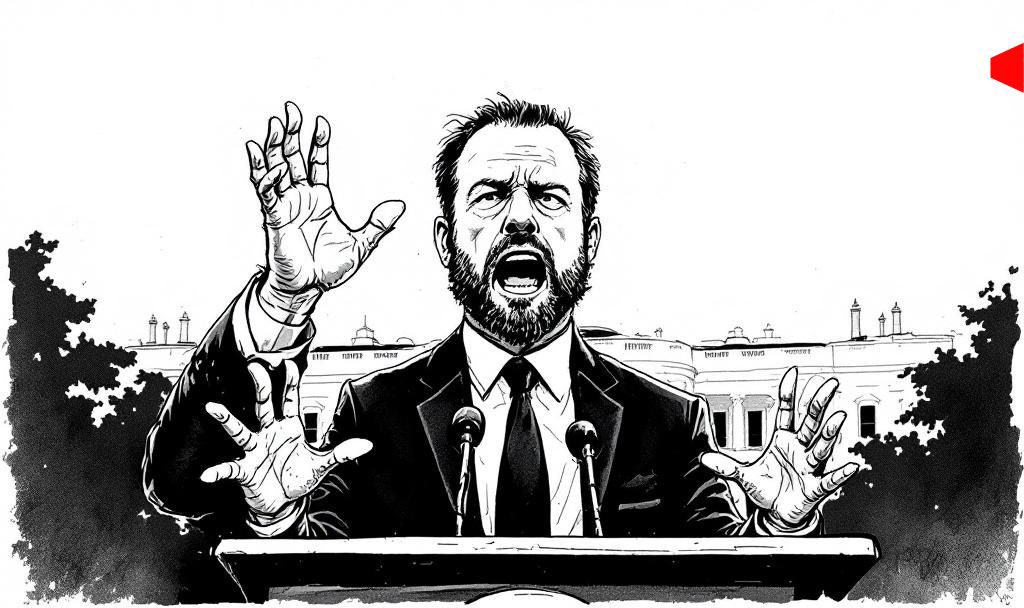 Cardano’s Hoskinson Criticizes Trump’s Impact on U.S. Crypto
Charles Hoskinson, founder of Cardano, criticized the Trump administration in early 2026 for policies he claims worsened the U.S. crypto environment, including launching Trump Coin and stalled regulatory progress.
Hoskinson’s comments highlight growing dissatisfaction within the crypto industry, reflecting concerns over centralized policy favoring large financial entities, affecting market stability and asset values.
Cardano founder Charles Hoskinson has once again voiced criticism against the former Trump administration. He pointed to adverse policies that he argues worsened the U.S. crypto landscape, emphasizing regulatory stagnation and its harmful implications for the industry.
Hoskinson highlighted the administration’s failure to make progress on essential bills such as the CLARITY and GENIUS Acts. He underscored the centralization of the industry, particularly around large Wall Street firms, resulting from these stalled efforts.
Market losses have been significant since Trump’s presidency, with most crypto assets reportedly declining by 40-50%. Hoskinson has attributed some of these declines directly to policy choices, pointing to Cardano’s 1.96% decrease as illustrative of broader trends. “Most crypto assets have lost 40% to 50% of their value since [President Donald Trump] took office. This indicates an unhealthy state of the industry,” said Hoskinson.
Financial implications of these policies have skewed towards favoring large financial institutions over smaller players. The move to appoint David Sacks as “crypto czar” was particularly criticized for lacking broader industry engagement.
Hoskinson conveyed concerns over possible scenarios where the industry could split. He foresees a potential bifurcation into a Wall Street-dominated sector versus a retail-led alternative. Regulatory hurdles could exacerbate this division, delaying growth until 2029.
Evidence suggests ongoing regulatory uncertainties continue to affect both financial and technological growth within the sector. Historical data show a consistent tilt towards institutional interests, reflecting policy direction that prioritizes large financial entities.