

Bitmine’s Stunning $293M ETH Stake Signals Major Ethereum Confidence for 2025
BitcoinWorld
Bitmine’s Stunning $293M ETH Stake Signals Major Ethereum Confidence for 2025
In a significant development for cryptocurrency markets, a blockchain address widely associated with the institutional entity Bitmine has executed a massive Ethereum staking transaction. According to data from the analytics platform Onchain Lens, this address staked an additional 92,160 ETH on March 15, 2025. This substantial move, valued at approximately $293 million, represents one of the largest single staking actions recorded this year. Consequently, the address now controls a staggering 1,436,384 staked ETH. This position carries a total value of $4.77 billion at current market rates.
Bitmine’s Expanding Ethereum Staking Position
The recent transaction dramatically increases Bitmine’s already substantial presence within the Ethereum staking ecosystem. Initially, the address began accumulating staked ETH positions in early 2023. Since that time, it has methodically increased its holdings through periodic, large-scale deposits. This latest addition of 92,160 ETH follows a pattern of strategic accumulation rather than sporadic investment. Onchain analysts note the transaction occurred during a period of relative price stability for Ethereum. This timing suggests a long-term confidence strategy rather than short-term market timing.
Ethereum staking involves locking cryptocurrency to support network security and operations. Validators who stake ETH help process transactions and create new blocks. In return, they earn rewards typically ranging from 3% to 5% annually. The Ethereum network currently has over 32 million ETH staked. This represents roughly 26% of the total supply. Bitmine’s position now constitutes approximately 4.5% of all staked ETH. This scale grants the entity significant influence within the validator community.
The Mechanics and Scale of Institutional Staking
Institutional staking operations differ substantially from individual participation. Entities like Bitmine typically utilize sophisticated infrastructure and multiple validator nodes. They often employ dedicated security teams and geographic distribution for their operations. The scale of this latest transaction—92,160 ETH—equates to funding 2,880 individual validator nodes at the standard 32 ETH requirement. Running this many nodes requires substantial technical resources and coordination.
The following table illustrates the growth of this specific address’s staked position over recent quarters:
| Time Period | ETH Staked | Approximate Value | Percentage Change |
|---|---|---|---|
| Q4 2023 | 850,000 ETH | $2.1B | — |
| Q1 2024 | 1,100,000 ETH | $3.3B | +29.4% |
| Q2 2024 | 1,250,000 ETH | $3.9B | +13.6% |
| Q3 2024 | 1,344,224 ETH | $4.3B | +7.5% |
| Current (Q1 2025) | 1,436,384 ETH | $4.77B | +6.9% |
This consistent growth pattern indicates a deliberate accumulation strategy. It contrasts sharply with the more variable trading patterns observed in many investment funds. The staking mechanism itself provides several distinct advantages for large holders:
- Yield Generation: Staked ETH generates rewards, creating a revenue stream.
- Network Participation: Validators help secure the network and influence governance.
- Reduced Market Supply: Staked ETH becomes illiquid, potentially supporting price stability.
- Long-term Alignment: Staking demonstrates commitment to Ethereum’s ecosystem health.
Expert Analysis of Staking Trends
Blockchain analysts emphasize the broader implications of such large-scale staking activities. According to industry reports, institutional participation in Ethereum staking has increased by approximately 40% year-over-year. This growth coincides with regulatory clarity in several major jurisdictions. Furthermore, traditional finance institutions have begun offering staking services to clients. This development has created additional demand for staking infrastructure and expertise.
The concentration of staked ETH among large holders remains a topic of discussion within the community. While decentralization remains a core Ethereum value proposition, practical considerations often favor institutional-scale operations. These entities can achieve higher reliability scores and better reward optimization through professional management. However, the community continues to develop technical solutions, like distributed validator technology (DVT), to enable secure decentralized staking pools.
Market Impact and Future Implications
The immediate market response to the staking news has been relatively muted. Ethereum’s price showed minimal movement following the transaction’s visibility. This reaction suggests that markets had already priced in continued institutional accumulation. However, the long-term implications are more substantial. Each staked ETH becomes locked until future network upgrades enable withdrawals. This locking mechanism effectively removes coins from circulating supply. Reduced supply, coupled with steady demand, typically creates upward price pressure over extended periods.
Other institutional players are likely monitoring Bitmine’s strategy closely. Several cryptocurrency funds and corporate treasuries have announced Ethereum positions in recent months. Many have chosen staking as their preferred method of holding these assets. The growing institutional acceptance of staking represents a maturation phase for cryptocurrency markets. It signals a shift from speculative trading toward infrastructure investment and yield generation.
The regulatory environment for staking continues to evolve. In the United States, the Securities and Exchange Commission has provided some guidance through enforcement actions. Other jurisdictions, particularly in Europe and Asia, have developed more comprehensive frameworks. These regulations typically focus on consumer protection, anti-money laundering compliance, and operational transparency. Institutional participants like Bitmine generally welcome clear regulatory guidelines. Such clarity reduces operational uncertainty and facilitates larger allocations.
Conclusion
Bitmine’s additional $293 million Ethereum staking commitment reinforces several key trends in cryptocurrency markets. First, institutional confidence in Ethereum’s long-term viability remains strong. Second, staking has emerged as the preferred method for large-scale ETH accumulation. Third, the growing proportion of staked ETH continues to reshape the asset’s supply dynamics. This Bitmine ETH staking transaction, while substantial on its own, forms part of a broader institutional migration toward blockchain infrastructure participation. As Ethereum continues its development roadmap, including further scalability improvements, such strategic commitments from major players will likely play a crucial role in network security and decentralization. The market will watch closely for similar moves from other institutional entities throughout 2025.
FAQs
Q1: What does it mean to “stake” Ethereum?
Staking Ethereum involves depositing ETH into the network to act as a validator. Validators verify transactions and create new blocks. In return, they receive network rewards. Staking requires a minimum of 32 ETH per validator node and helps secure the blockchain.
Q2: Why would an institution like Bitmine stake such large amounts of ETH?
Institutions stake ETH for several reasons: to generate yield (typically 3-5% annually), to support network security, to demonstrate long-term commitment, and to potentially benefit from reduced circulating supply effects on price.
Q3: Can staked ETH be sold or traded immediately?
No, staked ETH becomes locked and illiquid. Withdrawals are enabled through specific network upgrades. Currently, staked ETH cannot be freely traded until the validator exits the staking process, which involves a queue and unbonding period.
Q4: How does large-scale staking affect Ethereum’s decentralization?
Large-scale staking by single entities can potentially centralize validation power. However, the Ethereum community and developers actively work on solutions like Distributed Validator Technology (DVT) to allow secure staking through decentralized pools, mitigating centralization risks.
Q5: What are the risks associated with Ethereum staking?
Primary risks include technical failure (leading to slashing penalties), ETH price volatility during the lock-up period, potential protocol bugs, and future regulatory changes that might affect staking operations or taxation.
This post Bitmine’s Stunning $293M ETH Stake Signals Major Ethereum Confidence for 2025 first appeared on BitcoinWorld.


You May Also Like
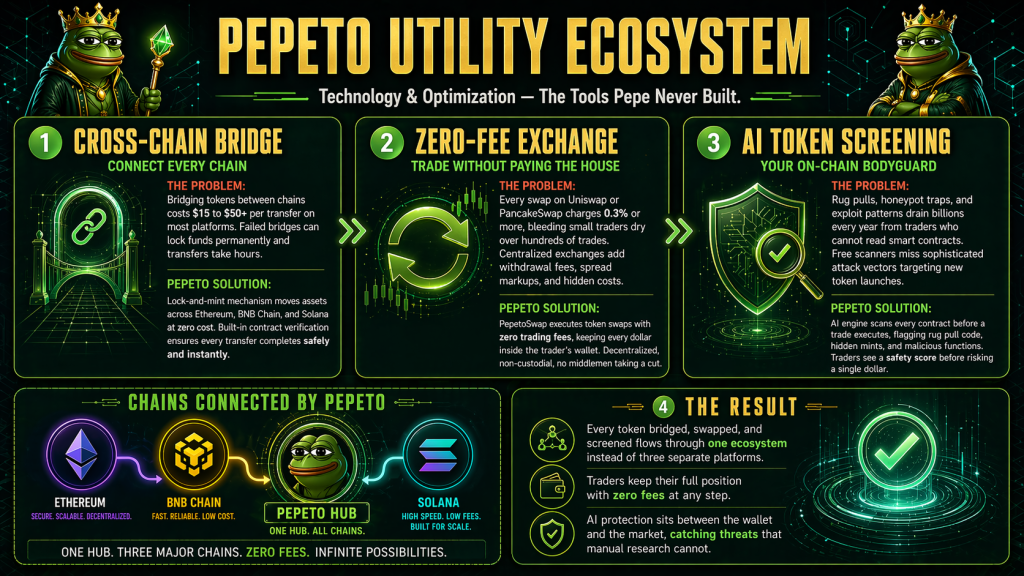
Which Are the Top 3 Cryptos to Buy Now as Solana Lands Mastercard and Pepeto Presale Nears Sold-Out Close

Ondas (ONDS) Stock Soars After Revenue Explodes Over 1,000% in Q1 2026




