Crypto Outlook for 2026: Why Liquidity Matters More Than Cycles
According to a new report from Wintermute, the familiar four-year boom-and-bust cycle is no longer the dominant force shaping crypto returns.
- The traditional four-year crypto cycle is losing relevance, with market performance now driven more by where liquidity and investor attention are concentrated.
- Institutional vehicles like ETFs are bringing steady inflows, but that capital is largely confined to a small group of large-cap assets and rarely spreads across the broader market.
- Crypto’s outlook for 2026 depends on whether liquidity broadens through expanded ETF mandates, a strong rally in major assets, or a return of retail investor interest.
Rather than moving in lockstep, capital is now behaving selectively. Liquidity is concentrating where investor attention is strongest, leaving much of the market disconnected from headline price moves in Bitcoin and other large assets. In previous cycles, gains in Bitcoin naturally spread outward into major altcoins and eventually smaller tokens. That transmission mechanism, however, appears to be breaking down.
Institutional Capital Builds Walls, Not Waves
One of the biggest structural shifts highlighted in the report is the rise of institutional investment vehicles. Products such as ETFs and digital asset trusts have become major entry points for new capital, but they operate more like closed ecosystems than open pipelines. While they can create sustained demand for a narrow set of large-cap assets, that liquidity rarely spills over into the rest of the market.
At the same time, retail interest has drifted away from crypto toward equities and thematic trades like AI and commodities. The result in 2025 was extreme concentration: a small group of dominant assets absorbed most new inflows, while the broader token market struggled to maintain momentum. Even when altcoins did rally, those moves were brief, lasting only a few weeks before fading under selling pressure and token unlocks.
Why 2026 Could Look Very Different – Or Not
Looking ahead, Wintermute outlines several potential paths for 2026, all centered on whether liquidity can broaden beyond a handful of major assets.
One possibility is that institutional products expand what they are allowed to hold. Early regulatory filings tied to assets like Solana and XRP hint that this process may already be starting. If more tokens become accessible through these vehicles, capital could begin reaching deeper into the market.
READ MORE:
Bitcoin Briefly Hits $96,000 as Shorts Get Wiped Out, Spot Demand Now in Focus
Another scenario depends on the majors themselves. A strong, sustained rally in Bitcoin or Ethereum could recreate a wealth effect similar to past cycles, encouraging investors to rotate profits back into digital assets more broadly. Whether that capital stays within crypto remains an open question.
The least likely, but potentially most impactful, outcome would be a return of retail investor focus. If attention shifts away from equities and back toward crypto, it could bring fresh inflows and renewed stablecoin issuance, helping to revive market breadth.
For now, the message from Wintermute is clear: 2026 will not be defined by familiar cycle narratives. Instead, the market’s direction will hinge on whether liquidity and investor attention finally spread beyond the largest names, or whether concentration continues to dominate crypto’s next chapter.
The information provided in this article is for educational purposes only and does not constitute financial, investment, or trading advice. Coindoo.com does not endorse or recommend any specific investment strategy or cryptocurrency. Always conduct your own research and consult with a licensed financial advisor before making any investment decisions.
The post Crypto Outlook for 2026: Why Liquidity Matters More Than Cycles appeared first on Coindoo.


You May Also Like
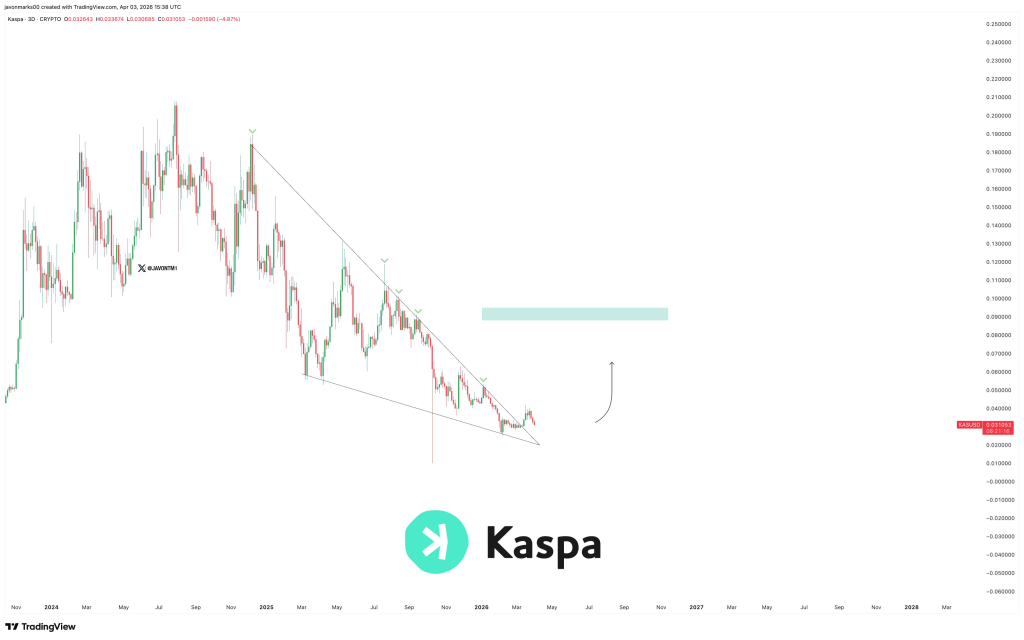
Elite Crypto Trades Updates His Kaspa (KAS) Price Prediction

Leap Wallet to Shut Down by May 28 as Team Winds Down Apps and Validator