In a recent post, he reflected on how Ethereum’s evolution within today’s Web3 stack now closely aligns with the ambitions […] The post Vitalik Buterin Says EthereumIn a recent post, he reflected on how Ethereum’s evolution within today’s Web3 stack now closely aligns with the ambitions […] The post Vitalik Buterin Says Ethereum

Vitalik Buterin Says Ethereum Has Finally Delivered on Its Original Vision

2026/01/14 23:41

In a recent post, he reflected on how Ethereum’s evolution within today’s Web3 stack now closely aligns with the ambitions laid out during the project’s earliest days.

Key takeaways:

  • Ethereum has fulfilled its original vision after transitioning to proof-of-stake and embracing ecosystem-led scaling.
  • Core functionality shifted away from the base layer toward layer-two networks and side projects.
  • Messaging, storage, and scalability goals were achieved largely outside the main protocol.
  • Buterin argues the full Web3 tech stack is now in place and continuing to strengthen.

According to Buterin, the move to proof-of-stake was a defining milestone, resolving long-standing concerns around energy use and transaction costs. At the same time, Ethereum moved away from the idea that all activity should occur on the base layer, allowing a wider ecosystem of scaling solutions to absorb demand.

When Ethereum was first outlined in 2014, the ambition extended far beyond payments. Buterin described a decentralized alternative to today’s internet—one capable of supporting finance, social networks, governance systems, crowdfunding platforms, and other digital services without centralized gatekeepers.

Reality unfolded differently in the early years. Most applications ran directly on Ethereum’s main chain, leading to congestion, rising fees, and increasing data storage pressure. This diverged from the initial architecture, which envisioned Ethereum as a settlement layer supported by separate systems for messaging and data storage, then known as Whisper and Swarm.

How the broader ecosystem filled in the gaps

Buterin now argues that Ethereum’s founding blueprint was ultimately realized not through constant base-layer changes, but through parallel development across the ecosystem. While Ethereum itself focused on the proof-of-stake transition, external builders delivered the missing pieces.

READ MORE:

How Much Will BitMine Earn Annually From Staking Over 1.5 Million ETH?

Layer-two networks and zero-knowledge Ethereum Virtual Machine projects took on the scaling role once associated with sharding, enabling faster and cheaper transactions without overwhelming the main chain. For messaging and off-chain computation, the Waku network emerged as a practical successor to Whisper. On the storage side, InterPlanetary File System has become a core component of decentralized infrastructure, even though permanent archiving remains an unresolved challenge.

Buterin has also cautioned that hype-driven narratives often obscured this steady progress. Despite that, he maintains that all foundational components for Web3 now exist and are improving year by year.
Ethereum has retained its pseudonymous design, remaining largely detached from traditional Web2 identity systems. Privacy tools such as the Railgun mixer have added another layer of anonymity, even as selective wallet blacklisting attempts to balance privacy with regulatory expectations.

Looking forward, Buterin has raised the idea of an “ossified” Ethereum—one capable of operating reliably over the long term without frequent disruptive upgrades. Recent protocol changes have increasingly targeted improvements for layer-two networks, reinforcing the idea that Ethereum’s future growth will be driven more by its ecosystem than by radical base-layer evolution.

In terms of usage, Ethereum remains highly active. Daily wallet activity sits near recent highs, supported by deep liquidity, a growing validator base, and long-term holders. The network continues to underpin decentralized finance, stablecoin issuance, lending, and on-chain trading, while layer-two networks work through the ongoing challenge of fragmented liquidity.

From Buterin’s perspective, Ethereum’s early promises are no longer theoretical. The infrastructure for a decentralized web is now operational—less shaped by speculation, and more by systems quietly delivering on what they were designed to do.


The information provided in this article is for educational purposes only and does not constitute financial, investment, or trading advice. Coindoo.com does not endorse or recommend any specific investment strategy or cryptocurrency. Always conduct your own research and consult with a licensed financial advisor before making any investment decisions.

The post Vitalik Buterin Says Ethereum Has Finally Delivered on Its Original Vision appeared first on Coindoo.


Market Opportunity
Nowchain Logo
Nowchain Price(NOW)
$0.00089
$0.00089$0.00089
-3.26%
USD
Nowchain (NOW) Live Price Chart
Disclaimer: The articles reposted on this site are sourced from public platforms and are provided for informational purposes only. They do not necessarily reflect the views of MEXC. All rights remain with the original authors. If you believe any content infringes on third-party rights, please contact [email protected] for removal. MEXC makes no guarantees regarding the accuracy, completeness, or timeliness of the content and is not responsible for any actions taken based on the information provided. The content does not constitute financial, legal, or other professional advice, nor should it be considered a recommendation or endorsement by MEXC.

You May Also Like

Unprecedented Surge: Gold Price Hits Astounding New Record High

Unprecedented Surge: Gold Price Hits Astounding New Record High

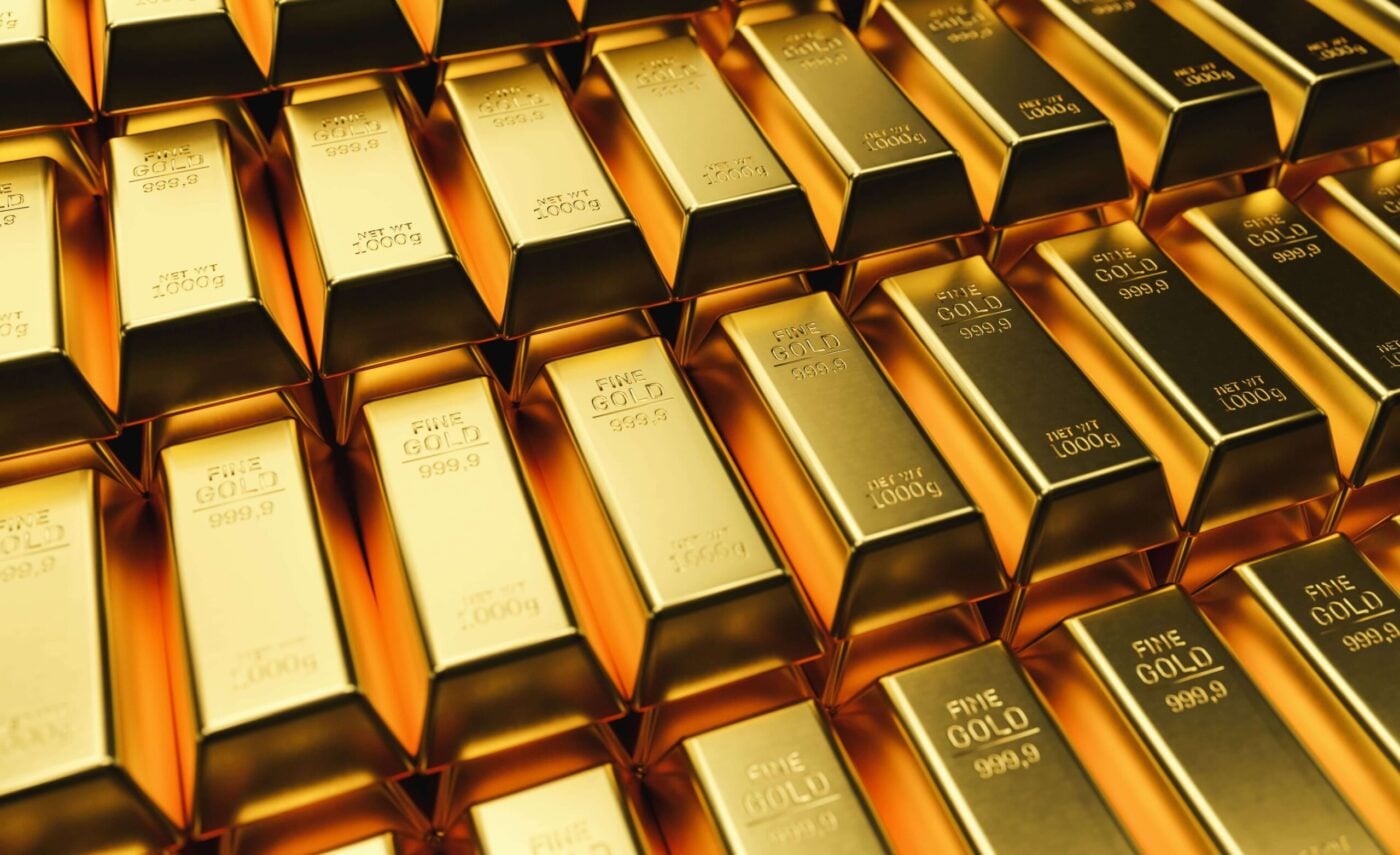
BitcoinWorld Unprecedented Surge: Gold Price Hits Astounding New Record High While the world often buzzes with the latest movements in Bitcoin and altcoins, a traditional asset has quietly but powerfully commanded attention: gold. This week, the gold price has once again made headlines, touching an astounding new record high of $3,704 per ounce. This significant milestone reminds investors, both traditional and those deep in the crypto space, of gold’s enduring appeal as a store of value and a hedge against uncertainty. What’s Driving the Record Gold Price Surge? The recent ascent of the gold price to unprecedented levels is not a random event. Several powerful macroeconomic forces are converging, creating a perfect storm for the precious metal. Geopolitical Tensions: Escalating conflicts and global instability often drive investors towards safe-haven assets. Gold, with its long history of retaining value during crises, becomes a preferred choice. Inflation Concerns: Persistent inflation in major economies erodes the purchasing power of fiat currencies. Consequently, investors seek assets like gold that historically maintain their value against rising prices. Central Bank Policies: Many central banks globally are accumulating gold at a significant pace. This institutional demand provides a strong underlying support for the gold price. Furthermore, expectations around interest rate cuts in the future also make non-yielding assets like gold more attractive. These factors collectively paint a picture of a cautious market, where investors are looking for stability amidst a turbulent economic landscape. Understanding Gold’s Appeal in Today’s Market For centuries, gold has held a unique position in the financial world. Its latest record-breaking performance reinforces its status as a critical component of a diversified portfolio. Gold offers a tangible asset that is not subject to the same digital vulnerabilities or regulatory shifts that can impact cryptocurrencies. While digital assets offer exciting growth potential, gold provides a foundational stability that appeals to a broad spectrum of investors. Moreover, the finite supply of gold, much like Bitcoin’s capped supply, contributes to its perceived value. The current market environment, characterized by economic uncertainty and fluctuating currency values, only amplifies gold’s intrinsic benefits. It serves as a reliable hedge when other asset classes, including stocks and sometimes even crypto, face downward pressure. How Does This Record Gold Price Impact Investors? A soaring gold price naturally raises questions for investors. For those who already hold gold, this represents a significant validation of their investment strategy. For others, it might spark renewed interest in this ancient asset. Benefits for Investors: Portfolio Diversification: Gold often moves independently of other asset classes, offering crucial diversification benefits. Wealth Preservation: It acts as a robust store of value, protecting wealth against inflation and economic downturns. Liquidity: Gold markets are highly liquid, allowing for relatively easy buying and selling. Challenges and Considerations: Opportunity Cost: Investing in gold means capital is not allocated to potentially higher-growth assets like equities or certain cryptocurrencies. Volatility: While often seen as stable, gold prices can still experience significant fluctuations, as evidenced by its rapid ascent. Considering the current financial climate, understanding gold’s role can help refine your overall investment approach. Looking Ahead: The Future of the Gold Price What does the future hold for the gold price? While no one can predict market movements with absolute certainty, current trends and expert analyses offer some insights. Continued geopolitical instability and persistent inflationary pressures could sustain demand for gold. Furthermore, if global central banks continue their gold acquisition spree, this could provide a floor for prices. However, a significant easing of inflation or a de-escalation of global conflicts might reduce some of the immediate upward pressure. Investors should remain vigilant, observing global economic indicators and geopolitical developments closely. The ongoing dialogue between traditional finance and the emerging digital asset space also plays a role. As more investors become comfortable with both gold and cryptocurrencies, a nuanced understanding of how these assets complement each other will be crucial for navigating future market cycles. The recent surge in the gold price to a new record high of $3,704 per ounce underscores its enduring significance in the global financial landscape. It serves as a powerful reminder of gold’s role as a safe haven asset, a hedge against inflation, and a vital component for portfolio diversification. While digital assets continue to innovate and capture headlines, gold’s consistent performance during times of uncertainty highlights its timeless value. Whether you are a seasoned investor or new to the market, understanding the drivers behind gold’s ascent is crucial for making informed financial decisions in an ever-evolving world. Frequently Asked Questions (FAQs) Q1: What does a record-high gold price signify for the broader economy? A record-high gold price often indicates underlying economic uncertainty, inflation concerns, and geopolitical instability. Investors tend to flock to gold as a safe haven when they lose confidence in traditional currencies or other asset classes. Q2: How does gold compare to cryptocurrencies as a safe-haven asset? Both gold and some cryptocurrencies (like Bitcoin) are often considered safe havens. Gold has a centuries-long history of retaining value during crises, offering tangibility. Cryptocurrencies, while newer, offer decentralization and can be less susceptible to traditional financial system failures, but they also carry higher volatility and regulatory risks. Q3: Should I invest in gold now that its price is at a record high? Investing at a record high requires careful consideration. While the price might continue to climb due to ongoing market conditions, there’s also a risk of a correction. It’s crucial to assess your personal financial goals, risk tolerance, and consider diversifying your portfolio rather than putting all your capital into a single asset. Q4: What are the main factors that influence the gold price? The gold price is primarily influenced by global economic uncertainty, inflation rates, interest rate policies by central banks, the strength of the U.S. dollar, and geopolitical tensions. Demand from jewelers and industrial uses also play a role, but investment and central bank demand are often the biggest drivers. Q5: Is gold still a good hedge against inflation? Historically, gold has proven to be an effective hedge against inflation. When the purchasing power of fiat currencies declines, gold tends to hold its value or even increase, making it an attractive asset for preserving wealth during inflationary periods. To learn more about the latest crypto market trends, explore our article on key developments shaping Bitcoin’s price action. This post Unprecedented Surge: Gold Price Hits Astounding New Record High first appeared on BitcoinWorld.
Share
Coinstats2025/09/18 02:30
Moniepoint launches 2nd cohort of DreamDevs initiative to double down on tech talent pipeline

Moniepoint launches 2nd cohort of DreamDevs initiative to double down on tech talent pipeline

Moniepoint Inc, one of Africa’s leading digital financial services providers, has opened applications for the second cohort of… The post Moniepoint launches 2nd
Share
Technext2026/01/15 04:18
Monero price prediction: Will XMR break $750?

Monero price prediction: Will XMR break $750?

The post Monero price prediction: Will XMR break $750? appeared on BitcoinEthereumNews.com. Monero price is on our crypto radar after hitting a new all-time high
Share
BitcoinEthereumNews2026/01/15 04:06