- Trump announces tariffs affecting trade with NATO countries.
- Greenland purchase dispute leads to potential trade shifts.
- Experts foresee possible global trade adjustments.
 US Tariffs on NATO Countries: Implications for Global Trade
President Trump announced tariffs on countries opposing the U.S. effort to acquire Greenland, effective from February 1, 2026, potentially affecting Denmark and NATO allies.
The tariffs may impact international trade dynamics, sparking diplomatic tensions and discussions on sovereignty and economic strategies among affected countries.
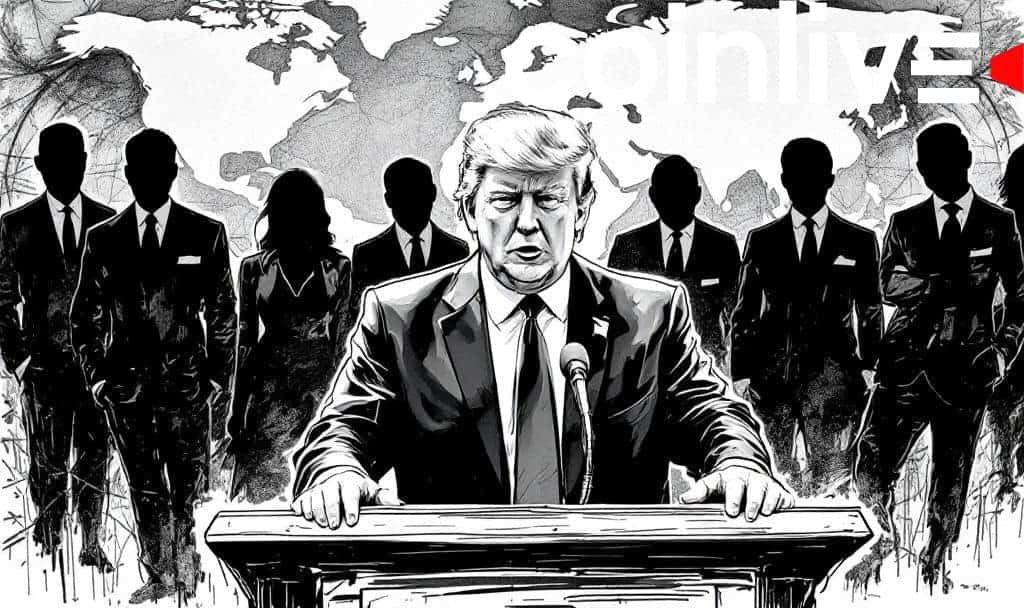
The U.S. President, Donald Trump, announced tariffs on goods from several NATO countries. The tariffs target nations opposing the U.S. interest in acquiring Greenland, a strategic geopolitical region. The move signifies escalating diplomatic tensions.
Countries involved include Denmark, Norway, and France, among others. Trump declared a 10% tariff starting February 2026, increasing to 25% by June 2026. No cryptocurrency or blockchain projects are implicated in this political action.
The immediate effects of these tariffs alter global trade dynamics, impacting industries reliant on exports to the U.S. Greenland and Denmark responded with diplomatic protests, emphasizing their sovereignty and security priorities.
The political tension between the nations underscores broader implications for NATO alliances and international relations. French President Emmanuel Macron reaffirmed France’s commitment to national sovereignty and independence in response to the tariff announcement.
Focused entirely on geopolitical trade, this development does not influence cryptocurrency markets.
Analysts predict shifts in trade policies as nations adjust to new tariff structures. Historical trends suggest possible realignment of international trade agreements, aiming to mitigate economic impacts on affected European countries.