

Ethereum Validator Exit Queue Clears, Easing Long-Standing Staking Bottlenecks

Ethereum’s staking system has reached a notable operational milestone. After months of congestion, the network’s validator exit queue has cleared, allowing validators to leave the staking set without extended delays. The change has drawn attention across DeFi and infrastructure circles because it alters how quickly staked ETH can move back into circulation, affecting liquidity planning and on-chain activity. Reporting from DL News frames the shift as a moment of relief for staking protocols that have had to manage prolonged exit times during periods of high validator demand.

Liquidity Effects Beyond Staking
As validator exits become easier to process, ETH locked in staking is no longer subject to the same timing uncertainty that previously constrained on-chain activity. When withdrawals can be planned with greater confidence, capital that was effectively immobilized for weeks can rotate more freely across the network. That shift matters beyond staking itself. Applications that depend on continuous ETH availability, including decentralized exchanges, lending markets, and coin crypto casinos, depend on ETH being available without prolonged lockups, as funds move in shorter cycles and transactions are resolved on demand rather than through delayed withdrawal windows. The clearing of the exit queue illustrates how improvements at the staking layer support use cases that rely on predictable liquidity, reinforcing Ethereum’s role as an active transactional network rather than one shaped by extended capital constraints.
What the Exit Queue Change Signals
Ethereum’s validator exit queue had previously grown as staking participation increased, creating wait times that stretched into weeks during peak periods. The recent clearing indicates that exits and withdrawals are now processing without backlog. This does not alter Ethereum’s staking rules, but it does change day-to-day expectations for validators who want flexibility in managing their positions. For staking providers, shorter or nonexistent exit queues reduce the operational complexity of handling redemptions and rebalancing capital.
Growing Visibility in Market Commentary
The validator exit queue has fallen close to zero and is now being noted alongside broader assessments of Ethereum’s network conditions. In parallel, the entry queue for new validators has expanded, indicating that staking demand continues even as exits have become easier to process. This combination places staking mechanics alongside liquidity flow and participation levels when evaluating how the network is functioning. Rather than being treated as a background technical constraint, the balance between validator exits and new staking activity is increasingly referenced as part of Ethereum’s current operational state, shaping how on-chain capacity and capital movement are interpreted.
Implications for DeFi and Network Participation
With exits no longer delayed, staking protocols may face different behavior from validators who previously hesitated to lock up ETH due to withdrawal uncertainty. DL News highlights that liquid staking platforms and other DeFi services are watching closely, as smoother exits can influence how users allocate ETH between staking and other on-chain uses. The development does not guarantee changes in staking participation, but it removes one of the structural frictions that had shaped recent behavior.
This article is not intended as financial advice. Educational purposes only.


You May Also Like
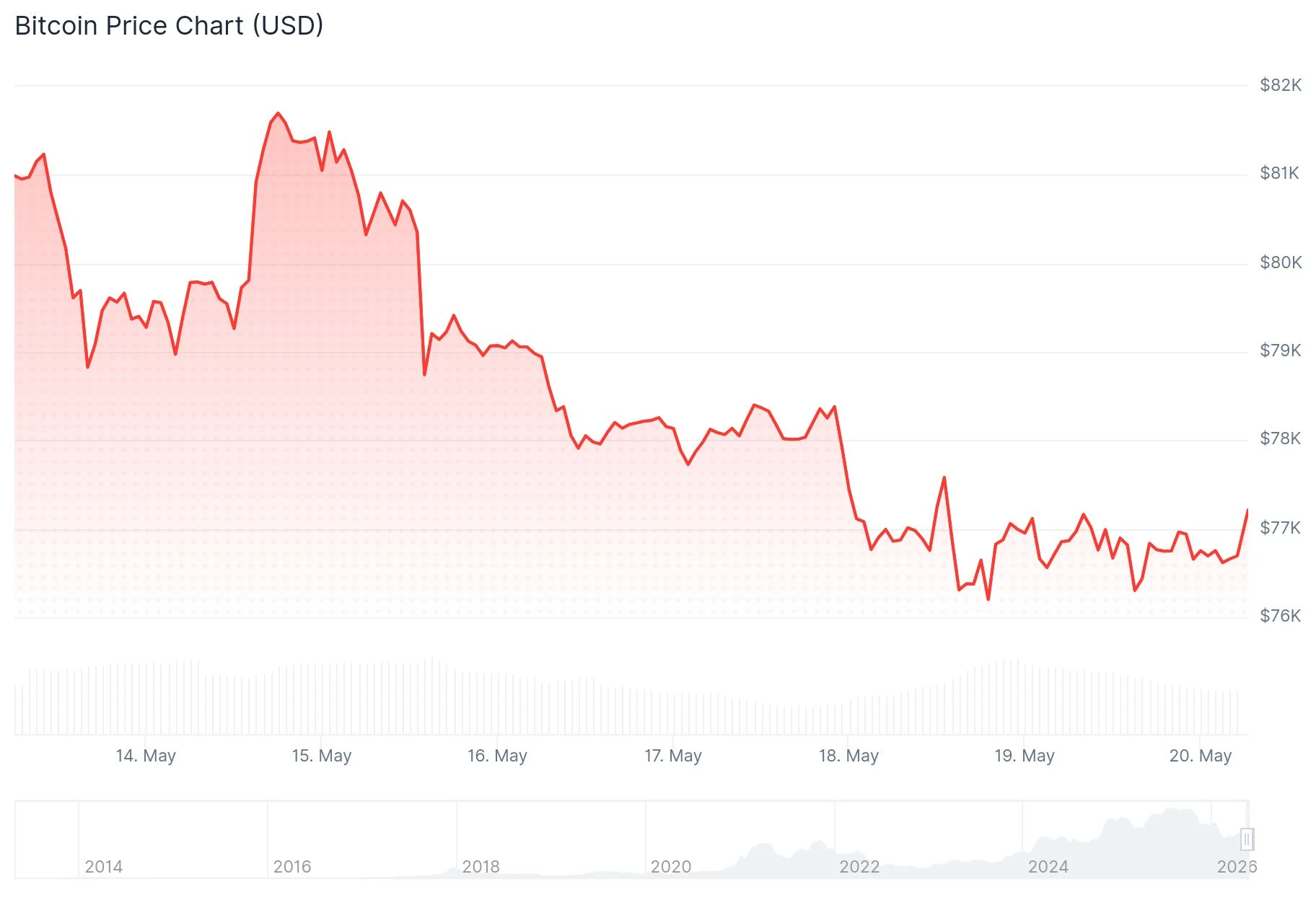
Bitcoin (BTC) Hovers Above $77K Amid Iran Diplomacy and Rising Treasury Yields

Beyond Cleaning: What Else You Must Check Before Moving Out




