

Stellar Teams Up With MIT to Advance Interoperability for Frictionless Asset Movement
- Stellar has partnered with MIT and other leading blockchain projects including Chainlink, Wormhole and Canton on a new whitepaper addressing interoperability.
- The whitepaper proposes new standards that enable any issuer and investor to trade a tokenized asset on any technology and at any time.
Stellar has joined the Massachusetts Institute of Technology (MIT) and dozens of other DLT projects in a new initiative that seeks to establish new global standards of interoperability for tokenization.
The group is working under an umbrella body dubbed Interoperability Standards Organization for Digital Assets (I-SODA). MIT says the project has been under development for years, but it published its first whitepaper on Wednesday, breaking down its approach and proposing the standards.
 Image Courtesy of Stellar on X
Tokenization has become one of the most pivotal applications of blockchain technology today, and as we reported, the projections for the sector are in the trillions. Every major blockchain project, including Stellar, is now positioning itself as the best network for issuing tokens as they compete for traditional finance clients.
However, tokenization will run into the same brick wall as other novel technologies before it: siloed networks that compete but can’t cooperate. Today, every major global bank is deploying tokenization projects on its own closed ecosystem, attempting to become the industry leader, all on their own. Blockchain networks are also engaged in similar competition, and while Ethereum is the runaway leader, this hasn’t stopped others from investing heavily to catch up.
The MIT whitepaper captures this best, stating:
Can Stellar, MIT and Co. Bring Interoperability to Tokenization?
It’s with the goal of finally getting all tokenization players to work together that MIT has brought together some of the leading institutions to find common standards. These include Stellar, Chainlink, the XRP Ledger, Tokenovate, the Enterprise Ethereum Alliance, Canton, the Cardnao Foundation, ZKSync and the Solana Foundation.
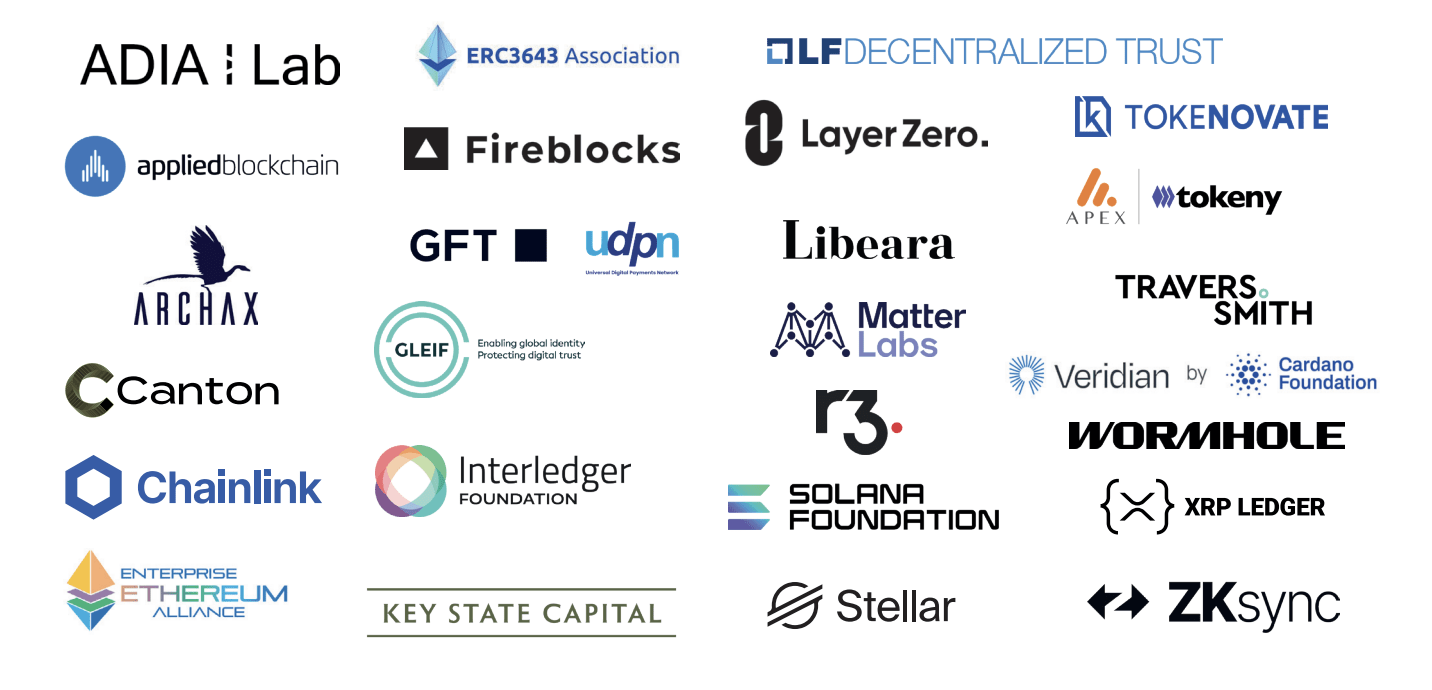 Source: I-SODA
Commenting on the initiative, the Stellar Foundation said that industry standards are critical, not just to promote faster tech deployment, “but also for trust.” Assets tokenized under such standards are “programmable, interoperable instruments capable of moving securely and efficiently across global markets.”
It added:
The Foundation noted that it has been supporting open token standards for years and has been collaborating with other industry organizations to find a middle ground.
Other partners concurred. Digital Asset, the firm behind the Canton blockchain network, says that the future of global finance “will run on networks that can trust and transact across boundaries, without compromising on threshold regulatory issues like privacy.”
Canton is a network built to serve financial institutions. As we reported, it has quietly become one of the world’s main tokenization layers, overtaking established players like Ethereum and Solana by directly targeting Wall Street. It now processes over $6 trillion in monthly volume, with the DTCC’s $100 trillion business set to land on the chain in the near future.
The Solana Foundation, also a member of I-SODA, added:
XLM trades at $0.215, gaining 1.2% in the past day.
]]>

You May Also Like
Why DOGEBALL Is Becoming The Top Crypto To Buy Now Before Its 2nd May Presale Close

US-Israeli strikes, blockade strain Iran’s economy amid regime change speculation




