

Thailand and Vietnam Move to Regulate Crypto as Southeast Asia Tightens Oversight
While Thailand is expanding access to regulated crypto investment products, Vietnam has begun operational steps toward licensing digital asset trading platforms, signaling a broader regional shift toward supervised crypto markets.
Key takeaways
- Thailand is preparing new rules to support crypto ETFs, futures, and tokenized assets
- Vietnam has opened licensing applications for crypto trading platforms
- Both countries aim to channel demand into regulated markets, not ban crypto
- The regulatory push comes amid economic headwinds across Southeast Asia
Thailand advances crypto ETFs and futures amid economic strain
Thailand is reshaping its digital asset framework as part of a strategy to steer investor demand into supervised markets while preserving financial stability. The Thai Securities and Exchange Commission is drafting a new set of regulations scheduled for release early this year, aimed at supporting crypto exchange-traded funds, crypto futures trading, and tokenized investment instruments.
Jomkwan Kongsakul, deputy secretary-general of the Thai SEC, said formal guidelines for crypto ETFs are expected in the coming months, following in-principle approval granted last year. Under the proposed framework, asset management firms would collaborate with licensed crypto exchanges to develop ETFs that could be listed on the Stock Exchange of Thailand.
In parallel, the SEC is working to recognize digital assets as an underlying asset class under the Derivatives Act, which would allow crypto futures to trade on the Thailand Futures Exchange. Regulators are also expanding the regulatory sandbox to allow bond-token issuers to test products under supervision.
The Thai SEC has indicated that higher-risk investors could allocate around 4–5% of portfolios to digital assets, while also tightening oversight of financial influencers and requiring licenses for anyone providing investment recommendations. The government has additionally announced plans to issue its first green token to support environmental, social, and governance-focused financing.
READ MORE:
Banks vs. Crypto: How Regulation Could End the Divide
This regulatory push comes as the Bank of Thailand warns that economic competitiveness is weakening. A strong baht, U.S. tariffs, high household debt, and political uncertainty are all expected to weigh on growth into 2026.
Vietnam opens licensing window for regulated crypto platforms
Vietnam, meanwhile, has taken a concrete step toward launching a regulated crypto market by opening applications for licenses to operate digital asset trading platforms. The State Securities Commission of Vietnam confirmed that applications are being accepted following new administrative procedures issued by the Ministry of Finance of Vietnam under Decision No. 96.
The move activates Vietnam’s long-planned five-year pilot program for a supervised crypto market. It follows the entry into force of the Law on the Digital Technology Industry, which for the first time defines digital and crypto assets in Vietnamese law. While crypto assets are recognized as property, they remain excluded from legal tender status and cannot be used as a means of payment.
Interest from domestic financial institutions is now emerging. Local media reports indicate that around 10 securities firms and banks have publicly stated their readiness to apply for licenses, including SSI Securities, VIX Securities, and major banks such as Military Bank, Techcombank, and VPBank.
However, Vietnam’s framework remains among the most restrictive in the region. Applicants must be Vietnamese entities with minimum paid-in capital of 10 trillion dong (about $380 million), with at least 65% held by institutional shareholders and foreign ownership capped at 49%. The issuance of fiat- or security-backed crypto assets is also prohibited under the pilot regime.
A regional shift toward controlled crypto adoption
Taken together, Thailand and Vietnam illustrate a broader Southeast Asian trend: governments are no longer debating whether crypto should exist, but how tightly it should be regulated. By expanding regulated products while imposing strict licensing and capital requirements, both countries are attempting to capture investor demand without amplifying systemic risk.
Whether these pilot frameworks evolve into permanent, more open crypto regimes will likely depend on how effectively regulators balance innovation, investor protection, and economic stability in the years ahead.
The information provided in this article is for educational purposes only and does not constitute financial, investment, or trading advice. Coindoo.com does not endorse or recommend any specific investment strategy or cryptocurrency. Always conduct your own research and consult with a licensed financial advisor before making any investment decisions.
The post Thailand and Vietnam Move to Regulate Crypto as Southeast Asia Tightens Oversight appeared first on Coindoo.


You May Also Like
Cryptocurrency Companies Fleeing Europe! High Interest in This Country Due to MICA Regulation! Here Are the Details
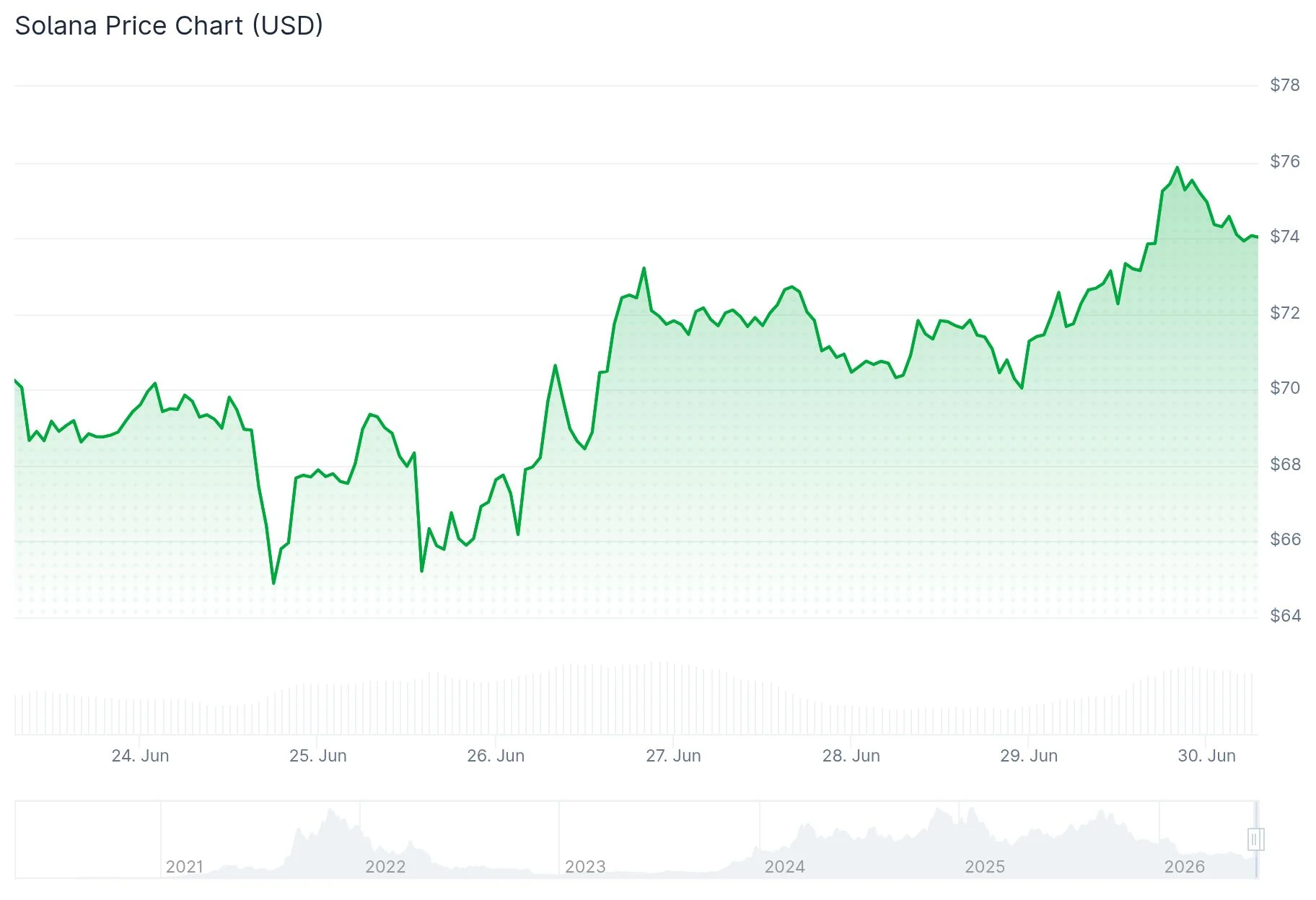
Solana (SOL) Faces Critical Juncture: $50 Downside or $150 Breakout Ahead


