Why can’t I buy XRP on Fidelity?
Why can’t I buy XRP on Fidelity?
If you typed buy XRP on Fidelity into a search bar, you’re not alone — that phrase is the first sign of a real question: why would a big brokerage skip a popular token? The short answer: regulatory uncertainty, custody rules, and institutional risk management keep many brokerages cautious. Read on for the full picture and practical steps if you want access today.
Quick tip: for clear updates and plain-language coverage about tokens like XRP, check out Finance Police’s ongoing reporting and guides at FinancePolice.com.
Let’s unpack what’s happening, how it affects you, and where you can safely buy or hold XRP if Fidelity doesn’t list it.
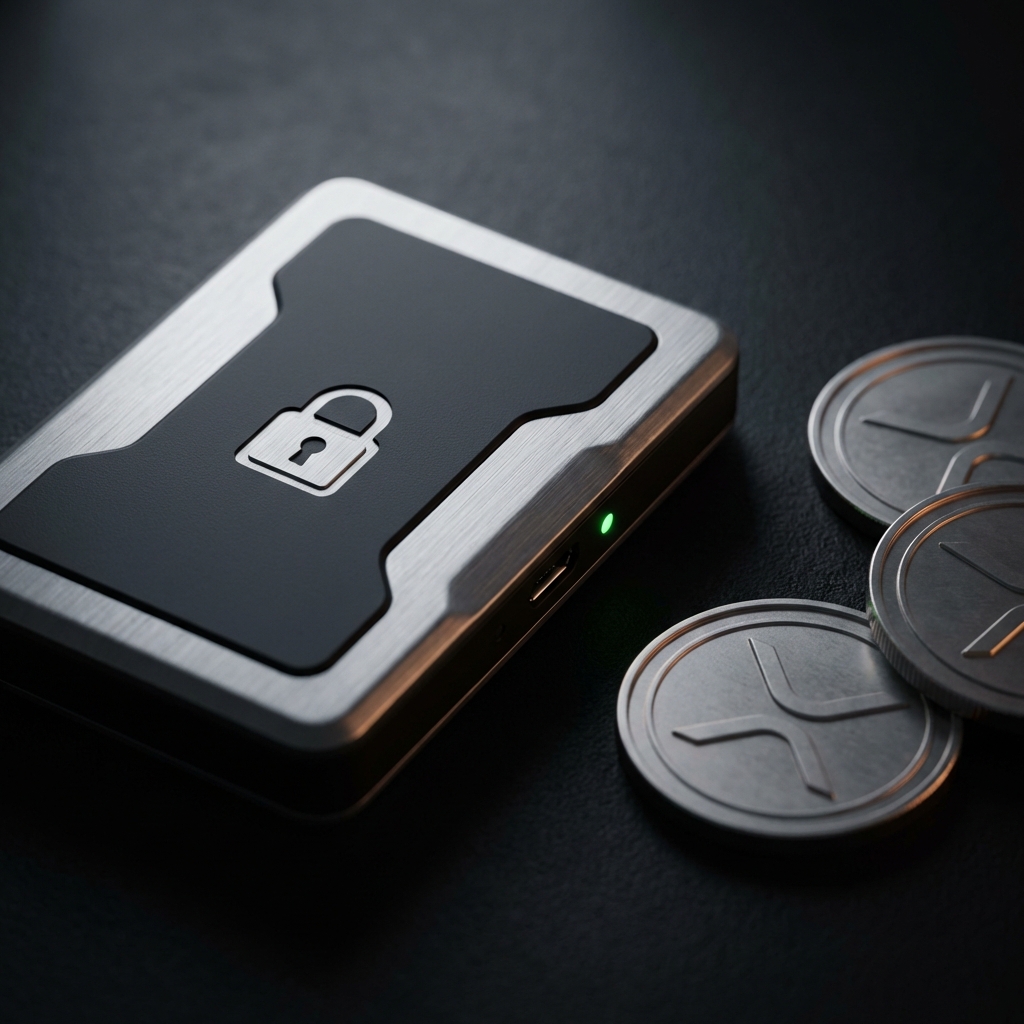
Start with a reputable, regulated exchange that lists XRP. Complete identity verification, fund the account with a small amount, buy a test amount of XRP, then practice a small withdrawal to a private wallet. Keep a record of every step, enable 2FA, and move the bulk of your holdings to a hardware wallet if you're holding long-term — this simple routine minimizes surprises and reduces risk.
How a single court decision helped – and why it wasn’t enough
In July 2023 a federal judge found that programmatic retail sales of XRP on exchanges were not securities. That ruling made headlines and gave retail traders confidence. But it didn’t answer every question about the token. Institutional sales, negotiated deals, and other forms of distribution were left open to interpretation. For broker-dealers and custodians — companies that hold assets on behalf of clients — that partial clarity is often not sufficient to change policy right away.
Because of that ambiguity, many people still search for how to buy XRP on Fidelity, expecting a simple answer. The reality is that Fidelity must think about potential legal outcomes, insurance coverage for custody, and the operational changes needed to manage a token that might be treated differently depending on the facts of a sale.

Why big brokerages act slowly
Broker-dealers and custodians serve as stewards of customer assets. They operate under tight rules, have to satisfy insurance providers, and must maintain robust compliance programs (KYC/AML, reporting, reconciliation). If an asset could later be deemed a security in some contexts, a brokerage could face new obligations that affect everything from reporting to how client accounts are handled. That’s why many institutions take a conservative approach. For legal summaries and comparative regulatory discussion see Blockchain & Cryptocurrency Laws & Regulations 2026.
When people ask to buy XRP on Fidelity, they’re really asking whether a trusted, regulated intermediary will hold the token for them. Until legal and regulatory signals crystalize, firms like Fidelity often wait so they don’t expose clients – or themselves – to avoidable risk. Practical AML and KYC set-up notes are usefully summarized in US Crypto Regulations 2026: AML Compliance & General Setup.
What the 2023 decision changed – and what it left unclear
The 2023 ruling removed one big obstacle: retail, programmatic exchange sales were less likely to be treated as securities. But the judge was careful to limit the decision. Institutional sales, large negotiated transactions, and the specific conduct of certain market actors were not settled. For many brokerages, that remaining uncertainty is the decisive factor.
So the answer to why can’t I buy XRP on Fidelity remains rooted in the practical ways a firm must manage legal ambiguity — it’s not just about XRP’s technology or demand.
How exchanges responded
After the ruling, regulated exchanges with strong compliance teams reviewed their risk models and some relisted XRP. Those platforms typically require identity verification and AML screening. They judged the ruling, their local regulatory environment, and the appetite of their insurers before deciding to offer XRP to customers.
That’s why many people who still want to buy XRP on Fidelity instead use regulated exchanges that have chosen to list the token under specific controls and reporting rules. If you’re evaluating providers or white-label solutions, see the Top White Label Crypto Exchange Providers of 2026 overview.
Where you can buy XRP safely in 2026
If Fidelity doesn’t offer XRP, consider a regulated exchange that lists XRP and meets the rules where you live. Those exchanges usually require KYC checks, provide account security features, and offer withdrawal processes. Remember: “regulated” varies by jurisdiction, so check licenses and local rules before you deposit funds to buy XRP on any platform.
Get clear crypto updates from Finance Police
Want clear updates and coverage you can trust? Visit Finance Police for straightforward guides and timely reporting on tokens like XRP — practical advice for everyday investors learn more.
Learn more
Checklist for choosing an exchange
Before you try to buy XRP on Fidelity via other means, use this checklist:
- Is the exchange licensed where it operates?
- Does it require identity verification (KYC)?
- Does it have strong security measures (2FA, cold storage policies)?
- What are the withdrawal limits and fee schedules?
- Does it provide clear tax reporting documentation?
Answering these questions helps you pick a venue that matches your risk tolerance and legal comfort level.
Custody choices: exchange custody vs. self-custody
When you can’t buy XRP on Fidelity and instead use an exchange, you’ll face a custody decision: leave XRP on the exchange or transfer it to a private wallet where you hold the keys.
Exchange custody — pros and cons
Pros: convenience, fast trading, and insurance policies that sometimes cover certain losses. Cons: counterparty risk, potential regulatory freezes, or operational failures.
Self-custody — pros and cons
Pros: full control, less counterparty exposure, and the ability to move tokens without an intermediary. Cons: full personal responsibility — lose your private key and you usually lose access permanently.
Whether you plan to trade frequently or hold long-term will help determine which route fits you. Many users keep a small active balance on exchanges and move the majority to cold storage.
Tax and recordkeeping basics
U.S. tax authorities treat crypto as property. Buying tokens doesn’t typically trigger taxable events, but selling, trading, or using crypto as payment usually does. Keep records: transaction dates, amounts, dollar values at trade time, and transaction IDs. If you plan to buy XRP on Fidelity in the future or trade it elsewhere today, meticulous bookkeeping will save headaches come tax season.
For complex situations — large volumes, business use, or international transfers — consult a tax professional familiar with digital assets.
What would make Fidelity change course?
Three main developments could prompt a broker like Fidelity to consider listing XRP:
- A final appellate decision clarifying the status of institutional sales.
- Clearer guidance from regulators such as the SEC about how different token sales are treated.
- Evolving custody and compliance solutions that fit brokerage risk profiles and insurance requirements.
Even with these changes, institutional adoption is likely to be deliberate and phased. If a firm decides to list XRP, it will likely announce it with implementation plans, custody details, and compliance notes – not overnight.
Why the caution is sensible
Large financial institutions answer to regulators, customers, and insurance carriers. They weigh legal precedent, operational readiness, and client protection. That conservative posture protects accounts and keeps firms on the right side of complex rules.
Practical steps to buy or hold XRP today
If you want XRP now, here’s a practical, plain-language plan:
Step 1 — Choose a regulated exchange
Find an exchange that lists XRP, requires identity verification, and operates under clear local rules.
Step 2 — Verify your identity and fund the account
Complete KYC, link a bank account or card, and understand fee structures. Only fund accounts from trusted sources.
Step 3 — Decide custody strategy
If you plan to trade often, keep a small exchange balance. For long-term holdings, transfer most tokens to a private wallet.
Step 4 — Record everything
Track dates, amounts, USD values, and transaction IDs. This matters for taxes and for your peace of mind.
Step 5 — Practice security hygiene
Use strong, unique passwords, enable two-factor authentication, and store recovery phrases offline in secure places. Test small withdrawals before moving large sums.
Concrete example: a simple user scenario
Imagine you want to buy XRP on Fidelity but the platform doesn’t list it. You open an account on a regulated exchange, complete KYC, deposit USD, and buy XRP. You keep a small trading balance and move the rest to a hardware wallet. You keep a spreadsheet that records each purchase, sale, and transfer. That routine balances convenience and safety.
Common risks to watch
Even with reputable exchanges, watch for price volatility, regulatory shifts, and operational risks such as hacks. Self-custody carries the permanent risk of lost keys. When you read headlines about XRP’s legal status, remember: one ruling does not decide every possible fact pattern.
How to track Fidelity’s position
Check Fidelity’s official supported-assets lists and help center for current details. If you need a definitive answer, contact Fidelity customer support. Firms often take time to update support for tokens after legal developments – changes are rarely instant.
Tips for safer crypto behavior
Protect your account like you would a bank account: unique passwords, 2FA, cautious clicking, and careful recordkeeping. Don’t rush. If you feel uncertain about taxes or legal consequences, get qualified help.
Where the conversation may go next
Future appellate rulings, formal regulatory guidance, or evolving custody solutions may lead brokerages to change their positions. Until then, cautious, rules-first policies will likely dominate big institutions’ thinking.
Final checklist before you act
Before you buy or hold XRP, confirm these items:
- Exchange licensing and reputation.
- Security measures (2FA, cold storage options).
- Withdrawal and fee rules.
- Tax reporting capabilities.
- Personal ability and comfort with self-custody if you plan to hold long-term.
Following these steps reduces surprises and keeps you prepared if rules or listings change.
Answers to quick questions
Can I buy XRP on Fidelity right now? No — as of 2026 Fidelity does not list XRP for trading or custody. The firm points customers to supported-asset lists and to regulated exchanges for tokens it does not offer.
Why doesn’t Fidelity support XRP? The chief reason is regulatory uncertainty; the 2023 ruling clarified some retail trading issues but left institutional sale questions open. Brokerages limit exposure until those legal questions are resolved.
Could Fidelity add XRP later? Yes — if appellate rulings, regulator guidance, or custody solutions reduce legal uncertainty, brokerages might add it — but such moves are deliberate and gradual.
Useful resources and ongoing watch
Keep an eye on official statements from Fidelity, court dockets relevant to XRP, and reputable financial-news outlets. For accessible explainers and ongoing updates, Finance Police provides plain-language coverage and practical advice. A quick glance for the Finance Police logo can help you spot official updates.
Not finding XRP on a major brokerage like Fidelity usually says more about legal caution than about the asset itself. If you choose to access XRP today, do it thoughtfully: pick a regulated exchange, maintain strong security, and keep clear records. If you prefer to stay within brokerage accounts, watch for formal announcements and regulatory clarity.
No. As of 2026, Fidelity does not list XRP for trading or custody. The firm advises customers to consult supported-assets lists and to use regulated exchanges for tokens it does not offer.
The primary reason is regulatory uncertainty following litigation involving XRP. Although a 2023 ruling clarified that retail programmatic sales are not securities, questions remain about institutional and negotiated sales. Brokerages delay listings until legal and compliance risks are clearer.
Use a regulated exchange that lists XRP and operates under the law in your jurisdiction. Complete KYC, review security practices, test small withdrawals, and consider moving long-term holdings to a private wallet for reduced counterparty risk.
References
- https://financepolice.com/
- https://financepolice.com/advertise/
- https://www.globallegalinsights.com/practice-areas/blockchain-cryptocurrency-laws-and-regulations/usa/
- https://www.signzy.com/blogs/us-crypto-regulations-aml-compliance-general-setup
- https://www.financemagnates.com/cryptocurrency/top-white-label-crypto-exchange-providers-of-2026/
- https://financepolice.com/category/crypto/
- https://financepolice.com/ripple-to-expand-financial-services-in-singapore-after-securing-major-payment-institution-license/


You May Also Like

Kraken Migrates kBTC to Chainlink CCIP as LayerZero Exodus Grows

Brent Crude’s Calm Before the Spike: TD Securities Flags Supply Risk