Sen. Marshall Pushes to Cut Card Fees in Crypto Bill: Report
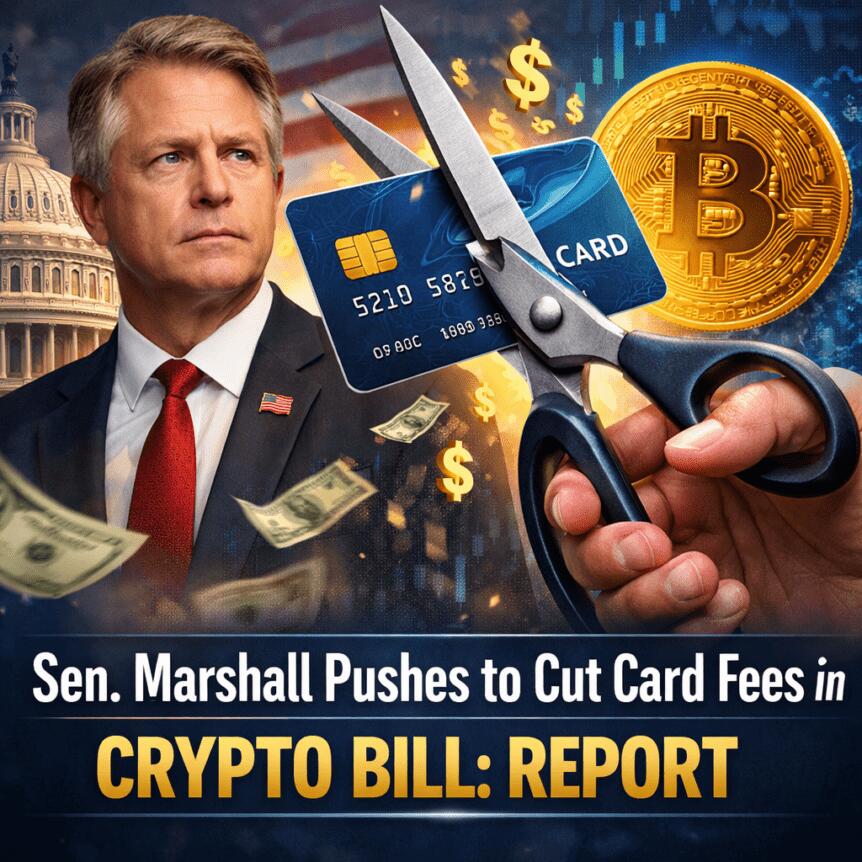
Washington — A key Senate crypto bill faced procedural headwinds as Senator Roger Marshall reportedly backed away from pushing a controversial amendment on swipe-fee competition. The amendment, which would have forced card networks to compete on swipe fees, was filed last week but, according to Politico, Marshall privately agreed not to press it during the Agriculture Committee’s markup next week. The markup was originally slated for Thursday but was moved to Tuesday, Feb. 3, after a winter storm disrupted operations across much of the country. The legislation in question sets out how regulators will police the crypto sector, a central piece in the ongoing effort to craft a national framework that balances innovation with consumer protections.
The amendment’s fate—along with the broader bill—has become a focal point in a politically charged environment. Democratic Senators Dick Durbin and Peter Welch signaled support for the concept, while some Republicans warned that tying the issue to swipe-fee policy could pit the finance industry against large retailers. The White House has been involved in discussions surrounding the markup, raising the stakes for how far lawmakers can move the bill without triggering partisan backlash. Complicating matters, lawmakers are navigating the prospect of a partial government shutdown as Democrats indicated they would not back a funding package without concessions from Republicans. The timing matters: with midterm elections approaching, both parties are keen to demonstrate policy progress while avoiding ideological deadlock.
The debate over the amendment sits within a broader trajectory for the crypto market-structure bill, which is meant to define how regulators will oversee digital-asset markets. In parallel, practitioners and policymakers have been weighing ethics and conflicts-of-interest provisions, along with potential restrictions on stablecoins. The Agriculture Committee has been coordinating with the Senate Banking Committee to align language, reflecting a desire to secure bipartisan support while preserving core policy priorities. As the political calculus shifts with public polling showing Democrats leading in several contests, the path to passage hinges on securing enough cross-cutting votes to move the measure forward despite adversarial dynamics.
Underlying the procedural drama is a larger question about regulatory clarity for crypto participants, from developers building open-source software to exchanges and lenders navigating compliance obligations. The White House’s involvement underscores the administration’s interest in delivering a coherent framework, even if it requires compromises that temper some stricter provisions. The prospect of a government shutdown—an outcome that would further complicate regulatory timelines—adds urgency for lawmakers to demonstrate tangible progress, even as they weigh delicate trade-offs between risk, consumer protection, and industry growth. The broader political environment—encompassing midterm dynamics, public sentiment, and the evolving policy toolkit around digital assets—continues to shape how aggressively the bill moves through committee stages.
The markup, once anticipated as a straightforward step in a complex legislative process, is now a litmus test for how effectively policymakers can reconcile divergent viewpoints on crypto regulation. The evolving discussion touches on a spectrum of themes—from ethics and governance to the practicalities of enforcing rules on a fast-moving sector. As legislators deliberate, industry participants and observers watch for signals about where red lines will be drawn, what kind of guardrails will be imposed, and how aggressively regulators will police market conduct in the digital-asset space.
Why it matters
For users and investors, the progression of this bill signals the pace and direction of regulatory clarity for crypto markets. A framework that strikes a balance between innovation and oversight can reduce uncertainty for token projects, exchanges, and infrastructure providers, potentially influencing funding, hiring, and product development cycles. Conversely, a stalemate or protracted negotiations could prolong regulatory ambiguity, impacting liquidity and risk appetite in the short term.
For builders and entrepreneurs, the crypto bill’s treatment of ethics, conflicts of interest, and stablecoins will shape compliance requirements and product design. Clear guardrails may encourage responsible experimentation while deterring practices that regulators deem risky or opaque. In practical terms, developers of crypto software and financial services platforms will be watching how the final language translates into engineering controls, reporting obligations, and governance standards. The political dynamics—particularly the interplay between the White House, Democratic authors, and Republican skeptics—will determine how ambitious the final policy framework becomes and how quickly it can be implemented.
From a market-structure perspective, the episode illustrates the ongoing tug-of-war between advocates for rapid, innovation-friendly regulation and factions seeking stronger consumer protections or tighter financial controls. Even as Democrats push to advance a bill that codifies regulatory authority, the presence of partisan headwinds and external events, such as weather-related delays and potential funding gaps, can influence the tempo and outcome of negotiations. In this climate, stakeholders—including exchanges, wallet providers, and users who rely on transparent policy—will be attentive to signals about what a final framework might look like and how enforcement priorities will be set in the months ahead.
What to watch next
- Whether the Feb. 3 markup proceeds as scheduled or faces further postponement due to procedural or weather-related issues.
- Any new amendments proposed by either side and how the White House’s involvement shapes concessions or redlines.
- Updates from the Banking Committee on its own markup timeline and how it aligns with Agriculture’s schedule.
- Clarifications on ethics, conflicts-of-interest language, and stablecoin provisions as the bill moves through committees.
- Public signals and statements from lawmakers following the markup, including any shifts in bipartisan support or opposition.
Sources & verification
- Politico report on Marshall’s credit-card amendment and the private agreement not to press it during markup.
- Cointelegraph update noting the delay of the Agriculture Committee markup due to a winter storm.
- Analysis outlining what the Clarity Act aims to clarify in crypto markets.
- Coverage of White House involvement in markup discussions and related governance questions.
- Context on broader regulatory considerations, ethics provisions, and stablecoin restrictions tied to the crypto bill.
Market reaction and key details
Key figures and next steps
The Agriculture Committee’s markup process continues to be a focal point for policymakers navigating a complex regulatory landscape. While Marshall’s decision to pause the swipe-fee amendment reduces a potential flashpoint, the broader debate over how to regulate crypto markets remains unresolved. The White House’s push to advance the legislation—paired with ongoing discussions about budget and funding—adds a layer of urgency to reach a bipartisan agreement. Investors and industry participants will be watching closely for indications of how the final language will treat market conduct, governance requirements, and the role of stablecoins in the regulatory mix.
Rewritten Article Body: Senate crypto regulation and the politics of markup
In the capital’s quiet corridors, the push to codify a regulatory framework for digital assets is colliding with competing political incentives. The centerpiece remains a market-structure bill designed to set guardrails for who oversees crypto trading, how compliance is enforced, and what protections are in place for users. This week’s developments centered on a controversial amendment proposed by Senator Roger Marshall that would have forced networks to compete on swipe fees. While the amendment’s language was crafted to address consumer and merchant costs in the card-processing ecosystem, the political optics of linking financial services policy to retail competition raised scrutiny from several quarters.
According to multiple sources, including Politico, Marshall elected not to press the amendment during the upcoming markup after privately signaling his intention to drop the provision. That decision, while not final proof of a broader strategic retreat, has the potential to reduce a flashpoint that could complicate coalition-building on a bill that has both ardent supporters and wary opponents. The Agriculture Committee had planned to meet on Thursday, but weather-related disruptions prompted a postponement to Tuesday, Feb. 3. The shift underscores how procedural timing can influence the trajectory of a policy measure that seeks to harmonize innovation with oversight.
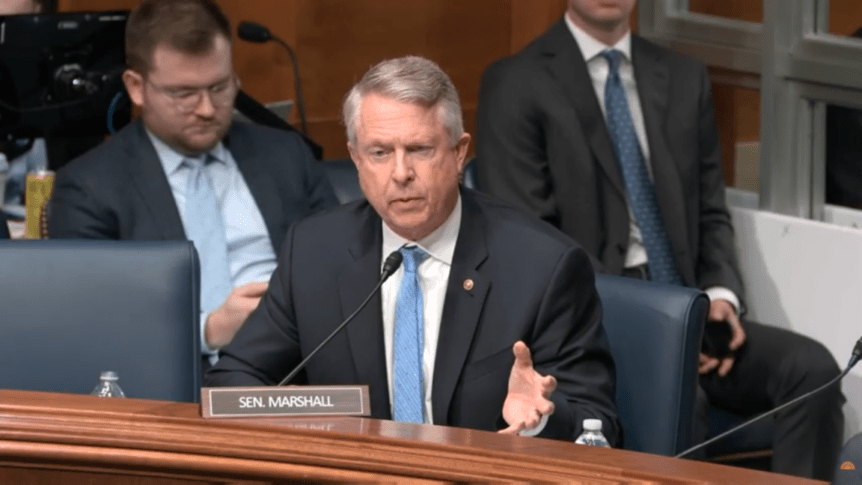
Beyond the swipe-fee debate, the bill’s fate is being weighed against other contentious topics, including ethics guidelines and conflicts-of-interest safeguards, as well as proposed restrictions on stablecoins. Democratic senators have signaled support for certain structural elements, while Republican colleagues have pressed for a more limited regulatory footprint to avoid stifling innovation and competitiveness in a fast-evolving space. The White House’s active involvement in the markup process indicates a preference for advancing a bill with clear guardrails, even if some provisions are negotiated down in the interest of bipartisan passage. The political context—rife with midterm pressures and electoral calculations—adds another dimension to how aggressively lawmakers move on crypto policy this cycle.
As discussions unfold, lawmakers are mindful of timing. A potential government shutdown would complicate regulatory enforcement if enacted legislation were to require implementation or funding decisions in a tight window. At the same time, market dynamics—ranging from liquidity to risk sentiment—are sensitive to policy signals that emerge from committees and leadership within both this chamber and the Senate’s broader apparatus. The interplay between the Agriculture and Banking committees continues to shape the final contours of regulatory oversight, with stakeholders across the industry watching for compatibility between the bill’s aims and practical considerations for compliance and innovation.
This article was originally published as Sen. Marshall Pushes to Cut Card Fees in Crypto Bill: Report on Crypto Breaking News – your trusted source for crypto news, Bitcoin news, and blockchain updates.


You May Also Like

Big Tech firms back new x402 Foundation to advance agentic AI adoption

Stunning 96% Surge And 50% Plunge Define Volatile Market Session