

Strategic Scaling: Mastering Modern Web Delivery with React and Software Outsourcing
In 2026, the digital interface is no longer just a “front door” for your business; it is the primary engine of customer retention and brand authority. As user expectations for instantaneous, app-like web experiences reach an all-time high, the technical debt of legacy systems is becoming a critical business risk. To bridge this gap, engineering leaders are increasingly turning to a powerful combination: specialized react development services delivered through high-performance software outsourcing models.
The Dominance of React in the Enterprise
React remains the cornerstone of modern web development for a reason. Its component-based architecture and Virtual DOM efficiency allow developers to build complex, data-heavy interfaces that stay responsive under load. However, the true value of React in 2026 lies in its ability to support “Intelligent UIs”—interfaces that integrate real-time data, AI-driven personalization, and seamless cross-platform performance via React Native.
For an enterprise, choosing the right framework is only half the battle. The real challenge is finding the talent capable of implementing the advanced patterns required for modern scaling, such as Server Components and the new React Compiler optimizations.
Why Software Outsourcing is No Longer Just About Cost
Historically, software outsourcing was seen as a cost-cutting measure. In the current landscape, it has evolved into a “Talent Access Strategy.” The global shortage of senior engineering talent has made local hiring a 6-month endeavor that most product roadmaps cannot afford.
By partnering with a nearshore leader like Jalasoft, companies gain immediate access to the top 2% of engineering talent. This model provides three distinct advantages over traditional hiring:
- Zero Onboarding Friction: Specialized teams arrive with a deep mastery of the React ecosystem and pre-established agile workflows.
- Time-Zone Alignment: Unlike offshore models, nearshore outsourcing ensures real-time collaboration, which is essential for the rapid iteration cycles of front-end development.
- Elasticity: As project scopes fluctuate, an outsourcing partner allows you to scale up for a major release and scale down for maintenance without the HR burden of layoffs or new hires.
Maximizing ROI with React Development Services
When you engage professional react development services, you aren’t just buying “code”; you are investing in a future-proof architecture. Elite outsourcing teams focus on:
- Modular Component Libraries: Creating a single source of truth for your UI that ensures brand consistency across multiple products.
- Performance Optimization: Utilizing code-splitting, lazy loading, and efficient state management (via Redux or Context API) to ensure lightning-fast Core Web Vitals.
- SEO & Accessibility: Leveraging Server-Side Rendering (SSR) through Next.js to ensure your high-performance web app is easily indexable by search engines and accessible to all users.
The Synergy of Nearshore Collaboration
The successful integration of an outsourced team depends on more than just technical skill—it requires cultural and linguistic alignment. This is where the Jalasoft model excels. By providing “Athletes” who are not only master coders but also expert communicators, the friction of software outsourcing is eliminated.
Instead of managing a “vendor,” you are gaining an extension of your own engineering culture. This synergy is what allows for the development of mission-critical applications—from complex FinTech dashboards to high-traffic E-commerce platforms—at a pace that local-only teams simply cannot match.
Conclusion: Turning Engineering into a Competitive Advantage
In 2026, the ability to pivot your product at the speed of the market is the ultimate competitive edge. By leveraging the technical precision of react development services and the strategic agility of software outsourcing, you remove the talent bottleneck from your growth equation.
The question for CTOs is no longer “should we outsource?” but rather “how fast can we integrate the right talent to secure our market position?” The future of web development is modular, intelligent, and distributed—and the teams that embrace this shift today will be the ones defining the digital standards of tomorrow.


You May Also Like
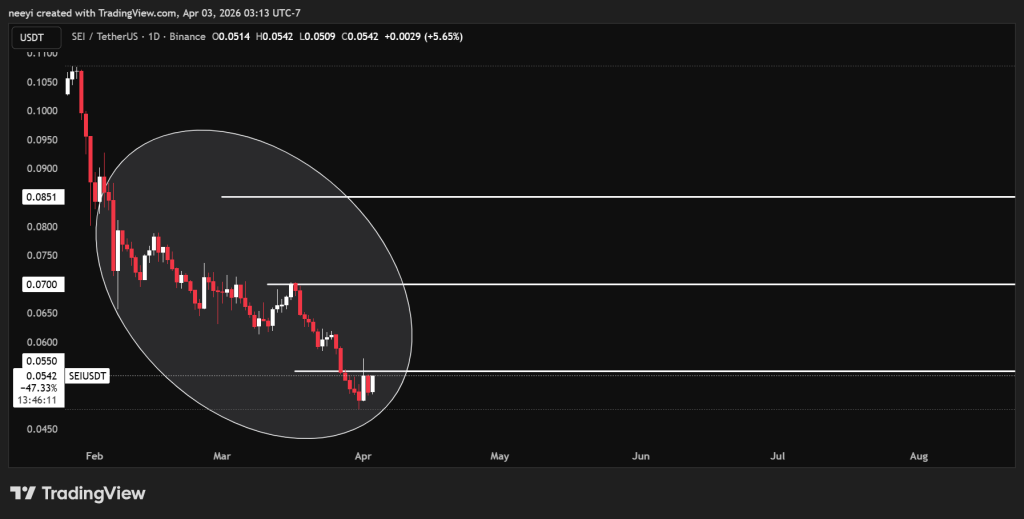
SEI Price Continues Lower: Can the Giga Upgrade Trigger a Full Reversal?

Bitcoin ETFs Surge with 20,685 BTC Inflows, Marking Strongest Week




