

2014 vs. 2026: Is Bitcoin Repeating Its Darkest Bear Market History?
Bitcoin’s current bear market is ahead of previous cycles in performance, but analysts caution that a deeper decline may still occur later in 2026.
Bitcoin Tracking Above Previous Bear Cycles
Bitcoin has fallen 32% from its all-time high of over $126,000, which was reached in early October, 2025. In earlier cycles, losses at this stage were larger, ranging from 43% to 66%. This shows that the current cycle has been less severe so far compared to 2014, 2018, and 2022.
However, this stronger position may not hold. Past cycles also saw periods of stability before a steep fall near the end. CryptoCon, a market analyst, compared past cycles and noted that they tend to follow different paths early on, but later align just before reaching their final lows.
Based on this pattern, the chart shows a potential convergence point in September 2026, where Bitcoin’s price is expected to reach $35,000. This is the level where past cycles began their final drop. CryptoCon stated that “only the final drop really seems to matter,” pointing to this moment as a critical stage in the bear market.
If this cycle continues to follow previous ones, Bitcoin could reach a low between $28,000 and $17,000 between October and November 2026. The timing also aligns with the Halving Cycles Theory, which forecasts a bottom between November 2026 and January 2027.
Recent Price Action and Market Volatility
At press time, BTC trades around $88,000 with a daily trading volume of over $49 billion. Over the past 24 hours, the price fell by 1.5%, and over the past week, it declined by almost 2.5% (per CoinGecko’s data).
Yesterday saw heightened volatility. BTC crossed $90,000 twice but pulled back quickly. After the Federal Reserve’s rate decision, Bitcoin held above $89,000. However, the move triggered widespread liquidations. More than 120,000 traders were forced out of positions, with combined losses of around $350 million.
Analysts Point to Conflicting Signals
Some market watchers expect a correction soon.
Others are focused on long-term data. Kapoor Kshitiz noted that Binance Reserve Cost has moved to $62,000, a level that has acted as a bottom during past bear phases. Bitcoin has not yet revisited this level since ETF approval.
On-chain data shows the share of BTC held at a loss is starting to rise again. This trend appeared early in bear markets in 2014, 2018, and 2022. While this does not confirm a final bottom, it may show the early stages of a longer downturn.
At the same time, long-term holders have shifted back to accumulation. CryptosRus said, “This looks less like a top… and more like consolidation before continuation.” Realized Cap has also reached new highs, suggesting a steady inflow of capital.
The post 2014 vs. 2026: Is Bitcoin Repeating Its Darkest Bear Market History? appeared first on CryptoPotato.


You May Also Like

Target (TGT) Stock Surges After Wolfe Research Elevates Rating to Outperform
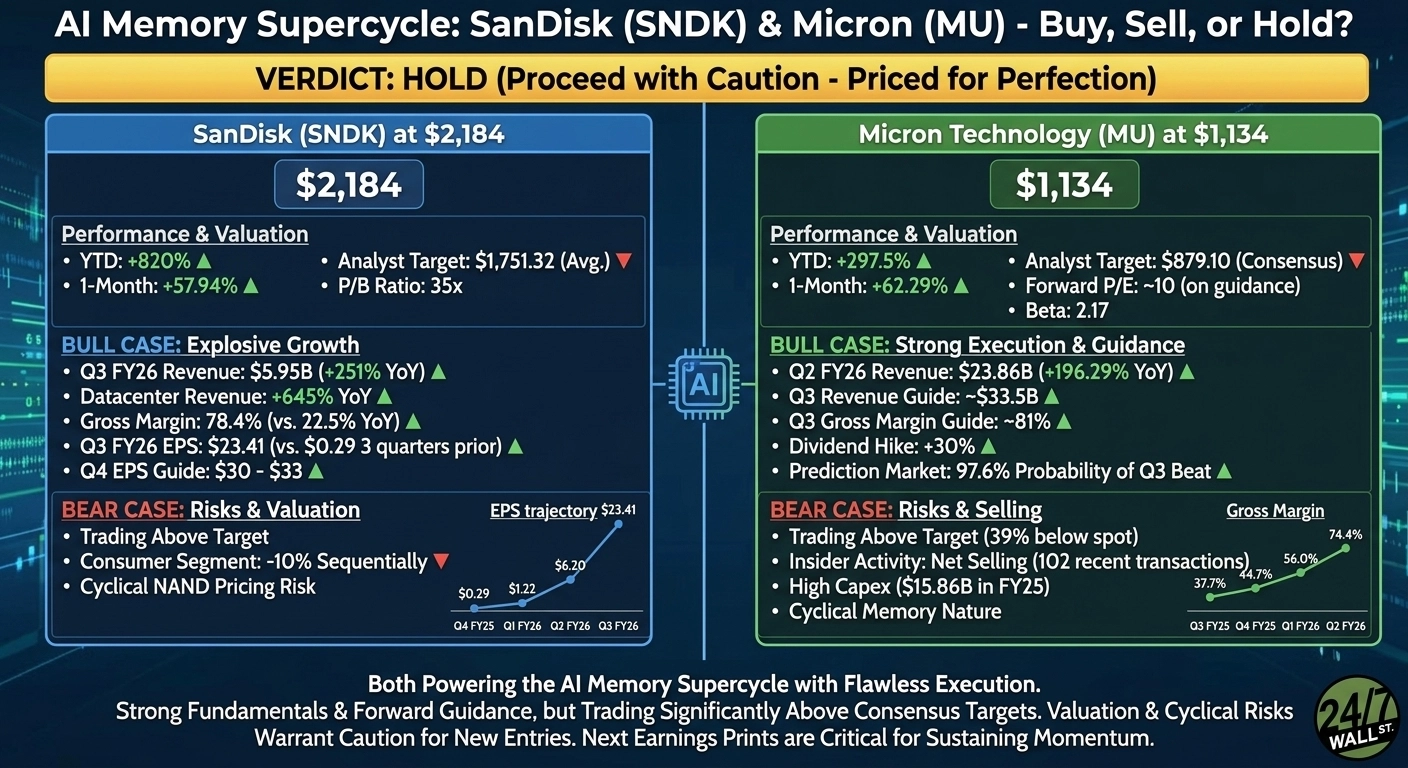
Buy, Sell, or Hold: SanDisk at $2,184 and Micron at $1,134

How Crypto Casinos Get Licensed in 2026: The Anjouan Route



