Ming Family Syndicate Faces Severe Punishment as China Executes 11 Members
China executed 11 members of the Ming family crime ring after the Supreme People’s Court upheld their death sentences. The syndicate operated large-scale telecom fraud and gambling networks from Myanmar, handling over 10 billion yuan.
Eleven members of the notorious Ming family criminal syndicate have been executed in China following the final approval by the Supreme People’s Court. The executions came after a long judicial process that involved multiple reviews after courts found the group guilty of a number of violent and financial crimes linked to large-scale telecom fraud that operated in Myanmar.
On the 29th of September 2025, the Wenzhou Intermediate People’s Court in Zhejiang Province sentenced 11 defendants including Ming Guoping, Ming Zhenzhen, Zhou Weichang, Wu Hongming, Wu Senlong, and Fu Yubin to death.
The court found them guilty of different crimes including ‘intentional homicide, intentional injury, illegal detention, fraud, and operating illegal casinos, alongside some additional supplementary penalties’.
Most of the defendants, including Ming Guoping and Ming Zhenzhen, appealed to the ruling. However, it wasn’t approved as the Zhejiang Provincial Higher People’s Court dismissed the appeals, and held on to the original verdict, submitting the case to the Supreme People’s Court for mandatory death penalty review.
Also Read: Crypto Laundering Jumps to $82 Billion as Chinese Networks Gain Control
Details of The Ming Family Operations Based in Myanmar
According to the details shared and confirmed by the Supreme People’s Court, the Ming family syndicate officially started operating in 2015, and it started establishing multiple industrial parks in Kokang, Myanmar, as well as in Shiyuanzi and Qingshuihe.
These locations were used as hubs for telecommunications and online fraud schemes. The organization then started to recruit many “financial backers,” including Wu Hongming, Luo Jianzhang, and Jiang Ji, and provided them with armed protection.
According to the court, the criminal network handled more than 10 billion yuan in fraud and other gambling-related funds. At least 14 Chinese citizens were killed, while many others suffered serious injuries.
The Supreme People’s Court described the nature of the violence as cruel, with extremely serious consequences. In the final ruling, the Supreme People’s Court stated that the defendants organized, led, and participated in criminal groups responsible for more than 10 serious offenses. The court emphasized that the intentional homicide and injury cases stood out for their severity and social harm it caused.
Also Read: Celestia (TIA) Defends Descending Channel Support Could It Push the Rally to $8?


You May Also Like

Gold Loses 15% From War Highs as Operation Epic Fury Safe Haven Trade Unwinds – Market Updates Bitcoin News
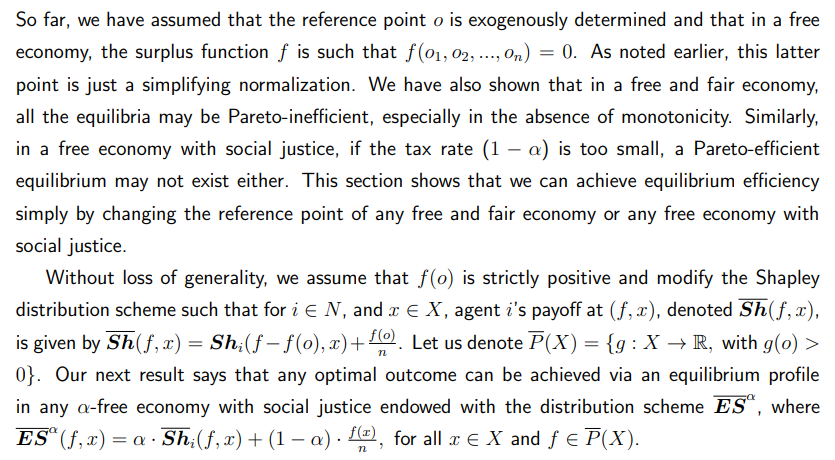
The Role of Reference Points in Achieving Equilibrium Efficiency in Fair and Socially Just Economies