

How much is $1000 dollars in bitcoin right now? A clear conversion guide
FinancePolice aims to make the steps clear and actionable: learn the USD ÷ BTC price formula, pick a reliable price source, review platform fees and spreads, and use a short checklist before you place an order. Use these steps as a decision framework rather than a promise of a result.
The article assumes you want a practical, self-contained walkthrough. It points to primary documentation for live prices and fee pages so you can verify details before you transact.
Quick answer: how to calculate what $1,000 buys in bitcoin
Use the simple formula: USD ÷ BTC price = BTC units. For example, take the dollar amount you plan to spend and divide it by the current bitcoin price from a live feed to get the BTC units you would expect before fees, and this approach works across sources including price aggregators and exchange tickers, which the cyber currency market relies on for quotes CoinGecko API documentation
That quoted BTC number is only the starting point. Exchanges and brokers commonly apply explicit fees, spreads, or execution markups, and network transfer costs can further reduce the BTC you actually get when the order settles Coinbase pricing and fees
Divide $1,000 by the live BTC price to get a starting BTC amount, then account for platform fees, spreads, and network costs to estimate the actual BTC you will receive.
Before you click buy, check the live quote timestamp, the platform’s fee page, and whether the platform will hold or transfer coins immediately. These checks help you understand why the numeric answer to “how much is $1,000 in bitcoin” may differ from initial quotes.
Why prices in the cyber currency market can differ by source
Different services display different bitcoin prices because they use different raw data and combine it differently. Aggregated indexes pull prices from many exchanges and may weight or average those prices, while single-exchange tickers show what that marketplace quoted at a moment in time. These methodological choices change the number you plug into USD ÷ BTC price = BTC units CoinDesk BPI methodology

Two price feeds can differ for simple reasons: they sample different exchanges, they use different weighting rules, or they publish quotes at slightly different times. Even small timestamp gaps matter when markets move fast, because a later quote can reflect short-term volatility that the earlier quote did not.
For someone doing a manual USD to BTC conversion, that means the same calculation (USD ÷ price) can give different BTC units depending on which source you used for the denominator. When precise amounts matter, use the same source the platform uses or rely on that platform’s live quote directly.
Where to get live bitcoin prices: indexes, aggregators, and APIs
Trusted aggregators and indexes publish methods and APIs so you can see where their price comes from and when it was recorded. Common, reputable sources include CoinDesk’s BPI, CoinGecko’s API, and CoinMarketCap, each of which documents how they collect and present price data CoinGecko API documentation
When you read an API response, look for three fields in the quote: the rate or price field, the quote symbol or market pair, and a timestamp. Those three pieces tell you the numeric price to use in the USD to BTC conversion, the market the price refers to, and how recent the value is.
Advertise with FinancePolice, see options and audience reach
Check the source and timestamp of any live price before you use it to convert dollars to bitcoin, and prefer documented APIs or indexes that publish methodology notes.
View advertise options
If you need short-term accuracy for a manual conversion, use the feed closest to your executing platform. If you are experimenting or learning the math, an aggregator’s published price gives a consistent starting point for USD to BTC conversion exercises.
How exchanges and broker platforms affect the conversion: fees and spreads
Platforms often publish explicit trading fees, but many also apply a spread or execution markup that changes the effective price you pay. The published fee schedule is the authoritative place to confirm percentage or fixed costs and to see whether maker-taker pricing or volume tiers apply Coinbase pricing and fees
Fees can be percentage-based or fixed. A percentage fee scales with your order, while a fixed fee has a larger relative impact on small buys. For retail-sized amounts like $1,000, a percentage fee or a modest spread will usually be the main source of difference between “quoted BTC” and “received BTC.”
When you examine a platform’s fee page, check both the stated fee and any language about spreads, execution markups, or minimum fees. Those details explain why two platforms showing the same nominal bitcoin price can still deliver different final BTC balances for the same dollar amount.
Slippage and order types: why the executed BTC can differ from the quote
Slippage is the gap between a quoted price and the price at which an order actually executes. It happens most with market orders, in low-liquidity windows, or for larger-than-normal orders, and exchange or API documentation usually describes how slippage can affect execution and how it is handled CoinGecko API documentation
A market order asks for immediate execution, which can move across order book levels and result in a worse average price if liquidity is thin. By contrast, a limit order sets a maximum buy price that prevents paying more than you specify, although it may not execute if the market moves away.
If you are converting $1,000 and want to limit slippage, consider a limit order at or below your target rate, or split a larger purchase into smaller parts to reduce market impact.
Worked example: calculate $1,000 at different BTC prices and show fee adjustments
Illustrative math is useful because the base formula is simple. If the illustrative BTC price is $50,000, then $1,000 ÷ $50,000 = 0.02 BTC. That number is the pre-fee, pre-network-cost result; actual received BTC will be lower after fees and any transfer charges CoinGecko API documentation
To see how fees change the final amount, apply a percentage fee to the BTC units or to the dollar amount before conversion. For example, if a platform charges a 0.5% trading fee, you could subtract 0.5% from the dollar amount before dividing, or calculate the fee on BTC after conversion and subtract it; both approaches produce the same net BTC received when done consistently.
Network fees are separate. If you plan to withdraw the bitcoin to a personal wallet, the platform may charge a withdrawal fee or the network may require miners’ fees that reduce the coin amount you receive off-exchange. Treat illustrative numbers as examples only and verify the platform’s fee page for real transactions.
Step-by-step: how to convert USD to BTC safely
Follow a short, practical procedure: choose a platform, confirm the live quote and timestamp, check the fee schedule and potential spreads, decide on an order type, place the order, and then save the order confirmation or screenshot to verify what you received.
For procedural context and a general how-to guide, reputable educational resources publish step-by-step instructions for buying bitcoin and show common post-trade checks like verifying confirmations and withdrawal options Investopedia how-to buy bitcoin and our crypto coverage
estimate received BTC after a platform percentage fee
–
BTC
quick estimate for manual checks
When placing the order, take a screenshot of the quote and the displayed fees so you can compare the executed result with what you expected. If the platform shows both a quoted price and an estimated fee or network cost, record those numbers before confirming.
After execution, confirm the BTC balance in your account and compare it with the estimated BTC from your calculation. Keeping a short audit trail helps if you need to query the platform about a discrepancy.
Checklist before you convert: the three things to verify every time
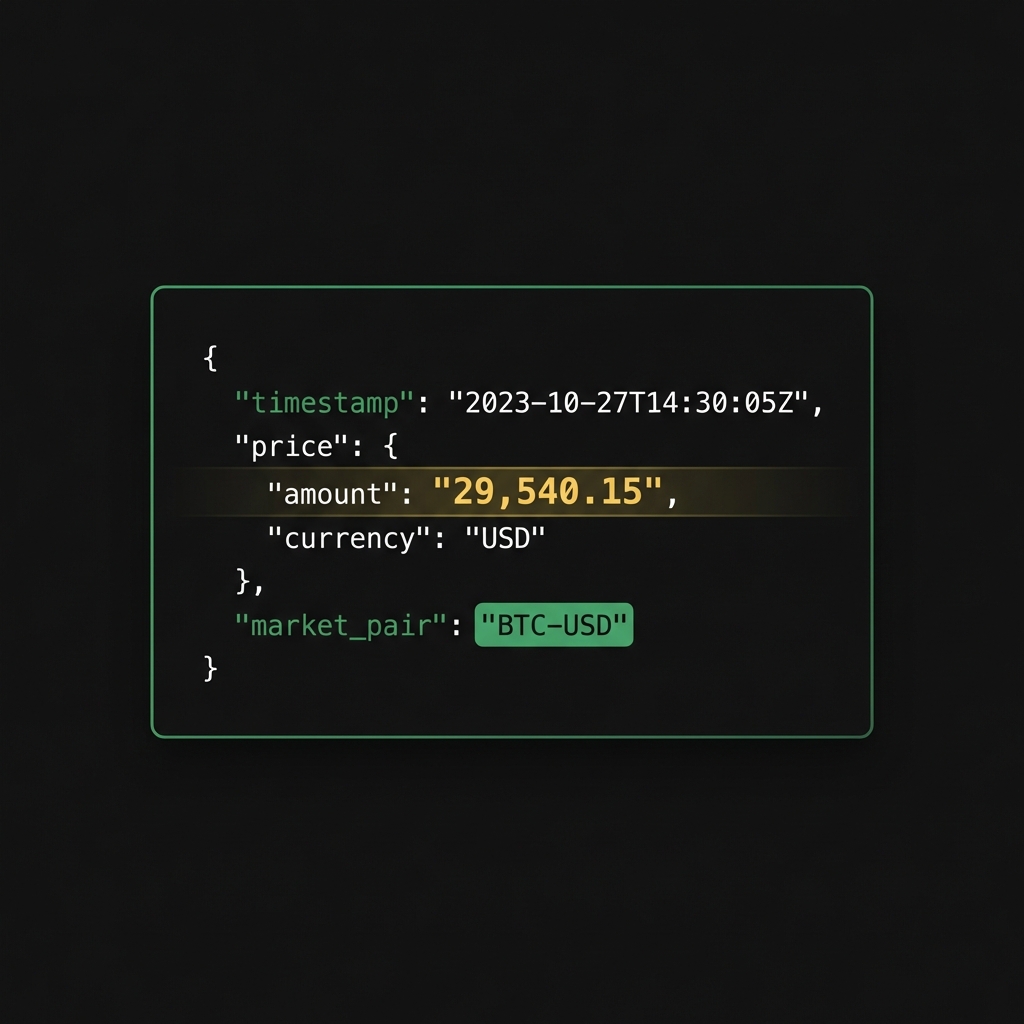
Before you confirm any buy, run this checklist: verify the live quote source and timestamp; read the exact fee schedule including any spreads or execution markups; and confirm expected network or withdrawal fees that may apply. Regulatory advisories also recommend being aware of volatility and platform terms before trading SEC investor bulletin
These three checks matter because each one directly changes the BTC you receive. The live quote sets the denominator in USD ÷ BTC price, the fee schedule reduces the net proceeds, and network or withdrawal fees may reduce the balance you take off the platform.
Save screenshots or order confirmations that include the timestamp and the fee language. That record makes it easier to reconcile the executed BTC with your pre-trade calculation if numbers do not match exactly.
On-chain transaction costs, confirmations, and settlement timing
On-chain network fees are separate from platform trading fees and are set by network conditions and miner or validator demand. Withdrawal or network fees vary and can be higher during periods of congestion; how a platform charges and displays those costs is usually described in its help or fee pages Investopedia how-to buy bitcoin
Settlement timing matters for ownership. Some platforms show a balance immediately after a trade executes but may still be settling on-chain before you can withdraw. Confirm how many confirmations a platform requires before a withdrawal completes and factor that into your plan if you need quick access to the coins.
Because network fees and confirmation counts are independent of the USD to BTC conversion math, include them when you estimate how much BTC you will ultimately hold or move to a personal wallet.
Choosing a platform in the cyber currency market: decision criteria and tradeoffs
When evaluating a platform, compare fees, spread behavior, liquidity, custody model, user interface, and regulatory status. These are core decision factors that affect both cost and convenience when you convert dollars to bitcoin Coinbase pricing and fees
Liquidity matters most for larger or programmatic orders because thin order books increase the chance of slippage. Custody choice matters for security and withdrawal rules: platforms that custody coins for you may have different withdrawal policies and fees than platforms that allow direct wallet transfers.
Think through tradeoffs. A platform with low visible fees might still apply larger spreads or slower withdrawal processes. A platform with high liquidity can execute market orders more reliably but may charge for faster service. Match the platform features to your priorities before you convert.
Common mistakes and pitfalls in the cyber currency market
Typical errors include trusting an unverified price feed, neglecting spreads, failing to check withdrawal fees, and using market orders during low-liquidity periods. These mistakes can reduce the BTC you receive or raise your transaction costs SEC investor bulletin
Instead of a market order in a thin market, consider a limit order or split your purchase into smaller amounts. Always read the platform’s fee language aloud to yourself so you do not miss a fixed minimum fee or a spread described in the fine print.
Save confirmations and use your account ledger to reconcile expected versus actual BTC. If numbers do not match, contact the platform support with your order screenshot and timestamped quote to request clarification.
Practical scenarios: small buys, large buys, and timing considerations
For small retail buys such as $50 to $1,000, percentage fees and fixed minimums tend to be the main cost drivers. For much larger buys, market impact and liquidity become the dominant concerns, and programmatic traders often use algorithmic execution to spread orders and reduce slippage CoinGecko API documentation
If you are converting about $1,000 as a retail investor, a single trade with a modest fee is often sufficient. For larger amounts, consider limit orders, splitting the buy across several blocks, or working with platforms that offer block trading or higher liquidity pools to reduce market impact. See our bitcoin price analysis for market context.
Timing also matters. Volatility can change the BTC price between the time you check a quote and the time your order executes. If timing matters, capture the timestamped quote and use limit orders to control the maximum price you are willing to pay.
Regulatory considerations and investor cautions
Regulators and investor guidance remind traders that cryptocurrencies are volatile and that platform protections vary. The SEC’s investor bulletin is a helpful reference on volatility and on the importance of verifying platform terms and disclosures before trading SEC investor bulletin
Because regulatory protections differ across jurisdictions and platforms, treat crypto purchases as variable and confirm the platform’s regulatory status and account protections where they matter to you. This is part of the same verification process that includes checking fees and live quotes.
In many cases, the right choice depends on your goals, time horizon, and risk tolerance. Use cautious language when describing likely outcomes and avoid assuming any transaction will produce a specific financial result.
Summary: what to remember when converting $1,000 to bitcoin
Remember the simple conversion: USD ÷ BTC price = BTC units, and then run the three checks before you confirm: verify the live feed and timestamp, check the platform’s fee and spread schedule, and confirm expected network or withdrawal fees Coinbase pricing and fees
Keep a short record of your pre-trade quote and the post-trade confirmation so you can reconcile numbers if needed. Use limit orders or split buys when slippage or liquidity are a concern, and treat illustrative examples as starting points rather than guarantees. Find more coverage on Finance Police.
Divide the dollar amount by the live bitcoin price (USD ÷ BTC price = BTC units). Then check fees and network costs to estimate the net BTC you will receive.
No. Exchanges may apply fees, spreads, or execution markups and there can be network or withdrawal fees, so the final BTC can be lower than the quoted amount.
Verify the live quote timestamp, read the platform's fee page, consider a limit order to avoid slippage, and save screenshots of the quote and the executed order for records.
If you are new to crypto, treat this guide as a starting point, then verify live quotes and platform fees every time you trade.
References
- https://www.coingecko.com/en/api/documentation
- https://help.coinbase.com/en/coinbase/trading-and-funding/pricing-and-fees
- https://www.coindesk.com/coindesk-bpi-methodology/
- https://www.coindesk.com/price/bitcoin
- https://developers.coindesk.com/
- https://www.coingecko.com/en/api/bitcoin
- https://www.investopedia.com/how-to-buy-bitcoin-5193958
- https://financepolice.com/advertise/
- https://financepolice.com/category/crypto/
- https://financepolice.com/bitcoin-price-analysis-btc-reclaims-92000-as-market-awaits-fed-decision/
- https://financepolice.com/
- https://www.sec.gov/oiea/investor-alerts-and-bulletins/ib_cryptocurrencies


You May Also Like

Trump’s Hormuz Ultimatum Sends Oil Past $110, Highest Since March

Iran mediators propose 45-day ceasefire amid low US-Iran resolution odds: FT




