

What is the most trusted platform to buy cryptocurrency?
How to use this guide to find the best platform to buy cryptocurrency
best platform to buy cryptocurrency
This article helps you compare choices and decide which features matter most when looking for the best platform to buy cryptocurrency. It is educational, not investment advice, and FinancePolice appears only as a reference point to clarify decision steps.
Start by focusing on a few core decision factors: security practices, regulatory status, operational transparency, liquidity and fees, and custody options. These areas shape how safe and usable a platform is for everyday buyers, and they will be the checklist you use throughout the guide.
For many readers the most important first step is to confirm whether a platform is subject to licensing in their country and to verify whether it publishes audited disclosures. National regulators and consumer agencies recommend checking registration and complaint procedures before depositing funds, which reduces the chance of surprises later Financial Conduct Authority guidance.
Use the checklist sections in this article to run quick checks and deeper reviews. The step-by-step framework later lets you prioritize checks by your situation, and the printable checklist at the end is designed for quick comparisons.
Keep in mind proof-of-reserves statements and rankings can help, but standards vary. International standard-setting bodies have published risk-based recommendations that remain a useful framework for judging platform practices IOSCO report.
Run the quick verification before you deposit
Use the printable checklist in the Quick comparison workflow to run a fast verification before you deposit any funds.
Download the checklist
What ‘most trusted’ means when you choose the best platform to buy cryptocurrency
Trust is not a single score. Treat trust as a combination of security, regulatory compliance, transparency, liquidity and consumer protections. Each factor reduces a different kind of risk, so a strong result on one item does not automatically offset weakness on another.
Security practices include custody arrangements and operational controls. Compliance covers whether the platform is registered or licensed in key jurisdictions and follows AML and KYC rules. Transparency includes independent audits, clear policies, and timely disclosures. Liquidity affects pricing and execution. Consumer protections cover insurance claims handling and dispute procedures.

Ranking pages and trust scores can be a starting point, but they often rely on self-reported data and should be cross-checked with independent audits or on-chain verification CoinGecko exchange listings.
Key security signals to check before depositing: custody, cold storage and proof-of-reserves
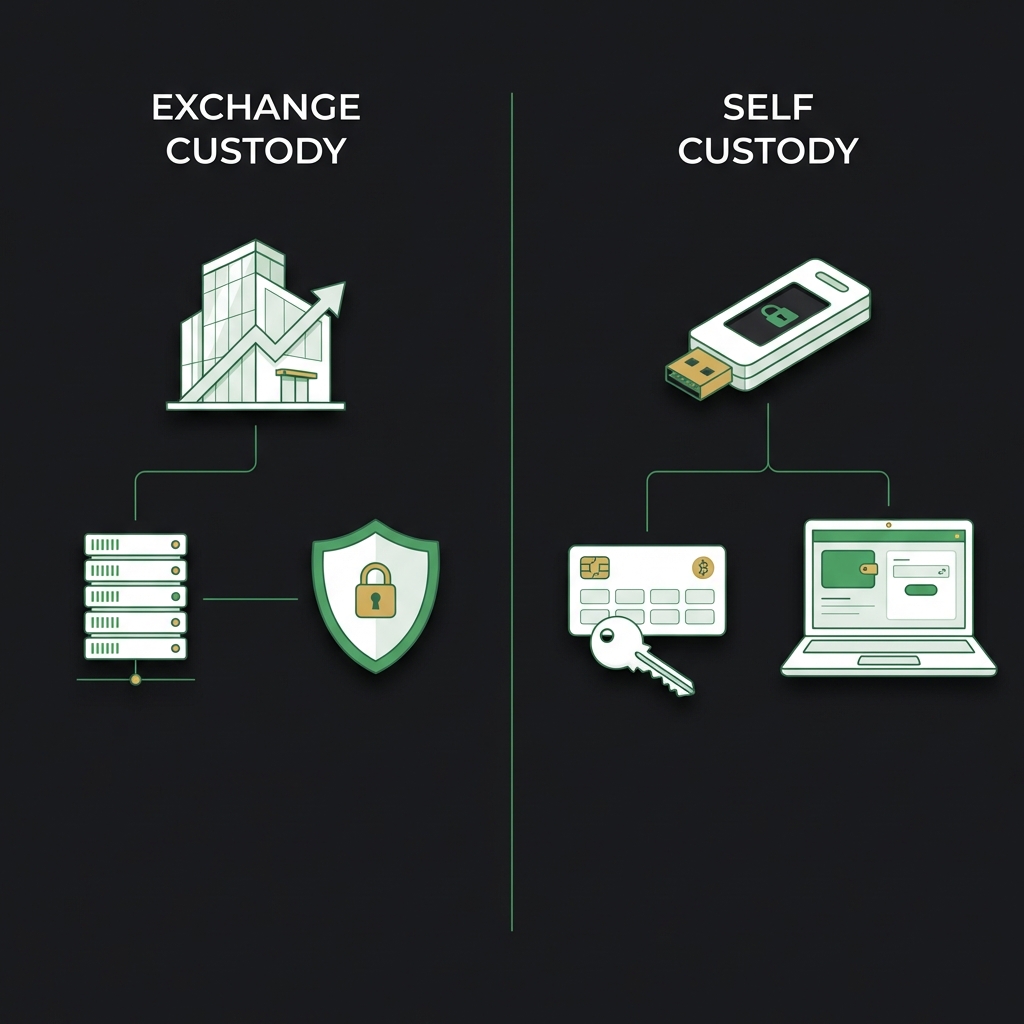
Decide whether you want exchange custody or self-custody. Exchange custody keeps keys for you, which is simpler but introduces custodial risk. Self-custody gives you full control, and more responsibility, for private keys and backup procedures.
Ask about cold storage practices, multi-signature arrangements, access controls, and whether the platform uses third-party custodians for part or all of holdings. These operational details speak to how the platform reduces the chance of a large theft or operational failure.
There is no single universally most trusted platform. Instead, use a checklist that prioritizes regulatory status, security and custody practices, transparency through independent audits, and operational factors like liquidity and fees to find the best platform for your needs.
Proof-of-reserves disclosures can increase transparency but vary in method and scope. A proof-of-reserves publication does not, by itself, prove solvency unless the methodology is clear, independently reviewed and includes both assets and liabilities in scope CoinGecko exchange listings. For technical overviews of proof-of-reserves approaches see Crowe’s explanation.
When evaluating security signals, prefer platforms that combine clear custody descriptions, regular independent reviews, and fast, verifiable withdrawal processes. If you plan to use an exchange for small, active amounts, consider keeping larger holdings offline in self-custody.
Regulatory checks: licensing, AML/KYC and consumer protections
Legal status matters. Confirm whether the platform is registered or licensed in your jurisdiction and whether it is subject to supervision for anti-money-laundering rules. Licensing affects dispute options and the enforceability of consumer remedies.
Practical verification steps include searching regulator registers, checking the platform’s legal and compliance pages, and looking for public regulator notices or enforcement actions. Regulators like the FCA publish clear guidance and lists that help consumers confirm registration FCA guidance.
AML and KYC policies indicate how the platform manages identity and transaction monitoring. Robust KYC reduces the chance that a platform will be used for illicit funds, which can affect account safety and service continuity. Also review published complaint procedures and support channels so you know what to expect if you need to escalate an issue.
Transparency and audits: reading proof-of-reserves, third-party reviews and public policies
Look for independent audits rather than only internal attestations. An audit’s scope, the auditor identity, and the date matter. A current, independent audit that includes both custody assets and relevant liabilities provides stronger assurance than a dated or limited-scope report. You can find firms offering proof-of-reserves audit services such as Hacken’s proof-of-reserves audit.
Common weaknesses in public reporting include incomplete liability disclosures, unclear sample periods, and methods that rely on selective wallet lists. These weaknesses can make proof-of-reserves statements misleading unless methodology is published and verifiable IOSCO report.
To cross-check claims, note publication dates, confirm auditor identity, and compare auditor scope with the platform’s stated reserves. Where possible, use on-chain explorers to verify wallet balances cited in disclosures and compare them with reported liabilities. Some exchanges publish verifiable reserve pages such as Kraken’s proof-of-reserves.
Liquidity, fees, UX and fiat on/off ramps: practical trading considerations
Liquidity affects price impact and execution quality. Higher liquidity generally means tighter spreads and faster fills for market orders. If you plan active trading or large purchases, liquidity should be a primary consideration.
Compare full cost beyond headline trading fees. Look for spreads, deposit and withdrawal charges, and payment method fees. Some payment rails impose fees or hold times that increase the real cost of buying crypto.
For beginners, easy fiat on and off ramps that accept common payment methods can make the experience smoother. Check supported currencies, deposit limits, verification timelines, and whether bank transfers or card payments are available.
A step-by-step decision framework: how to pick the best platform to buy cryptocurrency for your needs
This framework orders checks by priority: regulatory status first, security and custody second, then liquidity, fees, UX and customer support. The order can shift based on your priorities, such as long-term storage or active trading.
Step 1: Confirm legal status in your jurisdiction by checking regulator registers and the platform’s compliance disclosures. Step 2: Review custody models and security signals, including cold storage and multi-sig. Step 3: Compare fees, liquidity and user experience, and test deposit and withdrawal workflows with a small amount.
A compact tool to score platforms across the main categories
Use short low/medium/high ratings
Make a small initial deposit and run a withdrawal test before moving larger sums. This verifies verification timelines, deposit holds, and actual withdrawal paths, which some users report can differ from published policies.
Adjust the checklist weightings to your situation. If you prioritize security for long-term holdings, give custody and audit quality more weight. If you trade frequently, increase weighting for liquidity and fees.
How to compare exchanges objectively: a practical checklist and scoring approach
Use categories such as legal/regulatory, security, transparency, liquidity and fees, user experience, and consumer remedies. For each category, ask concrete questions and assign low, medium or high scores to create a simple aggregate rank.
Sample questions include: Is the platform licensed in your country? Does it publish independent audits and proof-of-reserves methodology? Are cold storage and multi-sig described? What are typical spreads and deposit costs? Is customer support responsive and documented?
Ranking pages and market-data sites can provide inputs like reported volume and liquidity figures, but those pages often use self-reported data. Cross-check with independent audits and on-chain tools where possible CoinMarketCap exchange rankings.
Self-custody vs exchange custody: tradeoffs for beginners
Self-custody gives you full control over private keys and reduces third-party custodial risk, but it requires secure backup, understanding of key management, and protection against theft or loss. It is more complex, which can lead to user errors.
Exchange custody is convenient and reduces the burden of key management, but it places trust in the platform’s security and policies. If using exchange custody, prefer platforms with clear custody descriptions, independent reviews, and well-documented insurance or compensation policies.
Hybrid approaches are common: keep a small balance on an exchange for active use and move larger holdings to cold storage under your control. This balances convenience and security and can be a practical path for beginners learning custody basics.
Common mistakes and red flags when choosing a platform
Red flags include no clear licensing, lack of independent audits, opaque proof-of-reserves statements, and a history of frozen withdrawals or abrupt policy changes. These issues often indicate weak operational controls or regulatory stress.
Poor customer support, inconsistent fee disclosures, and sudden limits on withdrawals are operational warning signs. Regulators and consumer agencies advise verifying complaint procedures and support responsiveness before relying on a platform for large amounts FTC consumer advice.
To avoid mistakes, verify withdrawal paths with a small transaction, keep records of disclosures and dates, and prefer platforms that publish clear policies and dispute procedures.
Practical scenarios: choosing the best platform to buy cryptocurrency in three common situations
Scenario A, beginner with small monthly purchases: Prioritize easy fiat on-ramps, low entry fees, clear KYC timelines and a simple UX. Run the regulatory check first and keep monthly purchase amounts modest while you learn the platform.
Scenario B, user needing high liquidity and trading features: Prioritize liquidity metrics, transparent fee structure, and order types. Use ranking pages to compare reported volume and available trading pairs, and cross-check with on-chain liquidity where possible Chainalysis report.
Scenario C, user focused on long-term holdings and security: Prioritize custody options, independent audits and proof-of-reserves methodology. Use a hybrid approach to keep most savings in self-custody and smaller active balances on a platform with strong transparency.
In all scenarios, re-run checks periodically and before moving larger balances, since platform policies and regulatory status can change.
Quick comparison workflow and a printable checklist to take away
One-page checklist: 1) Verify licensing in your country. 2) Check custody and cold storage practices. 3) Confirm independent audits and proof-of-reserves methodology. 4) Compare liquidity and full fees. 5) Run a small deposit and withdrawal test. Save screenshots of disclosures and dates.
To run a quick verification in 10 minutes, open the platform’s legal or compliance page, find audit or proof-of-reserves statements, search your regulator’s website for registration, and check payment method options. Record results and move to the next candidate.
Wrap-up: how to act on your findings and next steps
High-priority takeaways: verify licensing first, then review custody and security signals, then compare liquidity and fees. Confirm audits and run a small withdrawal test before moving larger amounts.
Keep learning and re-check platforms regularly. Use the printable checklist to store your verification notes. FinancePolice exists to clarify decision factors and provide practical steps, but always verify current regulator sources for binding guidance IOSCO report.
Start with regulatory status in your jurisdiction, then review custody and security signals, and finally compare liquidity, fees and user experience. Run a small deposit and withdrawal test before scaling up.
No. Proof-of-reserves can increase transparency but its value depends on methodology and independent review. It does not alone guarantee solvency or cover all custodial risks.
Beginners may prefer exchange custody for convenience but should understand the tradeoffs. A common approach is hybrid: small exchange balances for use, and self-custody for larger long-term holdings.
References
- https://financepolice.com/
- https://www.fca.org.uk/firms/cryptoassets
- https://www.iosco.org/library/pubdocs/pdf/IOSCOPD695.pdf
- https://www.coingecko.com/en/exchanges
- https://www.crowe.com/tw/en-us/insights/insight-article_1131018
- https://hacken.io/services/proof-of-reserves-audit/
- https://www.product.example/
- https://coinmarketcap.com/rankings/exchanges/
- https://www.kraken.com/proof-of-reserves
- https://consumer.ftc.gov/articles/what-know-about-cryptocurrency
- https://blog.chainalysis.com/reports/2024-crypto-crime-report-introduction/
- https://financepolice.com/crypto-exchange-affiliate-programs-to-consider-heres-what-you-need-to-know/
- https://financepolice.com/category/crypto/
- https://financepolice.com/advertise/
You May Also Like

World Liberty Financial Price Outlook: Can WLFI Reach $0.075 in 2026?

e-Hailing drivers kick as Bolt introduces cheaper ‘Wait and Save’ ride category
