

How much money do I need to open an index fund? — How to start an index fund
FinancePolice guides readers through the key differences between ETFs and mutual funds, how broker features like fractional shares affect your options, and the simple checklist you can use to compare fund minimums and fees before you buy.
Quick answer and definition: what it means to open an index fund position
The direct answer: how to start an index fund depends mainly on the product you choose (ETF or mutual fund) and your broker’s policies rather than a single industry minimum, and retirement account rules affect tax treatment but do not automatically remove product minimums SEC mutual funds page.
Advertise with FinancePolice to reach readers looking for personal finance guidance
Check the checklist below and verify your broker's minimums and fractional-share policies before funding an account.
Contact us about advertising
In plain terms, an “index fund position” means the actual holding you buy to track an index. That can be a mutual fund share class with a stated initial purchase minimum, or an ETF share that trades like a stock. Different vehicles behave differently when you open the first position, which is why your starting cash needs vary Vanguard how to buy funds.
Why people ask ‘how much money do I need’ – common motivations and constraints
People ask this question for simple reasons: they want to move spare cash into the market, roll savings into an IRA, or begin regular investing with small balances. The practical constraints are usually the product minimums that mutual funds set, the share price for ETFs, and whether a broker offers fractional shares.
Many brokers expanded fractional-share programs and commission-free ETF trading in the 2024 to 2026 period, which changed the calculus for low-balance investors and made small starts more common Charles Schwab fractional shares explained. For broker comparisons, see NerdWallet’s broker list.

Core, step-by-step framework: how to start an index fund
Step 1: decide whether you want an ETF or a mutual fund. ETFs trade like stocks and can be bought share by share or fractionally if your broker offers that feature; mutual funds often have stated initial purchase minimums that a provider sets in the prospectus SEC mutual funds page.
Step 2: choose a broker and check account-level rules. Look up whether the broker offers fractional-share trading, whether it charges commissions or platform fees, and whether it enforces account minimums or maintenance charges. Also verify IRA-specific account opening rules if you plan to use a retirement account Vanguard how to buy funds.
The amount depends on product type and broker policies: ETFs (or fractional shares) often let you start with small sums, while many mutual funds commonly require initial purchases in the low thousands; always verify the fund prospectus and your broker's rules.
Step 3: pick the exact index fund and confirm fees and minimums in the fund prospectus. For mutual funds, find the initial purchase minimum and share-class details; for ETFs, note the current share price and whether your broker supports fractional shares for that ETF Fidelity mutual fund minimums.
Step 4: fund the account and place your order. For ETFs you can place a market or limit order like any stock; for mutual funds you often place a buy through the broker’s fund interface and may need to meet the provider’s initial purchase amount. Keep records of prospectus pages and broker disclosures you used to decide Vanguard how to buy funds.
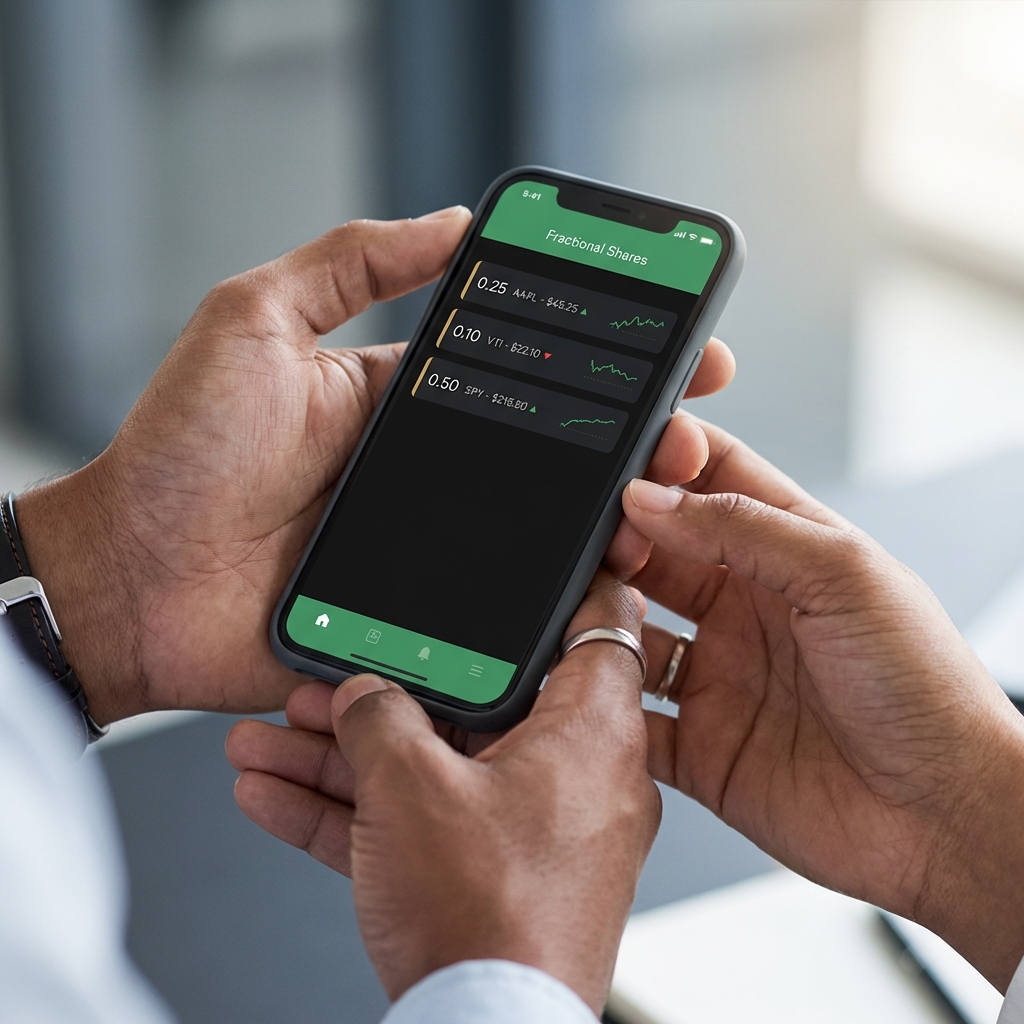
ETFs are typically the more accessible path for small balances because they trade on an exchange, so the practical minimum is the price of one share unless your broker offers fractional shares. That means you can begin index exposure at the cost of a share or a fraction of a share where available Charles Schwab fractional shares explained. See a broker comparison at StockBrokers.
Mutual funds often set initial purchase minimums for retail share classes, and many common retail minimums fall in the low thousands. Some fund families let you waive or lower a minimum through automatic investment plans or by selecting a different share class, but you must check the prospectus for those specifics Fidelity mutual fund minimums.
Mutual fund minimums: typical ranges and what to check in the prospectus
Typical retail mutual fund initial minimums commonly range around $1,000 to $3,000 for many share classes. That range reflects standard retail share-class policies at many providers and is the reason some small-balance investors choose ETFs instead Fidelity mutual fund minimums.
Some institutional or lower-cost share classes require much higher minimums, commonly $10,000 or more, and these options are aimed at larger accounts or retirement-plan recordkeepers. The prospectus will list the initial purchase minimum for each share class and any conditions for lower thresholds SEC mutual funds page.
ETFs and fractional shares: how little you can start with
Because ETFs trade like stocks, you can often start with just the share price or a fractional share if your broker supports it. Between 2024 and 2026 many large brokers expanded fractional-share programs, making it feasible to begin index investing with very small sums where fractional trading is available Charles Schwab fractional shares explained.
Practical lower-bound examples from providers and industry guidance show that starting with around $100 is realistic at many firms when fractional shares and commission-free ETF trading are available, but you should confirm availability and any limits that apply to specific ETFs at your chosen broker Vanguard how to buy funds.
Broker features that change the practical minimum you need
The single biggest broker features to check are fractional-share availability, commission structure, and any account minimums or maintenance fees. These items can change whether a very small investment is possible or whether it becomes inefficient due to fees.
compare broker fee and fractional-share features before funding an account
Use broker help pages for exact values
Commission-free ETF trading and fractional shares are two trends that reduce the cash required to start, but they do not guarantee every ETF is fractional at every broker. Always check the broker’s fund lookup tool or help pages to confirm whether a particular ETF can be bought fractionally and whether any small-order rules apply Vanguard how to buy funds.
Account types and tax implications: taxable accounts vs IRAs
Your choice between a taxable brokerage account and an IRA affects taxes and contribution limits, but it does not automatically remove fund minimums. IRAs have annual contribution limits and special tax treatment; the minimum to buy a fund inside an IRA still depends on the broker and the fund provider’s policies SEC mutual funds page.
If you plan to open a traditional or Roth IRA, confirm both the broker’s IRA account opening rules and any fund-specific initial purchase minimums before you fund the account, since those practical checks determine whether you can place the first buy order immediately or need to meet a threshold first Vanguard how to buy funds.
Fees and expense ratios: why small starting balances make these matters
The expense ratio is an ongoing percentage cost charged by a fund and is a primary driver of long-term costs. For small starting balances expense ratios still matter because they compound over time and can materially affect net returns; compare a fund’s expense ratio in the prospectus before you buy FINRA mutual funds guide.
Account-level fees and transaction charges can make very small investments inefficient. Commission-free ETF trading reduces that friction, but verify whether any account maintenance, transfer, or inactivity fees could reduce the value of small or infrequent contributions SEC mutual funds page.
Practical starter amounts and sample budgets you can use today
Starter plan A: under $100. If your broker offers fractional-share ETF trading and commission-free trades, you can often establish index exposure with under $100 by buying fractional shares of a low-cost ETF. Confirm fractional availability for the specific ETF before relying on this path Charles Schwab fractional shares explained. See our roundup of best micro-investment apps and comparison guides such as Bankrate’s guide.
Starter plan B: $100 to $1,000. With $100 to $1,000 you can buy full shares of many ETFs or build a small diversified basket of fractional ETF holdings. Some mutual fund providers waive lower minimums or accept automatic investments that reduce initial thresholds, but check each prospectus and provider page to be sure Vanguard how to buy funds.
Starter plan C: over $1,000. At $1,000 and above many retail mutual fund initial minimums become accessible and you gain more flexibility in selecting share classes. Larger balances also make expense-ratio differences more meaningful when comparing funds Fidelity mutual fund minimums.
Decision checklist: what to compare before you open an account
Use this compact checklist before you fund an account: 1) product type (ETF or mutual fund); 2) fund initial minimum; 3) fractional-share availability; 4) expense ratio; 5) broker commissions and account fees; 6) IRA rules if applicable; 7) order types for ETFs (market vs limit).
Confirm each checklist item directly in the fund prospectus and the broker’s help pages. If a one-time minimum is hard to meet, consider small recurring contributions or an ETF route that accepts fractions as a practical workaround Vanguard how to buy funds or review our investing category.
Common mistakes and traps to avoid when starting small
Avoid these frequent errors: assuming every ETF is available fractionally, ignoring expense ratios and account fees, and failing to check share-class minimums in the prospectus. Those oversights can make a small investment less efficient than expected Fidelity mutual fund minimums.
Corrective actions include reading the prospectus for any fund you plan to buy, using broker lookup tools for fractional availability, and calculating the impact of fees on small sums before you place an order. Keep expectations measured and avoid promises about returns.
Concrete examples and short scenarios: three realistic starter cases
Scenario 1: spare-change investor with $50 to $100. If your broker supports fractional-share ETF trading you can buy a fractional share of an ETF to get immediate index exposure; verify the ETF is supported fractionally at your broker before funding the account Charles Schwab fractional shares explained.
Scenario 2: saver with $1,000 ready to invest. With about $1,000 you can often meet retail mutual fund minimums and certainly buy multiple full ETF shares. This amount opens more share-class choices and makes it easier to compare expense-ratio differences across funds Fidelity mutual fund minimums.
Scenario 3: opening an IRA with a limited balance. When opening a Roth or traditional IRA, remember contribution limits apply for the year but the first purchase inside the IRA still follows fund and broker minimums. Check both the broker’s IRA rules and the fund prospectus before making the first buy SEC mutual funds page.
Primary sources to confirm before you buy: the fund prospectus for initial purchase minimums and expense ratios, the broker’s help pages for fractional-share and fee policies, and SEC or FINRA investor education pages for background on fund types and fees FINRA mutual funds guide.
Final takeaway: the practical starting amount for an index fund position depends on the product and the broker. ETFs and fractional shares often enable very small starts, while many mutual funds commonly require initial purchases in the low thousands. Verify fees and minimums before funding an account and use automatic contributions if a one-time minimum is a barrier. Find related guides on Finance Police.
Yes, if your broker offers fractional-share trading for ETFs and commission-free trades, many investors can begin with under $100, but verify fractional availability for the exact ETF at your broker.
No, IRAs change tax treatment and have contribution limits, but fund and broker policies still determine initial purchase minimums inside an IRA.
Check the fund's expense ratio in the prospectus, any broker commissions or account maintenance fees, and whether the broker charges transfer or inactivity fees.
FinancePolice offers clear, practical explanations to help you compare options; use this guide as a starting point and confirm specifics with primary sources or a tax professional if needed.
References
- https://www.investor.gov/introduction-investing/investing-basics/investment-products/mutual-funds
- https://investor.vanguard.com/investing/how-to-buy-funds
- https://www.schwab.com/resource-center/insights/content/fractional-shares-explained
- https://www.fidelity.com/learning-center/investing-products/mutual-funds/mutual-fund-minimums
- https://www.finra.org/investors/learn-to-invest/types-investments/mutual-funds
- https://financepolice.com/advertise/
- https://www.nerdwallet.com/investing/best/best-brokers-for-fractional-shares
- https://www.stockbrokers.com/guides/fractional-shares-brokers
- https://financepolice.com/best-micro-investment-apps/
- https://www.bankrate.com/investing/best-brokers-fractional-share-investing/
- https://financepolice.com/category/investing/
- https://financepolice.com/


You May Also Like

Bitcoin, Gold, and U.S. Stocks Dive as Trump Pledges to Hit Iran ‘Extremely Hard’

Goldman Sachs Reveals Which Stocks Hedge Funds Are Quietly Selling Right Now

GlobalFoundries (GFS) Stock Breaks 52-Week High After $375M Government Grant



