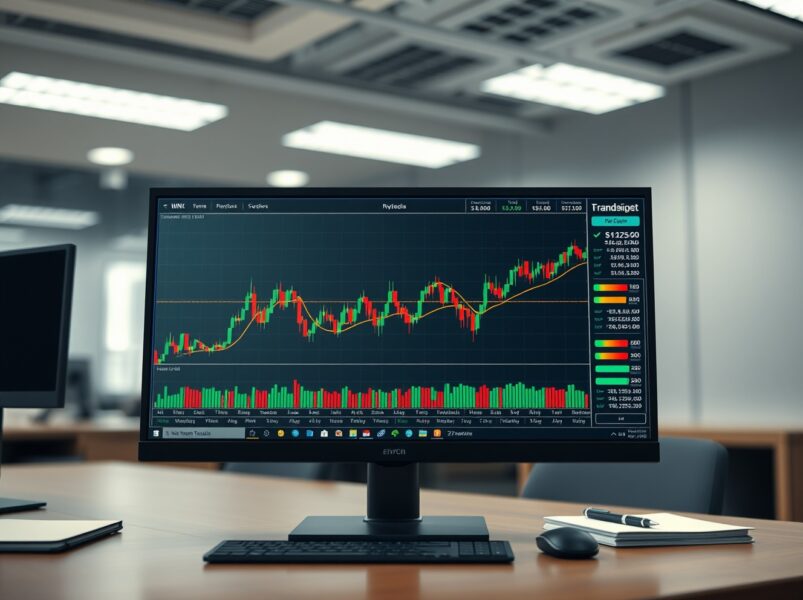
Silver trades near $92 on COMEX but around $130 in Shanghai, showing a 40% price gap driven by paper futures trading versus physical demand. Silver is currentlySilver trades near $92 on COMEX but around $130 in Shanghai, showing a 40% price gap driven by paper futures trading versus physical demand. Silver is currently

Silver Trading at Two Prices-Here’s Why Shanghai Is 40% Higher

Silver trades near $92 on COMEX but around $130 in Shanghai, showing a 40% price gap driven by paper futures trading versus physical demand.

Silver is currently trading at sharply different prices across major global markets, raising questions about how prices are formed.

In the United States, futures-linked prices remain far lower than physical prices in China.

The gap has widened to more than 40 percent, with Shanghai prices well above those on COMEX. The difference reflects contrasting market structures rather than changes in the metal itself.

COMEX Pricing Is Driven by Futures Contracts

In the United States, according to Bull Theory silver pricing is largely determined on the COMEX exchange.

Trading volume there is dominated by futures contracts instead of physical delivery. Most contracts are settled financially, and only a small share results in metal changing hands.

Market data and industry estimates suggest a large gap between paper claims and available physical silver.

Some analysts estimate ratios above 300 paper ounces for every physical ounce. This structure allows prices to change without direct movement of silver inventories.

When large market participants increase futures selling, prices can fall even if physical supply conditions remain tight.

The futures market reacts to contract flows, liquidity, and positioning. Physical availability does not always influence prices in the short term.

Shanghai Prices Reflect Physical Transactions

In contrast, prices in Shanghai are closely tied to physical silver trades. Transactions reflect immediate supply and demand within China.

Buyers often require delivery, and contracts are settled with metal rather than cash.

Shanghai spot prices have recently traded near $130 per ounce. SMM assessments have also remained above $120. These levels indicate buyers are paying more to secure physical supply.

Premiums tend to rise when supply tightens or when delivery speed matters. In these cases, futures contracts are not sufficient.

The Shanghai market reflects availability and logistics, rather than leverage or contract volume.

Related Reading: $900B Gone: Silver’s Flash Crash Makes Ethereum Look Small

Reasons Behind the Price Gap

The difference between COMEX and Shanghai prices reflects how each market operates. One market emphasizes derivatives and liquidity.

The other emphasizes physical settlement and immediate demand.

Price discovery therefore differs across regions. Futures markets respond to trading activity and risk management strategies.

Physical markets respond to inventory levels, transportation, and industrial demand.

As a result, silver trades at two prices at the same time. COMEX prices represent a futures-based benchmark.

Shanghai prices represent the cost of securing metal. The 40 percent gap shows how market structure shapes pricing outcomes.

The post Silver Trading at Two Prices-Here’s Why Shanghai Is 40% Higher appeared first on Live Bitcoin News.


Disclaimer: The articles reposted on this site are sourced from public platforms and are provided for informational purposes only. They do not necessarily reflect the views of MEXC. All rights remain with the original authors. If you believe any content infringes on third-party rights, please contact [email protected] for removal. MEXC makes no guarantees regarding the accuracy, completeness, or timeliness of the content and is not responsible for any actions taken based on the information provided. The content does not constitute financial, legal, or other professional advice, nor should it be considered a recommendation or endorsement by MEXC.

You May Also Like

Zcash (ZEC) Price Prediction: ZEC Defends $300 Support as Bullish Structures and Privacy Narrative Return to Focus

Zcash (ZEC) Price Prediction: ZEC Defends $300 Support as Bullish Structures and Privacy Narrative Return to Focus

Zcash (ZEC) is holding above the crucial $300 support zone as price consolidates near $339, with traders watching key resistance levels and a potential bullish
Share
Brave New Coin2026/02/01 02:16
The 5000x Potential: BlockDAG Enters Its Final Hours at $0.0005 Before the Presale Ends

The 5000x Potential: BlockDAG Enters Its Final Hours at $0.0005 Before the Presale Ends

BlockDAG is one of the few projects offering a structured window rather than a surprise. The presale has already raised $452 million, and only hours remain to buy
Share
Techbullion2026/02/01 02:00
Franklin Templeton CEO Dismisses 50bps Rate Cut Ahead FOMC

Franklin Templeton CEO Dismisses 50bps Rate Cut Ahead FOMC

The post Franklin Templeton CEO Dismisses 50bps Rate Cut Ahead FOMC appeared on BitcoinEthereumNews.com. Franklin Templeton CEO Jenny Johnson has weighed in on whether the Federal Reserve should make a 25 basis points (bps) Fed rate cut or 50 bps cut. This comes ahead of the Fed decision today at today’s FOMC meeting, with the market pricing in a 25 bps cut. Bitcoin and the broader crypto market are currently trading flat ahead of the rate cut decision. Franklin Templeton CEO Weighs In On Potential FOMC Decision In a CNBC interview, Jenny Johnson said that she expects the Fed to make a 25 bps cut today instead of a 50 bps cut. She acknowledged the jobs data, which suggested that the labor market is weakening. However, she noted that this data is backward-looking, indicating that it doesn’t show the current state of the economy. She alluded to the wage growth, which she remarked is an indication of a robust labor market. She added that retail sales are up and that consumers are still spending, despite inflation being sticky at 3%, which makes a case for why the FOMC should opt against a 50-basis-point Fed rate cut. In line with this, the Franklin Templeton CEO said that she would go with a 25 bps rate cut if she were Jerome Powell. She remarked that the Fed still has the October and December FOMC meetings to make further cuts if the incoming data warrants it. Johnson also asserted that the data show a robust economy. However, she noted that there can’t be an argument for no Fed rate cut since Powell already signaled at Jackson Hole that they were likely to lower interest rates at this meeting due to concerns over a weakening labor market. Notably, her comment comes as experts argue for both sides on why the Fed should make a 25 bps cut or…
Share
BitcoinEthereumNews2025/09/18 00:36