

Lighter Unveils EVM Rollup to Open Trading Liquidity to DeFi
- Lighter is launching an EVM-compatible rollup that connects smart contracts directly to its high-speed trading and liquidity.
- The new layer allows fast asset and position movement between Lighter and Ethereum without waiting for full L1 finality.
- Lighter EVM expands Lighter’s ecosystem toward broader DeFi use cases, with a public release expected soon.
The new layer is designed to allow decentralized applications to seamlessly interact with Lighter’s markets and liquidity, while preserving the low-latency execution and verifiable security that define the protocol.
The move signals Lighter’s ambition to evolve from a specialized trading venue into a more composable Ethereum-native platform, opening its infrastructure to a wider range of DeFi use cases.
From High-Frequency Trading to Composable Finance
Lighter’s existing Layer 2 is built around custom zero-knowledge circuits optimized specifically for exchange operations. This design has enabled high-frequency trading on Ethereum and helped the network scale rapidly in both transaction throughput and total value locked within its first year.
However, that same specialization limited the flexibility required by general-purpose applications. Lighter EVM addresses this by introducing a standard EVM environment that can directly compose with Lighter’s order books, liquidity, and positions, without forcing developers to work inside the protocol’s bespoke trading architecture.
Native Interoperability at the Core
A defining feature of Lighter EVM is its tight coupling with the core Lighter execution layer. Both systems will settle together on Ethereum mainnet, with proofs aggregated into a single verification flow. This allows users to move assets, manage positions, and place orders across execution environments in seconds, rather than waiting for full Layer 1 finality.
At launch, the EVM layer will support synchronous reads of Lighter state, along with fast asynchronous writes for actions such as staking, trading, and asset transfers. The team has indicated that further work is underway to reduce write latency and potentially enable fully synchronous interactions in the future.
Built With Axiom and OpenVM
The technical foundation of Lighter EVM comes from a deep engineering collaboration with Axiom. Execution on Lighter EVM is verified using OpenVM, an extensible zkVM that allows critical EVM logic to be implemented directly in Rust.
READ MORE:
Energy Sector Leads Saudi Arabia to Its Fastest Growth in Years
This setup allows Lighter to preserve its highly optimized custom circuits for trading, while running a programmable rollup alongside them without compromising performance or security. The two teams are jointly developing a custom interoperability protocol that operates across the sequencer, node, and zero-knowledge proof layers.
Unlocking New DeFi Use Cases Around Lighter Liquidity
By adding an EVM-compatible layer, Lighter is laying the groundwork for a broader ecosystem of applications colocated around its markets. Potential use cases include fast deposit bridges, shared collateral between lending protocols and perpetuals, native stablecoins issued on Lighter EVM, and tokenization platforms that directly tap into Lighter liquidity.
The common thread across these applications is improved capital efficiency and a smoother user experience enabled by near-instant interoperability between trading and smart contract execution.
Public Release Expected Soon
Following extensive internal testing across multiple devnets, Lighter is preparing for an initial public release of Lighter EVM in the coming weeks. The team is already engaging with early integration partners as it positions the new rollup as a bridge between high-performance trading and the broader Ethereum DeFi ecosystem.
As Lighter expands its scope, Lighter EVM represents a key step toward turning its trading infrastructure into a fully composable financial layer for Ethereum.
The information provided in this article is for educational purposes only and does not constitute financial, investment, or trading advice. Coindoo.com does not endorse or recommend any specific investment strategy or cryptocurrency. Always conduct your own research and consult with a licensed financial advisor before making any investment decisions.
The post Lighter Unveils EVM Rollup to Open Trading Liquidity to DeFi appeared first on Coindoo.


You May Also Like
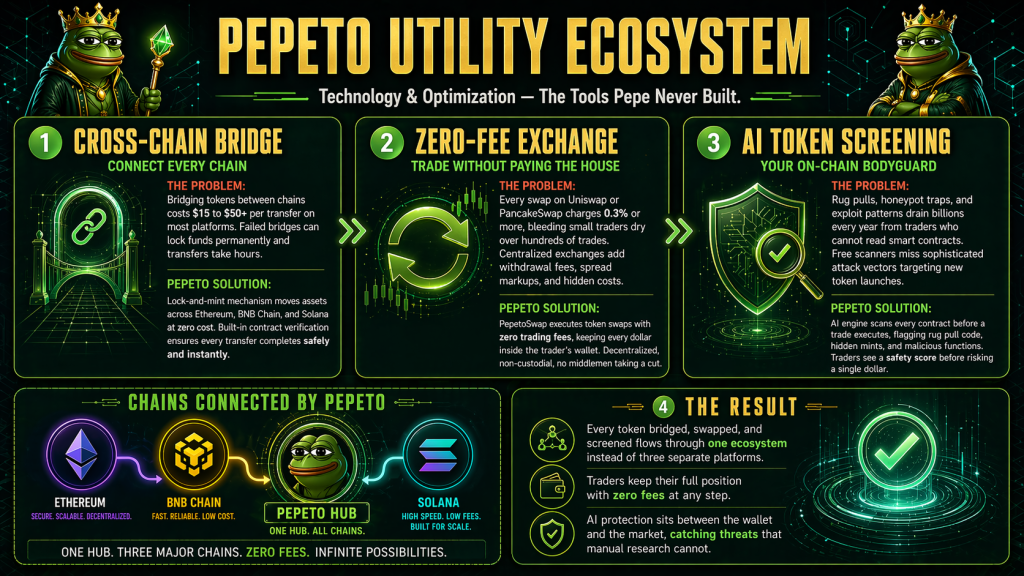
Which Are the Top 3 Cryptos to Buy Now as Solana Lands Mastercard and Pepeto Presale Nears Sold-Out Close
Ondas (ONDS) Stock Soars After Revenue Explodes Over 1,000% in Q1 2026




