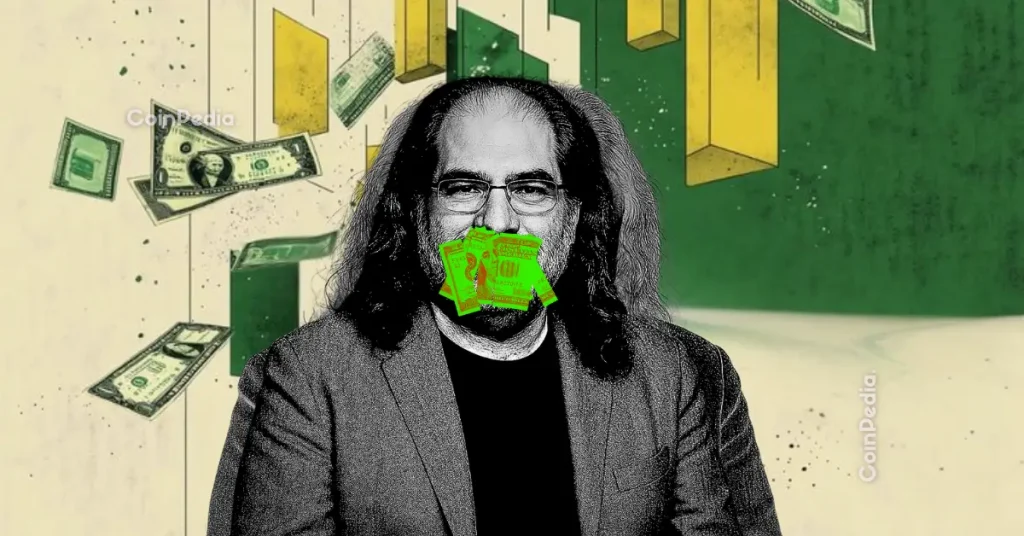
Huang downplays reports of $100B OpenAI investment
Nvidia’s top executive has walked back expectations about a massive investment in OpenAI, saying the chipmaker never made a firm promise to put $100 billion into the artificial intelligence company.
Jensen Huang, who runs Nvidia, told reporters in Taipei on Sunday that the eye-popping sum was simply an upper limit his company could consider investing, not a done deal. The tech boss said Nvidia will look at each chance to invest separately.
“It was never a commitment,” Huang explained to reporters. “They invited us to invest up to $100 billion and of course, we were very happy and honored that they invited us, but we will invest one step at a time.”
The clarification comes after Nvidia and OpenAI signed paperwork in September laying out plans for the chip company to potentially invest as much as $100 billion in the ChatGPT maker.
That money would help OpenAI build massive computer centers and other technology needed to power artificial intelligence systems. The arrangement aimed to create facilities using at least 10 gigawatts of electricity, about as much power as New York City uses when demand hits its highest point. These centers would run on Nvidia’s cutting-edge computer chips, which train and operate AI programs.
Huang dismisses tension as ‘nonsense’, then cuts investment plans
The Wall Street Journal threw cold water on the deal Friday, reporting that the investment plans had hit roadblocks. According to unnamed sources who know about the situation, some people inside Nvidia started having second thoughts about the partnership. The newspaper said Huang had told people privately that the $100 billion figure wasn’t legally binding. He also reportedly criticized how OpenAI runs its business, saying the company lacks proper discipline, and worried about facing too much competition.
When reporters asked Huang on Saturday about the Journal’s story, which suggested tensions between him and OpenAI, he dismissed it sharply.
“That’s nonsense,” Huang said.
He went on to praise OpenAI and promise significant financial support. “We will invest a great deal of money,” Huang told reporters. “I believe in OpenAI. The work that they do is incredible. They’re one of the most consequential companies of our time.”
While Huang called the planned investment “huge,” he stopped short of saying exactly how much Nvidia might actually put in. He did make clear that whatever Nvidia contributes to OpenAI’s current fundraising effort won’t come close to $100 billion.
The back-and-forth highlights growing worries about how money flows in the AI industry. Nvidia’s plan to invest heavily in OpenAI raises eyebrows because OpenAI is also one of Nvidia’s biggest customers, buying large quantities of its advanced chips. Critics increasingly question whether these arrangements — where tech companies invest in AI businesses that turn around and buy their products — create fake demand that makes the market look healthier than it really is.
CoreWeave deal adds to the pattern
Nvidia isn’t just doing this with OpenAI. The company recently said it would put another $2 billion into CoreWeave Inc., a cloud computing business that also buys lots of Nvidia chips. That deal targets building 5 gigawatts worth of AI technology infrastructure by 2030. When news of the CoreWeave investment broke on January 26, 2026, the company’s stock jumped 6 percent.
The CoreWeave partnership adds to concerns about this circular pattern in AI financing. Investors are starting to ask harder questions about whether these deals actually reflect genuine market demand or if they’re just tech companies propping up each other’s businesses through investments that eventually flow back to themselves through product sales.
Despite the questions swirling around these investments, Huang remains bullish on OpenAI and the broader AI industry, even as he insists Nvidia will be more measured about how much it actually commits.
If you're reading this, you’re already ahead. Stay there with our newsletter.


You May Also Like
Samsung Electronics Targets Record Q1 Profit as Memory Chip Supercycle Hits Full Stride

One Of Frank Sinatra’s Most Famous Albums Is Back In The Spotlight