Linq’s Revolutionary $20M Funding Enables AI Assistants to Thrive Within Messaging Apps
BitcoinWorld
Linq’s Revolutionary $20M Funding Enables AI Assistants to Thrive Within Messaging Apps
BIRMINGHAM, Ala., February 2025 – In a significant development for business communication technology, Linq has secured $20 million in Series A funding to transform how companies interact with customers through AI assistants living directly within popular messaging platforms. This strategic investment, led by TQ Ventures with participation from Mucker Capital and angel investors, validates Linq’s pivot from digital business cards to becoming the essential infrastructure layer for programmatic messaging across iMessage, RCS, and SMS channels.
Linq’s Evolution From Business Cards to Messaging Infrastructure
Founded by former Shipt executives Elliott Potter, Patrick Sullivan, and Jared Mattsson, Linq initially launched as a digital business card solution for sales teams. The company gradually evolved its technology stack, discovering through customer feedback that businesses sought more authentic communication channels. Specifically, companies wanted to send messages that appeared as regular blue-bubble iMessages rather than the distinct gray business messages that signal commercial interactions.
This insight prompted Linq’s crucial pivot in early 2024. The company developed an API that enables businesses to message customers natively within iMessage, leveraging all the platform’s capabilities including group chats, emojis, threaded replies, images, and voice notes. Within eight months of launching this API in February 2025, Linq doubled the annual recurring revenue it had built over four previous years, demonstrating remarkable product-market fit.
The AI Assistant Catalyst That Transformed Linq’s Trajectory
The company’s trajectory shifted dramatically when an AI assistant called Poke approached Linq in spring 2024. Developed by the Interaction Company of California, Poke demonstrated how AI could handle tasks, answer questions, and manage calendars directly within iMessage without requiring a separate application. This interaction revealed a much larger market opportunity beyond traditional business messaging.
“Poke went viral at launch last September, which led to our team being inundated with requests for tapping our messaging API,” explained CEO Elliott Potter. “Suddenly, numerous AI companies wanted to offer their chatbots and assistants directly through iMessage, RCS, and SMS.” This demand surge presented Linq with a strategic decision: continue serving B2B clients or pivot to become infrastructure for the emerging AI agent market.
Strategic Pivot to AI Messaging Infrastructure
Linq chose the latter path, recognizing that consumers increasingly suffer from app fatigue while developers seek simpler implementation methods. The company’s technology allows AI assistants to operate within existing messaging apps, eliminating the need for separate applications. This approach benefits both end-users and developers, creating a more seamless experience while reducing development complexity.
The results have been substantial. Linq’s customer base expanded by 132% from the previous quarter, with average customer accounts growing by 34%. The platform now facilitates more than 30 million messages monthly, reaching 134,000 monthly active users through customer AI agents. Remarkably, the company achieved 295% net revenue retention with zero churn, indicating strong customer satisfaction and expansion.
Technical Architecture and Competitive Landscape
Linq operates within a competitive ecosystem dominated by established players. Apple’s Messages for Business service already enables commercial communication through iMessage, while Twilio has built an $18.26 billion business facilitating customer texting. However, Linq differentiates by enabling authentic-looking communications that blend seamlessly with personal messages.
| Platform | Message Appearance | AI Integration | Business Identification |
|---|---|---|---|
| Traditional SMS | Green bubbles | Limited | Obvious |
| Apple Business | Gray bubbles | Basic | Clear branding |
| Linq iMessage | Blue bubbles | Advanced AI agents | Authentic appearance |
| RCS Business | Enhanced features | Growing | Varied implementation |
The company’s technical approach focuses on several key advantages:
- Native integration with existing messaging platforms
- No additional apps required for end-users
- Full feature access to platform capabilities
- Scalable infrastructure supporting millions of messages
- Developer-friendly APIs reducing implementation time
Market Context and Future Expansion Plans
Despite impressive growth, Linq faces several challenges. The company currently builds on Apple’s platform, creating potential vulnerability if Apple restricts third-party AI chatbots similar to Meta’s platform restrictions. Additionally, iMessage dominates primarily in the United States, while global markets favor WhatsApp, WeChat, Telegram, and Signal.
Potter acknowledges these considerations while outlining an ambitious expansion strategy. “Our vision for the platform is everything you need to build conversational technology,” he stated. “That’s not limited to a few channels. Right now, we have programmatic voice, iMessage, RCS, and SMS. That’s just the beginning.”
The $20 million funding will support several strategic initiatives:
- Team expansion across engineering and sales departments
- Development of new go-to-market strategies
- Technology enhancement for additional messaging platforms
- International expansion planning
- Partnership development with AI companies
Investor Perspective on Linq’s Potential
Andrew Marks, co-founding Partner of lead investor TQ Ventures, expressed strong confidence in Linq’s direction. “By making AI-to-human communication as frictionless as texting a friend, Linq is enabling an entirely new category of companies,” Marks noted. “Linq’s founding team is extraordinary, and we have no doubt in their ability to execute on this massive opportunity.”
This investment arrives during a period of significant transformation in business communication. The global business messaging market continues expanding rapidly, driven by consumer preference for messaging over traditional channels. Simultaneously, AI assistant capabilities have advanced sufficiently to handle complex tasks without dedicated applications, creating perfect conditions for Linq’s infrastructure approach.
Conclusion
Linq’s $20 million Series A funding represents more than just financial validation—it signals a fundamental shift in how businesses will communicate with customers through AI assistants. By enabling authentic, native messaging experiences across popular platforms, Linq addresses both consumer app fatigue and developer implementation challenges. The company’s remarkable growth metrics, including 295% net revenue retention and zero churn, demonstrate strong market demand for their infrastructure approach. As Linq expands beyond iMessage to additional platforms, their technology could fundamentally reshape business communication, making AI assistants as accessible and natural as texting a friend.
FAQs
Q1: What exactly does Linq’s technology enable businesses to do?
Linq’s technology allows businesses to send messages that appear as regular iMessage conversations (blue bubbles) rather than obvious business communications. Their API enables native integration with iMessage features including group chats, emojis, threaded replies, images, and voice notes, creating more authentic customer interactions.
Q2: How does Linq differ from Apple’s existing Messages for Business service?
While Apple’s service enables business communication through iMessage, messages appear in distinct gray bubbles with clear business branding. Linq’s approach makes business messages appear identical to personal messages (blue bubbles), creating more authentic-seeming conversations that customers may prefer.
Q3: What prompted Linq’s pivot from digital business cards to messaging infrastructure?
Customer feedback revealed that businesses wanted more authentic communication channels with customers. The pivotal moment came when AI assistant company Poke demonstrated how AI could operate within iMessage, revealing a much larger market opportunity for messaging infrastructure supporting AI agents.
Q4: What are the main challenges Linq faces despite its recent funding?
Linq currently depends on Apple’s platform, creating potential vulnerability if Apple restricts third-party AI chatbots. Additionally, iMessage has limited global penetration compared to WhatsApp and WeChat, requiring platform expansion for international growth.
Q5: How will Linq use the $20 million in Series A funding?
The funding will support team expansion, development of new go-to-market strategies, technology enhancement for additional messaging platforms, international expansion planning, and partnership development with AI companies to broaden their infrastructure capabilities.
This post Linq’s Revolutionary $20M Funding Enables AI Assistants to Thrive Within Messaging Apps first appeared on BitcoinWorld.


You May Also Like

ZachXBT flags $420m in alleged USDC compliance lapses, raising questions over Circle’s enforcement
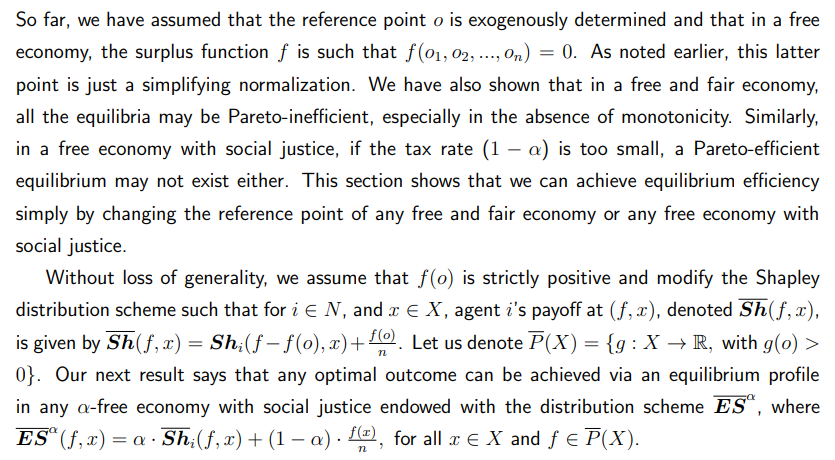
The Role of Reference Points in Achieving Equilibrium Efficiency in Fair and Socially Just Economies