

Luxury Services: How Technology Is Rewriting Trust in India’s Cleaning Industry
Ever handed over a luxury handbag or leather shoe to a luxury services provider—and spent days wondering whether it would come back the same?
No tracking. No visibility. Just trust, crossed fingers, and anxiety.
That moment captures a deeper customer experience problem across India’s premium services sector—an unorganised industry built on craftsmanship, but lacking predictability, transparency, and CX design.
In an era where AI chatbots can derail journeys and apps promise frictionless service, luxury care still depends on human skill—yet customers increasingly expect digital confidence.
This CXQuest interview explores that intersection.
We speak with Kshitij Rajpal, Founder of Perfecto Cleaners, a New Delhi–based luxury laundry and restoration company redefining how high-end leather goods, handbags, and shoes are cared for. Built on the six-decade legacy of Prakash Drycleaners, Perfecto blends artisan expertise with process standardisation, digital tracking, and experience-led service design.
Rather than spotlighting a brand, this conversation examines how customer experience thinking, operational discipline, and technology can rebuild trust in a fragmented industry—and what CX leaders can learn from it.
A Customer Win That Surprised Most
Q1. What customer experience win surprised you most in your journey as a founder?
KR: What surprised me most was realising that in luxury care, customers value predictability and prompt communication more than speed. Our clients are busy, lifestyle-driven, and very particular about timelines. They don’t want to chase updates. Early on, I noticed that when we proactively shared updates before customers even asked and clearly committed to delivery timelines, their confidence increased significantly. In luxury care, a delayed or silent experience creates anxiety. Transparency and timely communication are what makes customers feel in control.
Q2. What was the moment you realised laundry and luxury care had a CX trust problem?
KR: I realised it when a customer walked in with a rare pair of designer shoes and a heritage handbag and kept saying, ‘’Please be careful, this is very special. ‘’ She wasn’t worried about the service price, she was worried about who was handling her precious belongings. Our customers don’t trust local vendors because they don’t believe they understand luxury. That’s when I understood the CX gap isn’t just operational, it’s emotional. These customers need a personal touch, not chat support. They need someone knowledgeable explaining the process step by step, showing familiarity with the brand, the materials, even the stitching. Trust comes when customers see you care for their product as if it were your own.
High-Value Personal Items
Q3. Why do customers feel anxious handing over high-value personal items?
KR: I remember a client handing over a very high-value luxury bag that had been in her family for generations. She hesitated, asked repeated questions, and was clearly struggling to let go. The anxiety wasn’t about money, it was about loss of control and irreversibility. Once the item leaves their hands, customers lose visibility. That’s why we focus on constant communication, sharing images at every stage, explaining what’s being done, and keeping feedback loops active. It restores a sense of control and eases that emotional discomfort.
Q4. How does emotional value differ from monetary value in luxury services?
KR: Monetary value is very transactional. Emotional value is personal and irreplaceable. Many customers are emotionally attached to their bags, garments, shoes that carry memories and meaning. In luxury services, replacement is never a solution. CX succeeds only when we acknowledge that emotional attachment and treat the product with the same respect the customer does.
CX Mistakes Unknowingly Repeated
Q5. What CX mistakes do traditional service providers unknowingly repeat?
KR: The biggest mistake is lack of product knowledge at the first customer interaction. A regular tailor or cobbler doesn’t understand why stitch size, brand-specific colour coding, or material treatment matters. Luxury can’t be handled generically. When service providers don’t understand the product, or are simply incapable of servicing it correctly, and customers sense that immediately.
Q6. How does process standardisation improve customer confidence without diluting craft?
KR: Our processes are standardised from the first customer enquiry to final delivery. That includes explaining what needs to be done, pickup, physical inspection, quotation, approvals, execution, quality checks, and final sign-off. This structure ensures smooth transitions at every stage. The craft itself remains specialised and human-led, but the process around it ensures reliability. Customers don’t want identical outcomes, they want predictable, high-quality ones.
Digital Tracking Reducing Customer Uncertainty
Q7. What role does digital tracking play in reducing customer uncertainty?
KR: Digital tracking turns an invisible service into a visible journey. When customers can see what’s happening, even through images and updates, their perceived risk drops dramatically and this kind of visibility builds trust.
Q8. How do structured workflows change frontline employee experience (EX)?
KR: Structured workflows remove confusion and pressure from frontline teams. When employees aren’t forced to improvise, they can focus on judgment, care, and quality. Clear processes empower teams rather than restricting them, and confident employees deliver calm, assured CX.
Q9. Where does customer feedback loop directly into service design decisions?
KR: Feedback starts right from the first customer query. We capture concerns during enquiry, during inspection, while sharing quotations, and even before dispatch. These signals help us refine communication, approvals, and quality checks. The most valuable feedback comes before something goes wrong, not after delivery.
CX Risks While Scaling Premium Services
Q10. What CX risks emerge when scaling premium services across cities?
KR: When you scale luxury services across cities, logistics becomes the backbone of the entire customer experience. Unlike regular garments, high-value items demand controlled handling, traceability, and zero tolerance for damage or loss. Logistics is therefore a major risk, especially for premium and irreplaceable items. That’s why we work only with the most trusted logistics partners rather than local courier services. Another challenge is verifying product authenticity and condition at every handoff. In luxury care, even a small lapse can break trust and no amount of service excellence later can fully repair it.
Q11. How do you ensure consistency when trust depends on human skill?
KR: Consistency in luxury doesn’t happen by chance, it’s engineered. Luxury brands invest heavily in training, standardisation, and continuous quality checks to ensure the same experience across geographies and teams. We follow that exact approach with ongoing training, performance audits, feedback loops, and certification across our operations.
Luxury Services: Real Indicator of Trust Is…
Q12. What metrics matter more than NPS in luxury service CX?
KR: For me, the real indicator of trust is whether a customer comes back with their most valuable pieces. We track how often clients re-entrust us with couture, luxury handbags, or special-occasion wear. We also pay close attention to how frequently issues escalate and how confident customers feel after a recovery. In luxury care, trust durability shows up in behaviour, not just scores.
Q13. How do you balance CX investment with cost pressures in service-heavy models?
KR: Balancing customer experience and costs in service-heavy businesses is all about focusing on what really matters. Train your team well, standardize processes, and make sure every service is reliable. Mistakes cost more than the effort to get it right. Use simple tools to stay responsive, and tailor service levels so you’re investing wisely. I strongly believe that Great CX comes from consistency and smart execution, not higher spend.
Luxury Services: Luxury Care in Five Years
Q14. What will customer experience in luxury care look like five years from now in India?
KR: Based on my experience building Perfecto Cleaners and working closely with luxury customers, I see customer experience in luxury care in India changing fundamentally over the next five years driven by more informed, demanding customers and businesses being forced to rethink how they operate.
Luxury will move beyond brand names and premium pricing to process-led trust. Customers will expect clear visibility into how their items are handled who worked on them, what decisions were made, and what quality checks were followed. This level of transparency won’t be a “nice to have”; it will become the baseline for any service claiming to be luxury.
As customers evolve, blind trust will disappear. Luxury brands will need to continuously earn credibility through traceability, accountability, and consistency. This will push businesses to revamp internal systems, replacing informal, people-dependent processes with robust SOPs, documentation, and tech-enabled tracking that can scale without compromising care.
At the same time, customers will expect effortless personalization through proactive communication, contextual updates, and reassurance without having to ask. The future of luxury care will belong to brands that evolve alongside their customers, delivering not just premium outcomes, but visible control, confidence, and calm at every step of the journey.
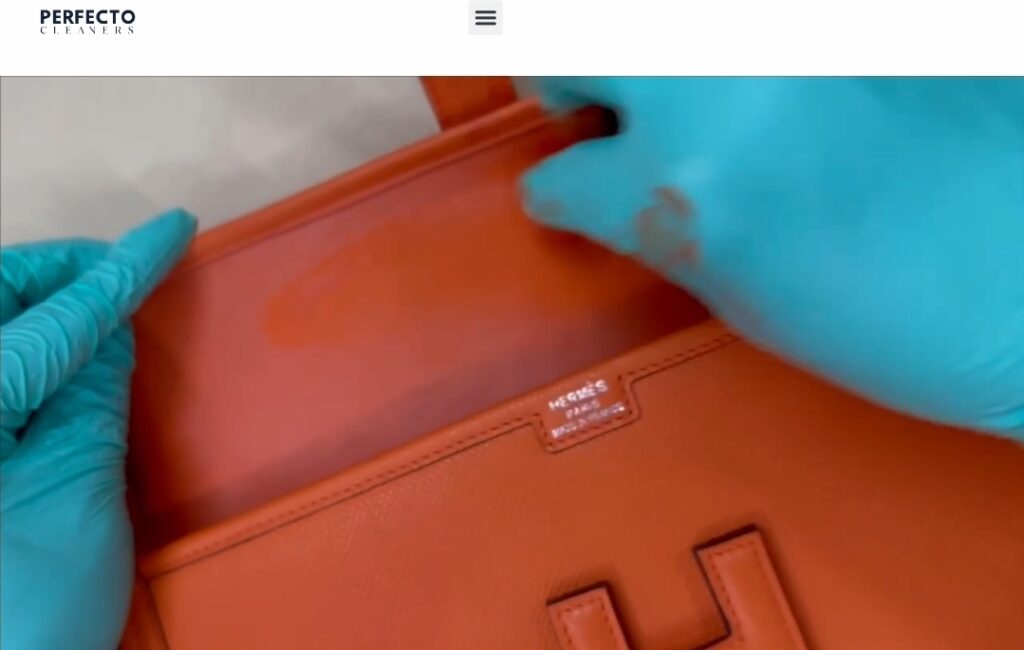
Luxury Services: Technology Does Not Replace Trust
This conversation reveals a crucial CX lesson:
Technology does not replace trust—it structures it.
In industries where craftsmanship carries generational knowledge, customer experience leadership is not about automation. It’s about making excellence visible, predictable, and emotionally safe for customers.
Kshitij Rajpal’s perspective highlights how:
CX design can organise chaos without killing soul
Process innovation strengthens—not weakens—human expertise
Transparency converts anxiety into loyalty
Digital-first CX sets new expectations in premium services
For CX, EX, and service design leaders, the takeaway is clear:
The future of customer experience lies in orchestrating people, processes, and technology—especially where trust is fragile.
Explore more insights in CXQuest’s AI in CX, Service Design, and CX in India hubs.
If you’re building CX in complex, human-led industries, this story offers a roadmap worth studying.
The post Luxury Services: How Technology Is Rewriting Trust in India’s Cleaning Industry appeared first on CX Quest.


You May Also Like

Netflix (NFLX) Stock: Italian Court Orders Refunds Over Illegal Price Hikes

Kentucky Eases Crypto Rules




