

Zimbabwe Lithium Exports Rise on Local Processing Drive

Export momentum within a clearer policy setting
Zimbabwe’s lithium exports have increased, and this trend reflects the early effects of policies that promote domestic processing. According to official data, export volumes rose at a steady pace, while stronger output from active mines improved export flows. As a result, the government is advancing its goal to reduce raw mineral shipments and raise the share of processed products, under the guidance of the Ministry of Finance and Economic Development.
Moreover, lithium has become a key export that supports foreign currency inflows and the trade balance. At the same time, stable global prices and steady demand have helped sustain export growth during the policy shift.
Local processing and investor response
As policies tighten, the requirement for local processing has shifted investor plans across Zimbabwe’s lithium sector. Consequently, new projects now focus more on concentrators and early-stage refining. This strategy helps retain value in the domestic economy and supports skills development, while the Reserve Bank of Zimbabwe continues to underline the importance of mining exports for external stability.
Meanwhile, demand from Asia remains strong as electric vehicle production continues to grow, a trend closely tracked by FurtherAsia. In parallel, interest from the GCC has increased, as Gulf investors seek exposure to energy transition minerals, a focus area for FurtherArabia.
Fiscal effects and regional context
As export value rises, higher lithium revenues are expected to support tax intake and royalty collection. These trends appear in trade and production data released by the Zimbabwe National Statistics Agency. However, power supply and transport limits persist, although recent gains signal steady progress.
Regionally, Zimbabwe’s performance strengthens Southern Africa’s role in battery material supply. Therefore, this momentum aligns with wider mineral strategies supported by the African Development Bank.
Near-term outlook for lithium exports
Looking ahead, future growth will depend on clear rules, reliable energy supply, and access to finance. Even so, current data suggests Zimbabwe’s lithium sector is moving toward a more balanced and resilient export model. In turn, this direction supports long-term development goals often highlighted by the World Bank.
Overall, as global demand for battery materials rises, Zimbabwe’s approach may offer lessons for other African producers seeking stronger value addition.
The post Zimbabwe Lithium Exports Rise on Local Processing Drive appeared first on FurtherAfrica.


You May Also Like
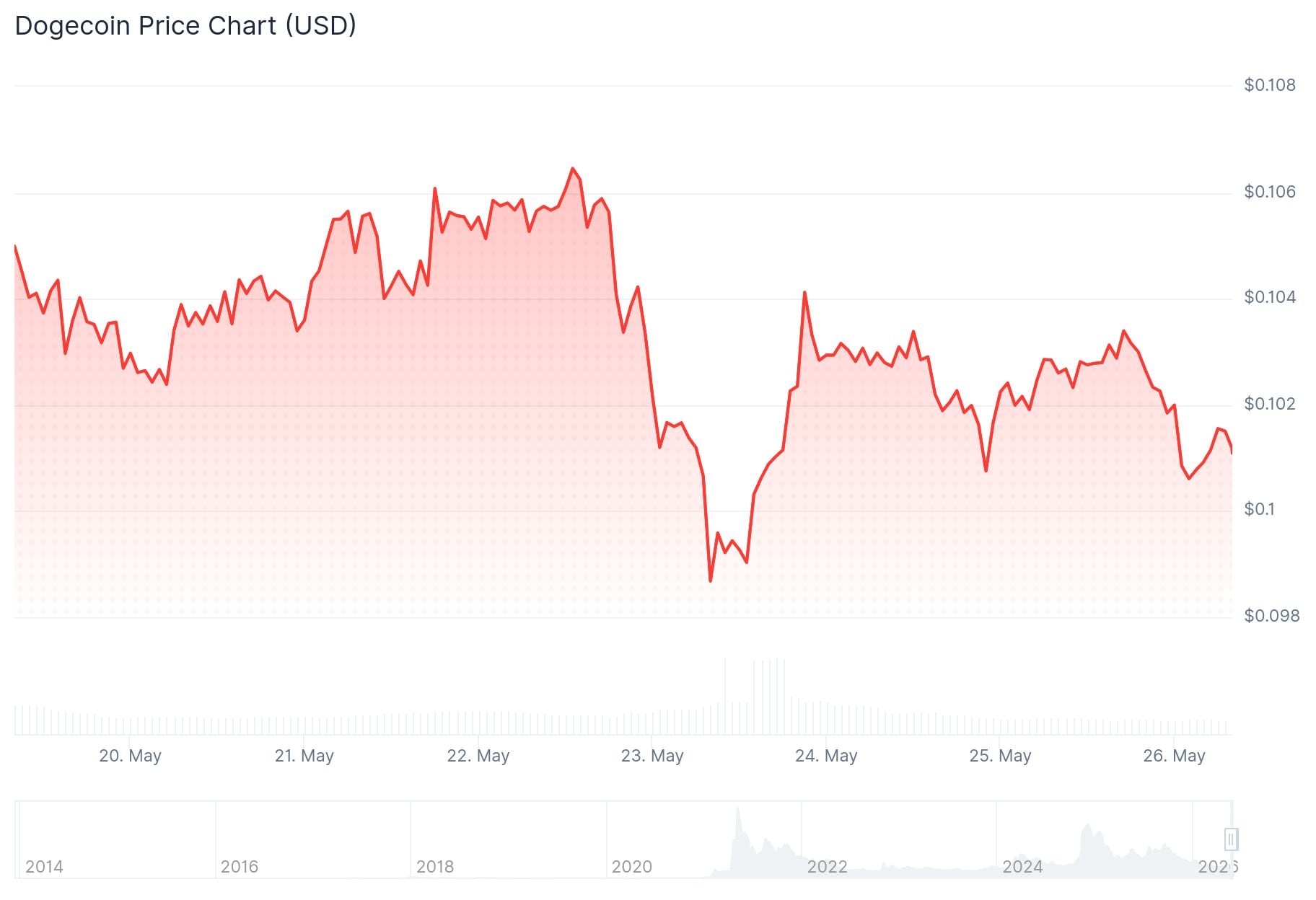
Dogecoin (DOGE) Price: ETF Inflows Hold Steady for Four Weeks as Price Tests Key Support

Chainlink Whale Activity Rises While Price Bleeds for 7 Straight Months
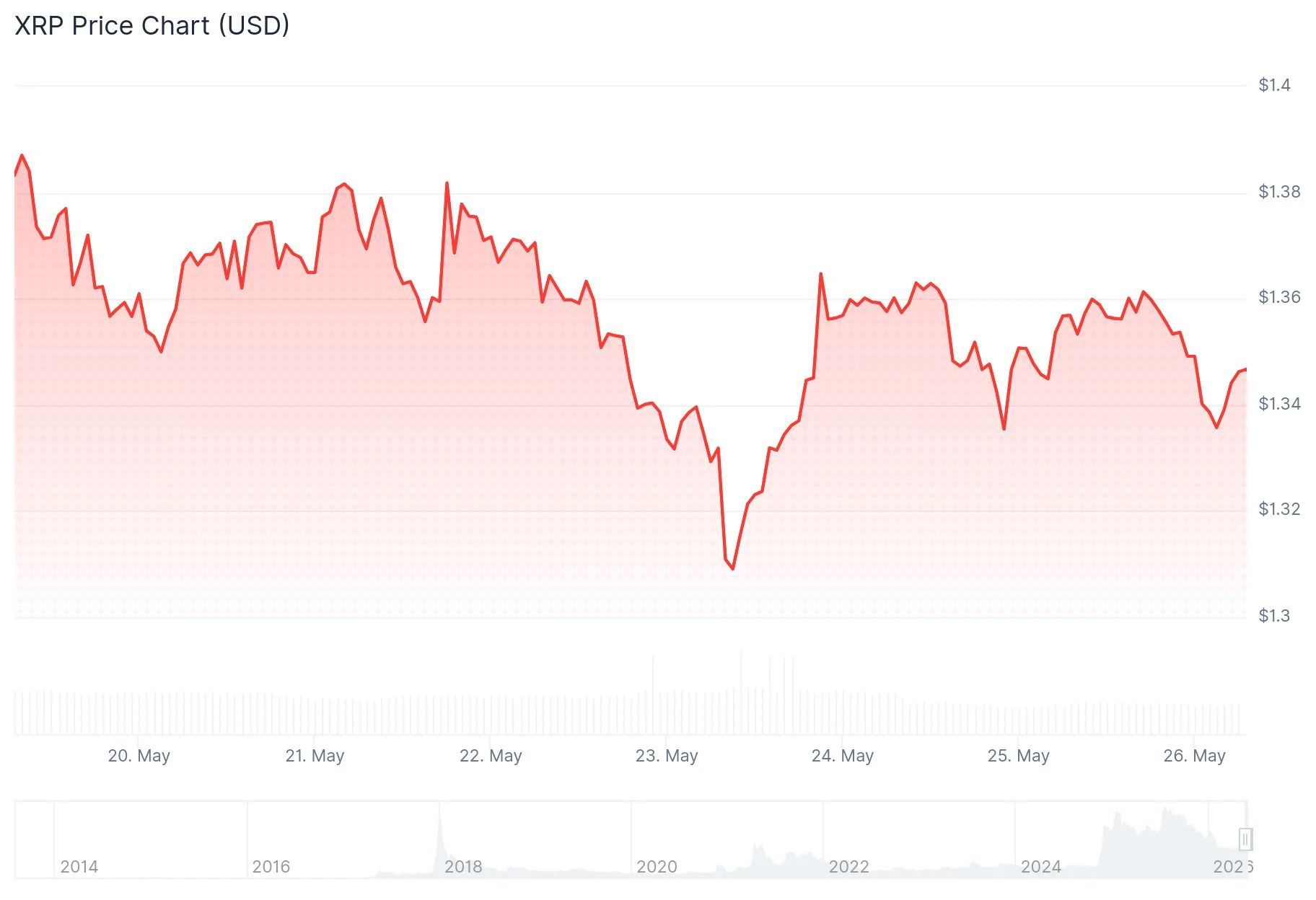
Chris Larsen’s $3.5B XRP Holdings See Fresh Blockchain Movement



