

Strium Layer 1 Launch: A Revolutionary Blockchain for Seamless Forex and RWA Trading
BitcoinWorld
Strium Layer 1 Launch: A Revolutionary Blockchain for Seamless Forex and RWA Trading
In a significant move bridging traditional finance with decentralized technology, the Web3 venture Startale has officially launched Strium, a purpose-built Layer 1 blockchain poised to transform forex and real-world asset trading. This strategic initiative, backed by the formidable alliance of Sony and the Astar Foundation, introduces a dedicated infrastructure for 24-hour markets and instant settlement, potentially reshaping global capital flows. Consequently, the financial technology sector is witnessing a pivotal convergence.
Strium Layer 1: Architecting the Future of Digital Asset Trading
Startale’s Strium represents a specialized blockchain protocol designed explicitly for high-throughput financial applications. Unlike general-purpose networks, Strium’s architecture prioritizes the unique demands of trading synthetic assets, tokenized securities, and real-world assets (RWAs). The platform’s core innovation lies in its ability to facilitate continuous, 24-hour trading cycles with instant settlement, a stark contrast to the traditional financial system’s limited hours and multi-day settlement periods. This capability directly addresses a long-standing inefficiency in global markets.
Furthermore, the venture leverages the technical expertise and credibility of its founding partners. The Astar Foundation brings deep blockchain development experience from the Polkadot ecosystem, while Sony’s involvement signals serious corporate interest in Web3’s practical utility. This combination provides Strium with a foundation of both technical authority and mainstream trustworthiness, essential for handling regulated financial instruments.
The Strategic Roadmap from Synthetic Assets to Tokenized Stocks
Strium’s launch follows a carefully phased approach to market entry and regulatory compliance. Initially, the platform will support trading in synthetic assets, which are blockchain-based derivatives that mirror the price of traditional assets like U.S. and Japanese stocks or commodities. This initial phase allows users to gain exposure to these markets without directly holding the underlying securities, operating within a defined regulatory framework.
The subsequent and more ambitious phase involves the introduction of fully tokenized stocks and asset-backed tokens. This transition represents a direct on-chain representation of equity and debt instruments. Importantly, access to these tokenized real-world assets will require users to complete Know Your Customer (KYC) verification protocols. This step ensures adherence to global financial regulations concerning securities trading and anti-money laundering (AML) standards. Therefore, Strium is building a bridge that respects existing legal frameworks while deploying new technology.
Expert Analysis: The RWA Narrative and Infrastructure Gap
Industry analysts consistently identify real-world asset tokenization as one of the most compelling use cases for blockchain technology. However, a persistent challenge has been the lack of dedicated, scalable, and compliant infrastructure. General-purpose blockchains often struggle with the specific requirements of regulated finance, such as identity verification, privacy for sensitive transaction data, and interoperability with traditional systems.
Strium enters this landscape as a tailored solution. By focusing solely on forex, stocks, and RWAs, it can optimize its consensus mechanism, transaction processing, and smart contract environment for financial workflows. For instance, its instant settlement feature eliminates counterparty risk and frees capital that is typically locked in transit for days. Market observers note that specialized Layer 1 blockchains like Strium could accelerate institutional adoption by providing a more familiar and reliable operational environment compared to adapting to a multi-use public chain.
Comparative Landscape: How Strium Fits In
The blockchain space already hosts several projects targeting traditional finance. The table below provides a concise comparison of Strium’s positioning against broader trends.
| Project/Type | Primary Focus | Key Differentiator |
|---|---|---|
| Strium (Startale) | Forex, Synthetic Assets, Tokenized RWAs | Dedicated Layer 1; Sony & Astar backing; Phased KYC integration |
| Generic DeFi Platforms | Broad Crypto Lending & Trading | General-purpose, often lack native RWA compliance tools |
| Traditional Finance Integrations | Bank-led tokenization projects | Heavily regulated, slower innovation, private/permissioned chains |
| Other RWA-focused Chains | Real Estate, Commodities | Often niche to one asset class; Strium covers forex + equities |
This comparison highlights Strium’s targeted approach. It does not seek to replace all of decentralized finance but rather to serve as the premier settlement layer for a specific, high-value segment of the global economy. Its potential impact includes:
- Increased Market Efficiency: 24/7 trading reduces gaps and arbitrage opportunities seen in traditional markets.
- Enhanced Liquidity: Tokenization can fractionalize high-value assets, making them accessible to a broader investor base.
- Reduced Systemic Risk: Instant settlement via blockchain removes the delay and credit risk present in current T+2 or T+3 settlement cycles.
Conclusion
The launch of the Strium Layer 1 blockchain by Startale marks a substantive step toward the maturation of blockchain in mainstream finance. By providing a dedicated infrastructure for forex, synthetic assets, and ultimately tokenized real-world assets, Strium addresses critical gaps in speed, access, and compliance. The backing of Sony and the Astar Foundation lends significant credibility to this endeavor. As the platform evolves through its phased roadmap, it has the potential to demonstrably increase capital efficiency and market participation, solidifying the role of specialized blockchains in the future global financial system.
FAQs
Q1: What is Strium?
Strium is a new Layer 1 blockchain launched by Startale, a joint venture between Sony and the Astar Foundation. It is specifically designed to support trading in forex (foreign exchange), synthetic assets, and tokenized real-world assets like stocks.
Q2: How is Strium different from other blockchains?
Unlike general-purpose blockchains, Strium is built specifically for financial markets. Its key features include infrastructure for 24-hour trading, instant settlement, and integrated pathways for KYC verification, which is essential for handling regulated securities.
Q3: What can I trade on Strium initially?
Initially, Strium will support trading in synthetic assets based on U.S. and Japanese stocks and commodities. These are derivative products that track the price of the real asset without requiring you to hold it directly.
Q4: What are the future plans for Strium?
The platform plans to expand into offering direct tokenized stocks and asset-backed tokens. Access to these real-world assets will require users to complete identity verification (KYC) procedures.
Q5: Why is the involvement of Sony and Astar important?
Sony’s involvement brings mainstream corporate credibility and an interest in practical Web3 applications. The Astar Foundation provides proven blockchain development expertise from the Polkadot ecosystem. Together, they provide a foundation of trust and technical authority for a financial-focused blockchain.
This post Strium Layer 1 Launch: A Revolutionary Blockchain for Seamless Forex and RWA Trading first appeared on BitcoinWorld.


You May Also Like
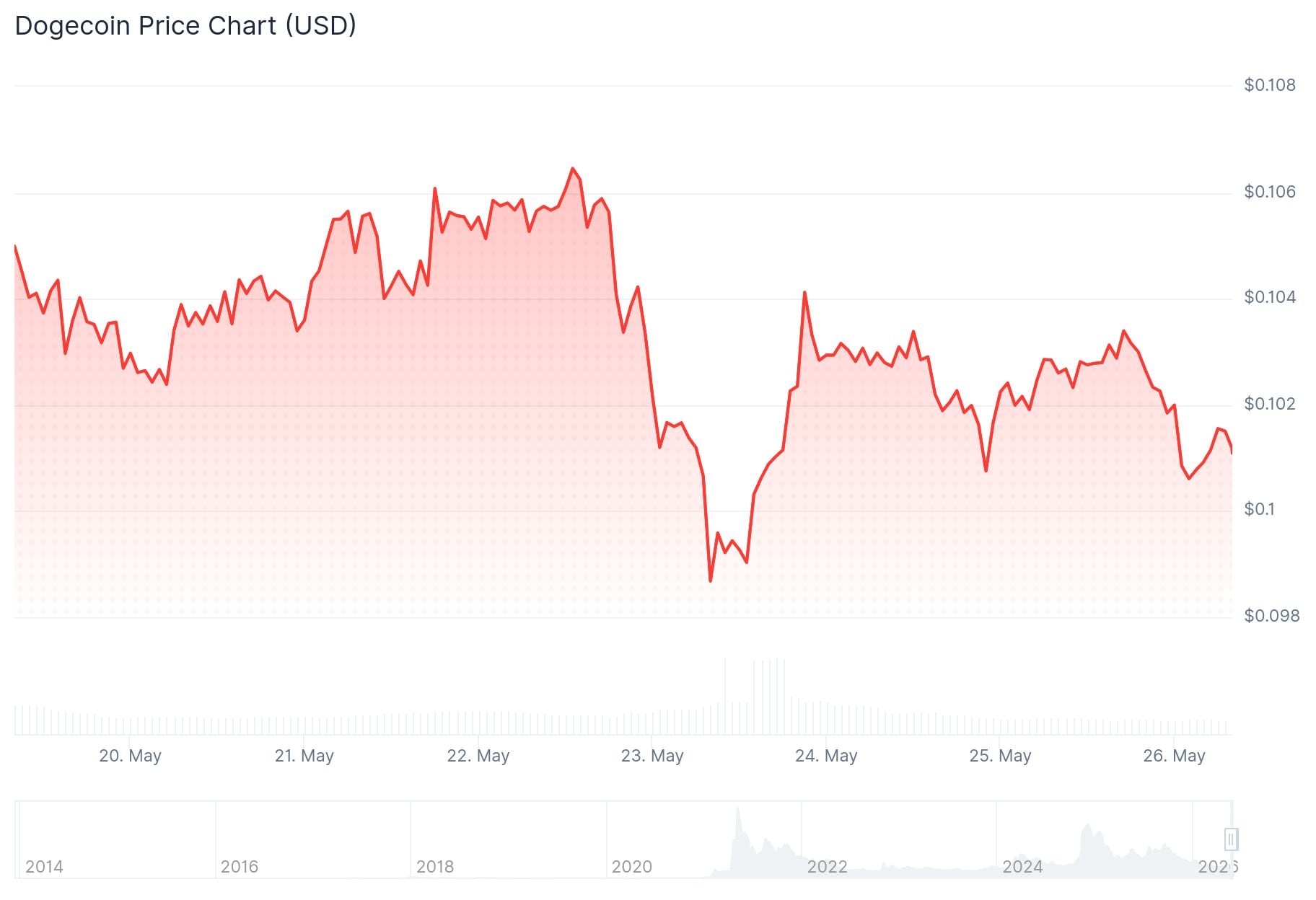
Dogecoin (DOGE) Price: ETF Inflows Hold Steady for Four Weeks as Price Tests Key Support

Chainlink Whale Activity Rises While Price Bleeds for 7 Straight Months
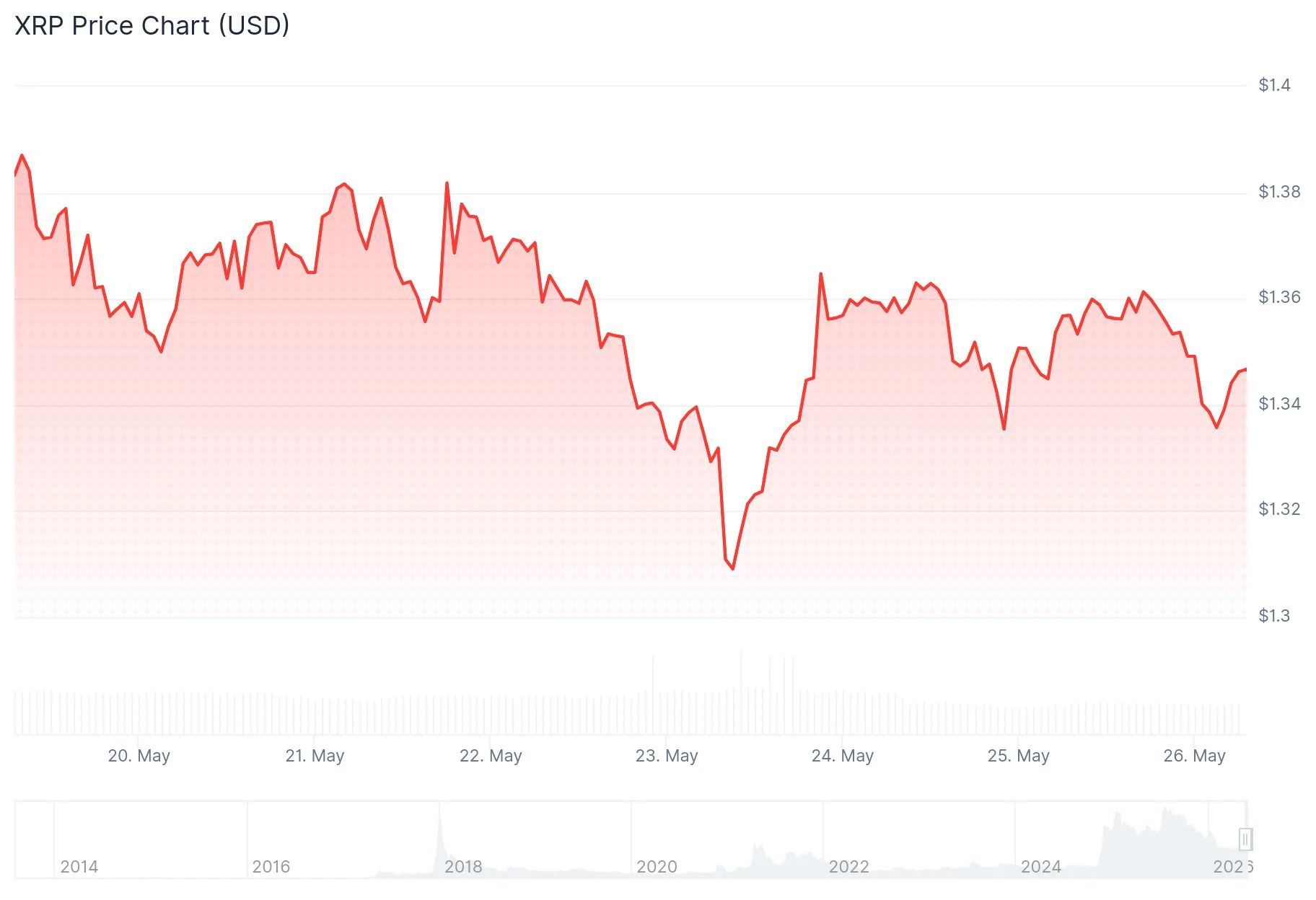
Chris Larsen’s $3.5B XRP Holdings See Fresh Blockchain Movement



