Two Estonian nationals avoided additional prison time for orchestrating one of crypto’s largest Ponzi schemes (HashFlare) after receiving sentences matching the 16 months they already served in custody. Sergei Potapenko and Ivan Turõgin, both 40, were sentenced by U.S. District Judge Robert S. Lasnik for their roles in the $577 million HashFlare fraud that victimized hundreds of thousands of investors worldwide between 2015 and 2019. U.S. District Judge Robert S. Lasnik ordered each defendant to pay $25,000 in fines and to complete 360 hours of community service during their supervised release in Estonia. The sentencing incorporated forfeiture of over $450 million in seized assets for victim compensation, while prosecutors sought ten-year prison terms and are considering an appeal. Sergei Potapenko and Ivan Turõgin (Source: Postimees ) The $577 Million Mining Mirage HashFlare marketed itself as a crypto mining service selling contracts that promised customers shares of profits from blockchain validation activities. Court documents revealed the operation used fake online dashboards showing false mining activity while lacking the computing capacity to mine the vast majority of the claimed cryptocurrency. The duo’s equipment performed Bitcoin mining at less than one percent of its purported computing power, according to the Justice Department’s official press release . When investors requested withdrawals, Potapenko and Turõgin either resisted payments or used newly purchased cryptocurrency rather than actual mining rewards. The defendants diverted millions to purchase real estate, luxury vehicles, expensive jewelry, and over a dozen chartered private jet trips while victims suffered major losses. Their scheme extended beyond HashFlare to include Polybius Bank, a fictitious “virtual currency bank” that raised $25 million through a 2017 ICO but never operated as an actual financial institution. The 2023 arrests triggered complex extradition proceedings before Estonia approved their transfer to face U.S. charges in early 2024. Both men pleaded guilty to conspiracy to commit wire fraud in February , agreeing to forfeit over $400 million in assets while facing a maximum 20-year sentence. ⚠️Two Estonian nationals pleaded guilty in the US to operating “a massive, multi-faceted crypto Ponzi scheme that victimized hundreds of thousands of people” globally. #Crypto #CryptoScam #Fraud https://t.co/86BnJd3fj9 — Cryptonews.com (@cryptonews) February 14, 2025 “These defendants were operating a classic Ponzi scheme, involving a glitzy asset: a mirage of cryptocurrency mining,” said Acting U.S. Attorney Teal Luthy Miller. Lenient Sentences Defy Emerging Pattern of Harsh Crypto Penalties The HashFlare defendants’ 16-month sentences appear inconsistent with an intensifying judicial trend toward severe punishment for cryptocurrency crimes, regardless of a scheme’s size or complexity. For instance, Nicholas Truglia’s sentence jumped from 18 months to 12 years for a $22 million SIM-swapping scheme after he failed to pay restitution, with the judge condemning his “splendor” lifestyle while owing victims millions. Similarly, former rugby player Shane Moore was sentenced to 30 months for a $900,000 mining fraud, receiving nearly double the HashFlare defendants’ custody time for a scheme worth less than 0.2% of their operation. The sentencing disparity becomes more pronounced when compared with non-crypto financial fraud cases, where defendants typically receive years-long sentences for schemes involving far smaller amounts than HashFlare’s half-billion-dollar operation. Mohammed Azharuddin Chhipa received 30 years for funneling $185,000 in cryptocurrency to ISIS operatives, a sentence nearly twenty times longer than HashFlare’s founders despite involving vastly smaller amounts. The contrast also extends beyond specific cases to prosecutorial approach, with Dwayne Golden receiving eight years for a $40 million Ponzi scheme and prosecutors seeking 20 years for former Celsius CEO Alex Mashinsky in a $550 million fraud case. ⚖️ Celsius founder Alex Mashinsky was sentenced to 12 years in prison for defrauding investors with false promises of high crypto returns. #Celsius #AlexMashinsky https://t.co/R4syyDiKaU — Cryptonews.com (@cryptonews) May 9, 2025 Legal experts question whether the defendants’ cooperation, asset forfeiture, or other undisclosed factors influenced the unusually lenient outcome for such a massive international fraud. However, the Justice Department’s consideration of an appeal suggests internal disagreement with the sentence’s proportionality, though appeals of criminal sentences face high legal hurdles and uncertain outcomes.Two Estonian nationals avoided additional prison time for orchestrating one of crypto’s largest Ponzi schemes (HashFlare) after receiving sentences matching the 16 months they already served in custody. Sergei Potapenko and Ivan Turõgin, both 40, were sentenced by U.S. District Judge Robert S. Lasnik for their roles in the $577 million HashFlare fraud that victimized hundreds of thousands of investors worldwide between 2015 and 2019. U.S. District Judge Robert S. Lasnik ordered each defendant to pay $25,000 in fines and to complete 360 hours of community service during their supervised release in Estonia. The sentencing incorporated forfeiture of over $450 million in seized assets for victim compensation, while prosecutors sought ten-year prison terms and are considering an appeal. Sergei Potapenko and Ivan Turõgin (Source: Postimees ) The $577 Million Mining Mirage HashFlare marketed itself as a crypto mining service selling contracts that promised customers shares of profits from blockchain validation activities. Court documents revealed the operation used fake online dashboards showing false mining activity while lacking the computing capacity to mine the vast majority of the claimed cryptocurrency. The duo’s equipment performed Bitcoin mining at less than one percent of its purported computing power, according to the Justice Department’s official press release . When investors requested withdrawals, Potapenko and Turõgin either resisted payments or used newly purchased cryptocurrency rather than actual mining rewards. The defendants diverted millions to purchase real estate, luxury vehicles, expensive jewelry, and over a dozen chartered private jet trips while victims suffered major losses. Their scheme extended beyond HashFlare to include Polybius Bank, a fictitious “virtual currency bank” that raised $25 million through a 2017 ICO but never operated as an actual financial institution. The 2023 arrests triggered complex extradition proceedings before Estonia approved their transfer to face U.S. charges in early 2024. Both men pleaded guilty to conspiracy to commit wire fraud in February , agreeing to forfeit over $400 million in assets while facing a maximum 20-year sentence. ⚠️Two Estonian nationals pleaded guilty in the US to operating “a massive, multi-faceted crypto Ponzi scheme that victimized hundreds of thousands of people” globally. #Crypto #CryptoScam #Fraud https://t.co/86BnJd3fj9 — Cryptonews.com (@cryptonews) February 14, 2025 “These defendants were operating a classic Ponzi scheme, involving a glitzy asset: a mirage of cryptocurrency mining,” said Acting U.S. Attorney Teal Luthy Miller. Lenient Sentences Defy Emerging Pattern of Harsh Crypto Penalties The HashFlare defendants’ 16-month sentences appear inconsistent with an intensifying judicial trend toward severe punishment for cryptocurrency crimes, regardless of a scheme’s size or complexity. For instance, Nicholas Truglia’s sentence jumped from 18 months to 12 years for a $22 million SIM-swapping scheme after he failed to pay restitution, with the judge condemning his “splendor” lifestyle while owing victims millions. Similarly, former rugby player Shane Moore was sentenced to 30 months for a $900,000 mining fraud, receiving nearly double the HashFlare defendants’ custody time for a scheme worth less than 0.2% of their operation. The sentencing disparity becomes more pronounced when compared with non-crypto financial fraud cases, where defendants typically receive years-long sentences for schemes involving far smaller amounts than HashFlare’s half-billion-dollar operation. Mohammed Azharuddin Chhipa received 30 years for funneling $185,000 in cryptocurrency to ISIS operatives, a sentence nearly twenty times longer than HashFlare’s founders despite involving vastly smaller amounts. The contrast also extends beyond specific cases to prosecutorial approach, with Dwayne Golden receiving eight years for a $40 million Ponzi scheme and prosecutors seeking 20 years for former Celsius CEO Alex Mashinsky in a $550 million fraud case. ⚖️ Celsius founder Alex Mashinsky was sentenced to 12 years in prison for defrauding investors with false promises of high crypto returns. #Celsius #AlexMashinsky https://t.co/R4syyDiKaU — Cryptonews.com (@cryptonews) May 9, 2025 Legal experts question whether the defendants’ cooperation, asset forfeiture, or other undisclosed factors influenced the unusually lenient outcome for such a massive international fraud. However, the Justice Department’s consideration of an appeal suggests internal disagreement with the sentence’s proportionality, though appeals of criminal sentences face high legal hurdles and uncertain outcomes.

HashFlare Ponzi Founders Get Time Served for $577M Crypto Scheme, Escape Additional Jail

2025/08/14 04:20
3 min read

Two Estonian nationals avoided additional prison time for orchestrating one of crypto’s largest Ponzi schemes (HashFlare) after receiving sentences matching the 16 months they already served in custody.

Sergei Potapenko and Ivan Turõgin, both 40, were sentenced by U.S. District Judge Robert S. Lasnik for their roles in the $577 million HashFlare fraud that victimized hundreds of thousands of investors worldwide between 2015 and 2019.

U.S. District Judge Robert S. Lasnik ordered each defendant to pay $25,000 in fines and to complete 360 hours of community service during their supervised release in Estonia.

The sentencing incorporated forfeiture of over $450 million in seized assets for victim compensation, while prosecutors sought ten-year prison terms and are considering an appeal.
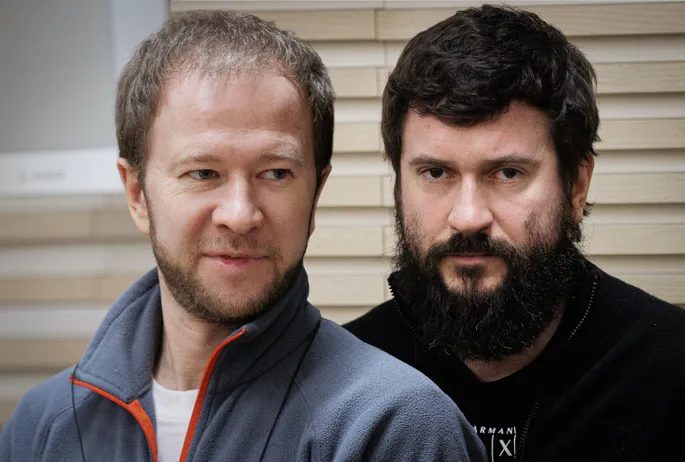
HashFlare Ponzi Founders Get Time Served for $577M Crypto Scheme, Escape Additional JailSergei Potapenko and Ivan Turõgin (Source: Postimees)

The $577 Million Mining Mirage

HashFlare marketed itself as a crypto mining service selling contracts that promised customers shares of profits from blockchain validation activities. Court documents revealed the operation used fake online dashboards showing false mining activity while lacking the computing capacity to mine the vast majority of the claimed cryptocurrency.

The duo’s equipment performed Bitcoin mining at less than one percent of its purported computing power, according to the Justice Department’s official press release.

When investors requested withdrawals, Potapenko and Turõgin either resisted payments or used newly purchased cryptocurrency rather than actual mining rewards.

The defendants diverted millions to purchase real estate, luxury vehicles, expensive jewelry, and over a dozen chartered private jet trips while victims suffered major losses.

Their scheme extended beyond HashFlare to include Polybius Bank, a fictitious “virtual currency bank” that raised $25 million through a 2017 ICO but never operated as an actual financial institution.

The 2023 arrests triggered complex extradition proceedings before Estonia approved their transfer to face U.S. charges in early 2024.

Both men pleaded guilty to conspiracy to commit wire fraud in February, agreeing to forfeit over $400 million in assets while facing a maximum 20-year sentence.

“These defendants were operating a classic Ponzi scheme, involving a glitzy asset: a mirage of cryptocurrency mining,” said Acting U.S. Attorney Teal Luthy Miller.

Lenient Sentences Defy Emerging Pattern of Harsh Crypto Penalties

The HashFlare defendants’ 16-month sentences appear inconsistent with an intensifying judicial trend toward severe punishment for cryptocurrency crimes, regardless of a scheme’s size or complexity.

For instance, Nicholas Truglia’s sentence jumped from 18 months to 12 years for a $22 million SIM-swapping scheme after he failed to pay restitution, with the judge condemning his “splendor” lifestyle while owing victims millions.

Similarly, former rugby player Shane Moore was sentenced to 30 months for a $900,000 mining fraud, receiving nearly double the HashFlare defendants’ custody time for a scheme worth less than 0.2% of their operation.

The sentencing disparity becomes more pronounced when compared with non-crypto financial fraud cases, where defendants typically receive years-long sentences for schemes involving far smaller amounts than HashFlare’s half-billion-dollar operation.

Mohammed Azharuddin Chhipa received 30 years for funneling $185,000 in cryptocurrency to ISIS operatives, a sentence nearly twenty times longer than HashFlare’s founders despite involving vastly smaller amounts.

The contrast also extends beyond specific cases to prosecutorial approach, with Dwayne Golden receiving eight years for a $40 million Ponzi scheme and prosecutors seeking 20 years for former Celsius CEO Alex Mashinsky in a $550 million fraud case.

Legal experts question whether the defendants’ cooperation, asset forfeiture, or other undisclosed factors influenced the unusually lenient outcome for such a massive international fraud.

However, the Justice Department’s consideration of an appeal suggests internal disagreement with the sentence’s proportionality, though appeals of criminal sentences face high legal hurdles and uncertain outcomes.


Market Opportunity
Threshold Logo
Threshold Price(T)
$0.006491
$0.006491$0.006491
+0.98%
USD
Threshold (T) Live Price Chart
Disclaimer: The articles reposted on this site are sourced from public platforms and are provided for informational purposes only. They do not necessarily reflect the views of MEXC. All rights remain with the original authors. If you believe any content infringes on third-party rights, please contact [email protected] for removal. MEXC makes no guarantees regarding the accuracy, completeness, or timeliness of the content and is not responsible for any actions taken based on the information provided. The content does not constitute financial, legal, or other professional advice, nor should it be considered a recommendation or endorsement by MEXC.

You May Also Like

XRP Next Phase Could Mirror Prior Cycle Breakouts If This Happens

XRP Next Phase Could Mirror Prior Cycle Breakouts If This Happens

XRP continues to show strength in its long-term price structure. Crypto commentator XRP Update (@XrpUdate) highlighted in a recent post that the asset consistently
Share
Timestabloid2026/02/25 18:02
The Best Crypto Presale in 2025? Solana and ADA Struggle, but Lyno AI Surges With Growing Momentum

The Best Crypto Presale in 2025? Solana and ADA Struggle, but Lyno AI Surges With Growing Momentum

The post The Best Crypto Presale in 2025? Solana and ADA Struggle, but Lyno AI Surges With Growing Momentum appeared on BitcoinEthereumNews.com. With the development of 2025, certain large cryptocurrencies encounter continuous issues and a new player secures an impressive advantage. Solana is struggling with congestion, and the ADA of Cardano is still at a significantly lower level than its highest price. In the meantime, Lyno AI presale is gaining momentum, attracting a large number of investors. Solana Faces Setbacks Amid Market Pressure However, despite the hype surrounding ETFs, Solana fell by 7% to $ 203, due to the constant congestion problems that hamper its network functionality. This makes adoption slow and aggravates traders who want to get things done quickly. Recent upgrades should combat those issues but the competition is rising, and Solana continues to lag in terms of user adoption and ecosystem development. Cardano Struggles to Regain Momentum ADA, the token of a Cardano, costs 72% less than the 2021 high and is developing more slowly than Ethereum Layer 2 solutions. The adoption of the coin is not making any progress despite the good forecasts. Analysts believe that the road to regain the past heights is long before Cardano can go back, with more technological advancements getting more and more attention. Lyno AI’s Explosive Presale Growth In stark contrast, Lyno AI is currently in its Early Bird presale, in which tokens are sold at 0.05 per unit and have already sold 632,398 tokens and raised 31,462 dollars. The next stage price will be established at $0.055 and the final target will be at $0.10. Audited by Cyberscope , Lyno AI provides a cross-chain AI arbitrage platform that enables retail traders to compete with institutions. Its AI algorithms perform trades in 15+ blockchains in real time, opening profitable arbitrage opportunities to everyone. Those who make purchases above 100 dollars are also offered the possibility of winning in the 100K Lyno AI…
Share
BitcoinEthereumNews2025/09/18 18:22
U.S. Authorities Seize $61M in Crypto Linked to Pig-Butchering Scam

U.S. Authorities Seize $61M in Crypto Linked to Pig-Butchering Scam

U.S. authorities have seized more than $61 million worth of cryptocurrency tied to an investment fraud scheme known as the pig-butchering scam. Federal agents worked
Share
Coinstats2026/02/25 17:46