

ECB Moves Into Final Phase of the Digital Euro Rollout
The European Central Bank (ECB) has entered the final stage of the “Preparation Phase” for the digital euro, as the legislative framework advances toward completion in the European Parliament.
With key decisions now moving through lawmakers, the ECB is positioning the digital euro not as a threat to commercial banks, but as a public digital alternative to private payment networks dominated by firms such as Visa, Mastercard, and PayPal.
Rather than framing the project as a cryptocurrency or investment vehicle, the ECB continues to emphasize that the digital euro is intended to function as digital cash, a direct extension of sovereign money into an increasingly cashless economy.
Digital Cash in a Cashless Economy
At the core of the ECB’s argument is the idea that Europeans are gradually losing access to “public money” as physical cash usage declines. The digital euro is designed to preserve that access in electronic form.
One of the most notable features being tested in 2026 is offline payment functionality. This would allow users to transfer funds directly between devices without an internet connection, closely mirroring the privacy and resilience of physical cash. Offline transactions would not be visible to the ECB, offering a level of anonymity comparable to coins and banknotes.
In addition, the digital euro would carry legal tender status, meaning merchants across the Eurozone would be required to accept it. This differentiates it sharply from cryptocurrencies or stablecoins, which remain optional and privately issued instruments.
Strategic Autonomy and Payment Resilience
The ECB also views the digital euro as a strategic response to Europe’s dependence on non-European payment infrastructure. Currently, a large share of digital transactions in the Eurozone rely on U.S.-based networks.
By introducing a sovereign payment rail operated within Europe, the ECB aims to reduce exposure to geopolitical risk. In the event of technical failures, sanctions, or disruptions affecting foreign payment providers, the digital euro would serve as a fully European fallback system.
Cost reduction is another stated objective. A unified public payment standard could lower the transaction fees that European merchants currently pay to international intermediaries, particularly for small-value retail payments.
Built-In Safeguards Against Bank Disruption
To avoid destabilizing the traditional banking system, the ECB has outlined strict design constraints for the digital euro.
Individual holdings are expected to be capped, likely between €3,000 and €5,000 per user. Any balance exceeding that limit would automatically be redirected into a linked commercial bank account. This mechanism is intended to prevent large-scale transfers of deposits away from banks during periods of stress.
The digital euro will also pay no interest, ensuring it functions strictly as a medium of exchange rather than a savings product. This removes direct competition with bank deposits and limits incentives for long-term hoarding.
On privacy, the ECB has reiterated that it will not track individual transactions. Offline payments would offer full anonymity, while online transactions would use pseudonymized data, preventing the central bank from monitoring personal spending behavior.
Digital Euro Versus Bitcoin
The ECB has been careful to distinguish the digital euro from crypto-assets, which it continues to classify as speculative instruments.
While Bitcoin operates as a decentralized, market-driven asset with transparent on-chain data, the digital euro is centrally issued, pegged one-to-one with the euro, and optimized for stability and daily payments. The two systems serve fundamentally different economic roles and are not designed to compete directly.
What Comes Next
During the week of February 9–13, the European Parliament’s Committee on Economic and Monetary Affairs (ECON) is expected to hold a key hearing on the “Single Currency Package.” This session should clarify final design choices, including holding limits and the precise rollout schedule.
If the legislative process stays on track, the ECB is targeting a public launch window in late 2026 or early 2027, marking a significant shift in how public money functions in the digital age.
The post ECB Moves Into Final Phase of the Digital Euro Rollout appeared first on ETHNews.


You May Also Like
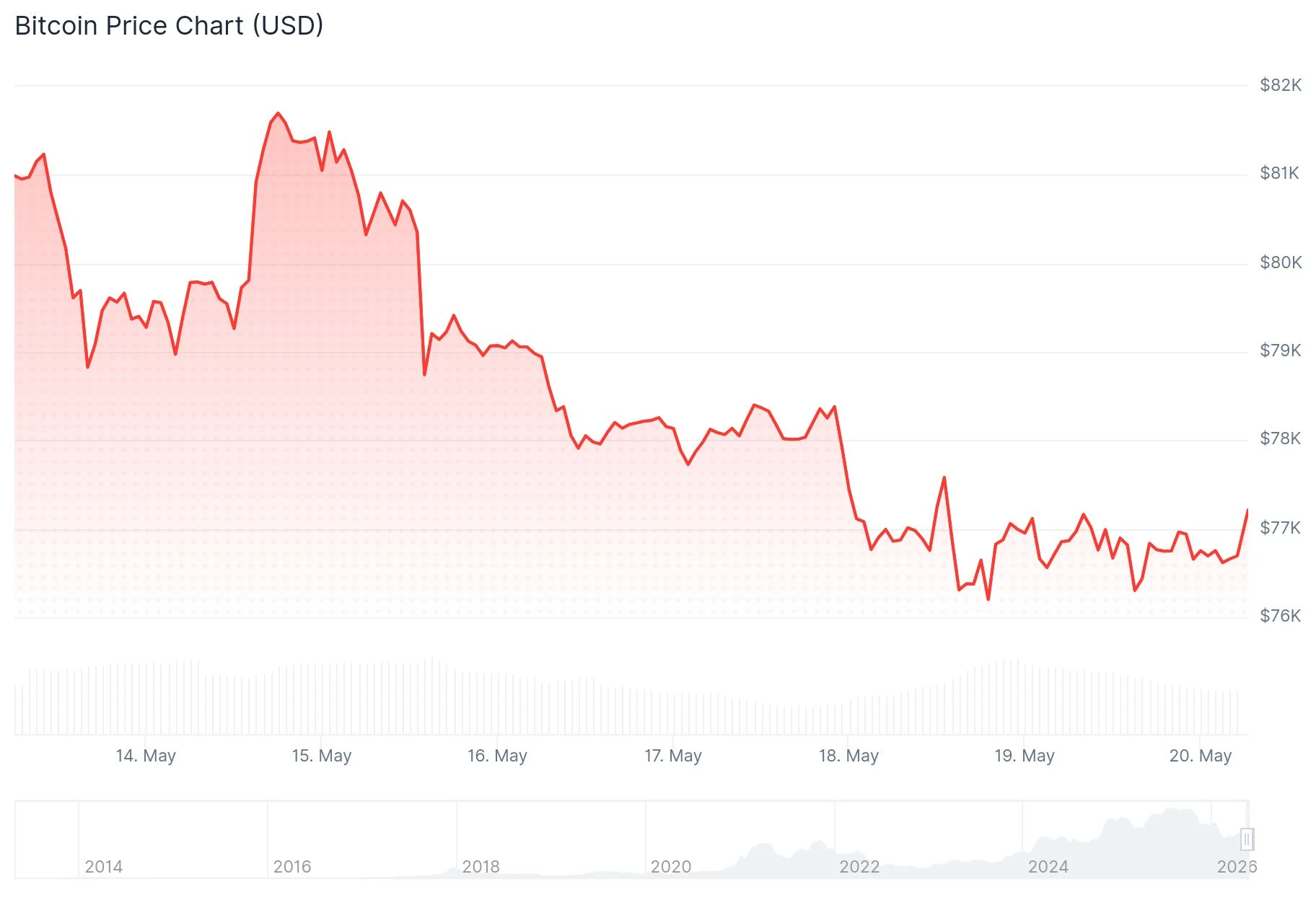
Bitcoin (BTC) Hovers Above $77K Amid Iran Diplomacy and Rising Treasury Yields

Beyond Cleaning: What Else You Must Check Before Moving Out




