

Japanese Yen Surges as Intervention Warnings Follow Takaichi’s Decisive Election Victory
BitcoinWorld
Japanese Yen Surges as Intervention Warnings Follow Takaichi’s Decisive Election Victory
Asian currency markets displayed cautious trading patterns on Monday, October 27, 2025, as the Japanese yen strengthened significantly following explicit intervention warnings from Japanese officials. This market movement occurred directly after Sanae Takaichi secured a decisive victory in Japan’s leadership election, creating immediate implications for regional foreign exchange dynamics and monetary policy coordination.
Yen Intervention Warnings Reshape Asia FX Landscape
Japanese financial authorities issued clear verbal interventions following Takaichi’s election confirmation. Consequently, the yen appreciated approximately 1.8% against the U.S. dollar during early Asian trading hours. Meanwhile, other Asian currencies exhibited muted movements. Specifically, the Chinese yuan remained within its managed trading band. Similarly, the South Korean won and Singapore dollar showed minimal fluctuations. Market analysts attribute this caution to several interconnected factors:
- Policy uncertainty surrounding Japan’s new leadership direction
- Regional currency stability concerns amid divergent economic recoveries
- Federal Reserve policy expectations influencing dollar strength regionally
- Export competitiveness considerations for neighboring economies
Furthermore, trading volumes remained below average across most Asian currency pairs. This suggests institutional investors adopted wait-and-see approaches. Regional central banks reportedly monitored developments closely. They prepared potential response measures if volatility increased significantly.
Takaichi’s Economic Policy Platform and Market Implications
Sanae Takaichi secured victory with 58% of the ruling party vote on October 26, 2025. Her economic policy platform emphasizes several key priorities with direct currency market implications. Historically, Takaichi advocated for maintaining ultra-loose monetary policies. However, she also expressed concerns about excessive yen weakness. This apparent policy tension creates uncertainty about Japan’s future currency stance. Market participants identified several critical policy areas:
| Policy Area | Takaichi’s Position | Market Impact |
|---|---|---|
| Monetary Policy | Continued accommodative stance | Potential yen weakness pressure |
| Currency Intervention | Willingness to act against volatility | Reduced speculative trading |
| Fiscal Policy | Targeted stimulus measures | Increased debt issuance concerns |
| Trade Relations | Export competitiveness focus | Support for managed yen levels |
Additionally, Takaichi previously served as Minister for Economic and Fiscal Policy. This experience provides her with substantial policy implementation knowledge. Financial markets now await her cabinet appointments, particularly the finance minister selection. This appointment will signal Japan’s immediate currency policy direction.
Expert Analysis: Intervention Credibility and Regional Coordination
Currency strategists from major financial institutions provided immediate analysis following the developments. According to Naomi Tanaka, Chief Asia FX Strategist at Mitsubishi UFJ Financial Group, “The intervention warnings carry particular credibility given Takaichi’s known policy preferences. Markets recognize her willingness to utilize Japan’s substantial foreign exchange reserves.” Tanaka further noted that Japan holds approximately $1.3 trillion in foreign currency reserves. This provides substantial intervention capacity if required.
Meanwhile, regional coordination mechanisms activated quietly. The Bank of Korea and Monetary Authority of Singapore reportedly conducted emergency consultations. They discussed potential spillover effects from yen volatility. Historically, sharp yen movements create competitive pressures for regional exporters. These pressures particularly affect automotive and electronics sectors. Consequently, Asian central banks maintain readiness to smooth excessive currency fluctuations.
Historical Context: Japan’s Currency Intervention Framework
Japan maintains a well-established framework for currency market interventions. The Ministry of Finance holds ultimate authority for intervention decisions. The Bank of Japan then executes these decisions in currency markets. Recent history shows several intervention episodes. In 2022, Japan intervened three times to support the yen. These interventions occurred when the dollar-yen rate approached 152. Currently, the rate trades around 148. This suggests intervention remains a credible near-term possibility.
International agreements govern currency intervention practices. The G7 and G20 nations established guidelines regarding disorderly market conditions. Japan typically coordinates major interventions with international partners. However, unilateral actions remain possible during crisis situations. Market participants monitor several intervention indicators:
- Verbal warnings from finance ministry officials
- Rapid currency movements exceeding typical volatility ranges
- Speculative positioning data showing extreme positions
- Economic data releases that might justify policy responses
Furthermore, intervention effectiveness depends on multiple factors. These include timing, magnitude, and accompanying policy signals. Most analysts believe interventions work best when reinforcing underlying policy directions.
Regional Currency Dynamics and Economic Fundamentals
Asian currencies exhibit diverse fundamental positions amid the yen developments. The Chinese yuan maintains stability through daily reference rate management. People’s Bank of China officials emphasized currency stability priorities recently. Meanwhile, South Korea faces different challenges. The won remains sensitive to semiconductor export cycles. Additionally, Singapore’s dollar reflects the city-state’s inflation-focused monetary policy.
Economic recovery patterns vary significantly across the region. Southeast Asian economies generally show stronger growth momentum. Conversely, Northeast Asian economies experience more moderate expansions. These differentials create natural currency policy variations. Regional central banks balance several competing objectives:
- Controlling imported inflation through currency strength
- Supporting export sectors through competitive exchange rates
- Maintaining financial stability amid capital flow volatility
- Preserving foreign exchange reserves for crisis situations
Consequently, most Asian central banks prefer gradual currency adjustments. They generally avoid sharp, disruptive movements. The yen’s recent strength therefore raises careful monitoring. It could alter regional competitive dynamics if sustained.
Market Technicals and Trading Strategy Adjustments
Technical analysts identified key levels following the yen’s movement. The dollar-yen pair broke below its 100-day moving average. This suggests potential further weakness toward 146.50 support. Options markets showed increased demand for yen calls. This indicates growing expectations for additional strength. Meanwhile, risk reversals shifted in favor of yen appreciation.
Hedge funds and institutional investors adjusted positioning accordingly. Many reduced short yen positions accumulated earlier this year. Some established tactical long yen positions against regional currencies. However, position sizes remained moderate overall. This reflects ongoing uncertainty about intervention timing and magnitude. Trading desks reported increased client inquiries about yen exposure management. Corporations with Japanese operations reviewed hedging strategies. They considered potential impacts on supply chain costs and pricing.
Global Macroeconomic Backdrop and Spillover Risks
The yen developments occur within a complex global macroeconomic environment. Federal Reserve policy remains the dominant global currency driver. Markets currently price approximately two rate cuts for 2025. However, recent U.S. inflation data showed unexpected resilience. This creates potential dollar strength that could pressure Asian currencies. European Central Bank policy also influences global capital flows. The euro-yen cross rate attracts particular attention from carry trade participants.
Commodity price movements create additional complexity. Oil prices remain elevated due to geopolitical tensions. This affects Asian import bills and trade balances. Meanwhile, industrial metal prices reflect Chinese demand patterns. These commodity linkages influence currency valuations through multiple channels. Analysts identified several potential spillover risks:
| Risk Category | Transmission Channel | Potential Impact |
|---|---|---|
| Financial Contagion | Carry trade unwinding | Increased volatility across Asia |
| Trade Competition | Export price adjustments | Sectoral redistribution |
| Policy Divergence | Central bank responses | Interest rate differential changes |
| Capital Flows | Portfolio reallocation | Equity and bond market movements |
International institutions monitor these developments closely. The International Monetary Fund recently emphasized orderly currency adjustment importance. It warned against competitive devaluation risks. Meanwhile, the Bank for International Settlements highlighted currency hedge ratio increases. This suggests corporate caution about potential volatility.
Conclusion
Asia FX markets entered a cautious phase following Sanae Takaichi’s election victory and subsequent yen intervention warnings. The Japanese yen strengthened significantly while regional currencies showed limited movements. This reflects market assessment of Japan’s renewed willingness to manage currency levels. Takaichi’s policy platform suggests continued accommodative monetary policy alongside currency stability concerns. Regional central banks maintain readiness to address potential spillover effects. Market participants now focus on several near-term developments. These include Japan’s cabinet appointments, upcoming economic data releases, and actual intervention decisions. The Asia FX landscape therefore remains sensitive to both policy signals and fundamental developments. Careful monitoring continues across trading desks and policy institutions alike.
FAQs
Q1: Why did the Japanese yen strengthen after Takaichi’s election?
The yen strengthened due to explicit currency intervention warnings from Japanese officials following Takaichi’s victory. Markets interpreted these warnings as increased likelihood of actual intervention if yen weakness becomes excessive.
Q2: How does Japan typically intervene in currency markets?
Japan’s Ministry of Finance makes intervention decisions, which the Bank of Japan then executes by buying or selling yen in foreign exchange markets. Interventions often involve substantial amounts, sometimes exceeding $20 billion in a single day.
Q3: What are the main factors causing Asia FX markets to remain muted?
Asian currencies show limited movement due to cautious investor sentiment, regional policy coordination, export competitiveness concerns, and anticipation of further developments in Japan’s policy direction under new leadership.
Q4: How might yen intervention affect other Asian economies?
Sustained yen strength could affect regional export competitiveness, particularly in automotive and electronics sectors. It might also influence capital flows and carry trade dynamics across Asian financial markets.
Q5: What indicators suggest actual currency intervention might occur?
Markets watch for rapid yen movements exceeding typical volatility, extreme speculative positioning, continued verbal warnings from officials, and specific technical levels being breached, particularly around the 150 yen per dollar level.
This post Japanese Yen Surges as Intervention Warnings Follow Takaichi’s Decisive Election Victory first appeared on BitcoinWorld.


You May Also Like
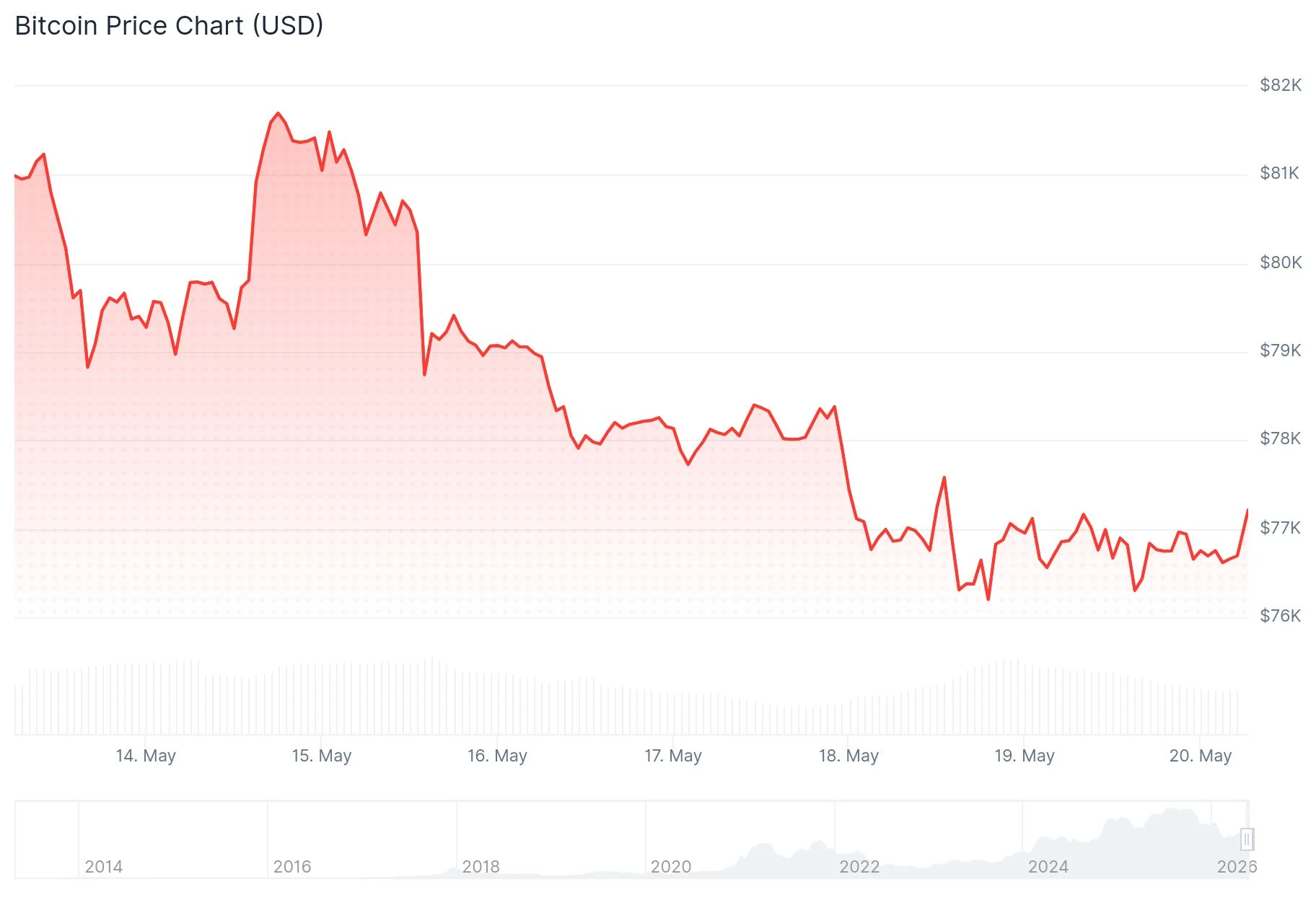
Bitcoin (BTC) Hovers Above $77K Amid Iran Diplomacy and Rising Treasury Yields

Beyond Cleaning: What Else You Must Check Before Moving Out




