

Blutic’s GTM Verification: Why Google-Approved Consent Is Now a CX Imperative
Google-Verified Consent Is the New CX Battleground: What Blutic’s GTM Verification Certification Signals for CX & EX Leaders in India
Imagine this.
A returning customer lands on your website.
They want to complete a payment quickly.
Instead, they’re hit with a clunky cookie banner.
Three clicks. Two reloads. One moment of doubt.
They leave.
Not because your product failed.
Because your trust moment did.
In 2026, customer experience is no longer just about speed or design.
It’s about how respectfully you handle customer data—without friction.
That’s why Neokred’s announcement regarding Blutic’s GTM Verification matters.
Blutic, Neokred’s in-house consent management platform, has officially been verified on Google Tag Manager (GTM)—placing Neokred among a small group of Indian companies recognised by Google after rigorous technical and security evaluation.
For CX, EX, and digital leaders, this isn’t just a compliance milestone.
It’s a signal shift in how privacy, consent, analytics, and experience now intersect.
Let’s unpack why this matters—and what CX leaders should do next.
What Is Blutic and Why Should CX Teams Care?
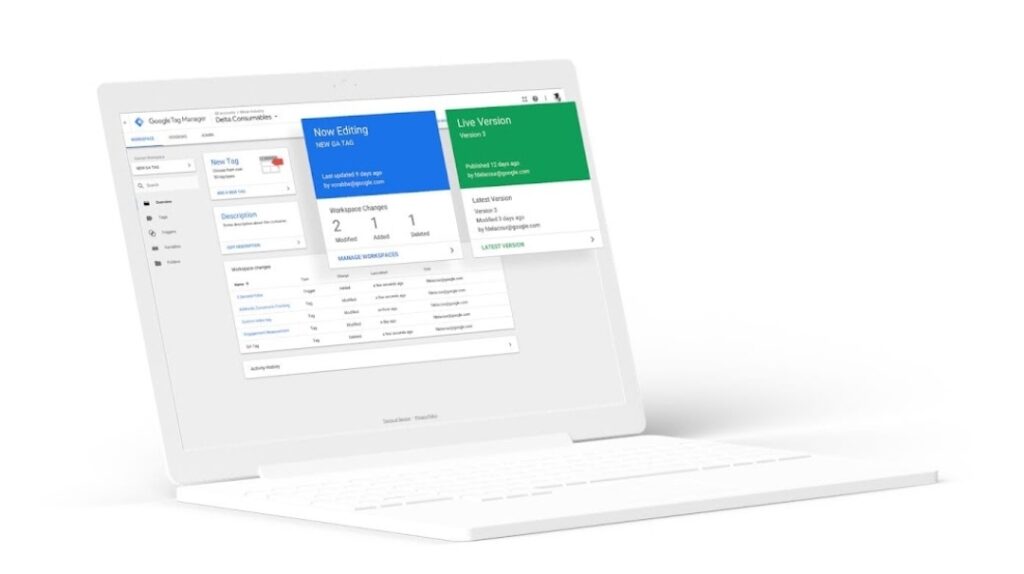
Blutic is Neokred’s DPDP Act–ready consent and cookie management platform, now officially verified by Google Tag Manager.
In simple terms, Blutic helps enterprises collect, manage, and honour user consent for cookies, analytics, and advertising—without breaking the customer journey.
But CX teams should care because:
- Consent moments are experience moments
- Broken consent flows destroy trust silently
- Privacy friction now directly impacts conversion, loyalty, and brand perception
With GTM verification, Blutic moves from “another CMP” to experience-grade infrastructure.
Why Does Google Tag Manager Verification Matter So Much?
GTM verification means Google has approved Blutic’s security, technical architecture, and compatibility standards.
That’s not cosmetic. It changes how teams operate.
A. For CX and Marketing Teams
- Faster deployment with pre-approved GTM templates
- Fewer errors during tag firing
- Cleaner analytics data tied to valid consent
B. For Engineering and EX Teams
- Minimal custom coding
- Centralised consent logic
- Reduced firefighting across environments
C. For Customers
- Simple, fast cookie banners
- Clear choices without manipulation
- Trust that their preferences are respected across sessions
In CX terms, this is invisible excellence—the best kind.
Why Is Consent Now a CX Priority, Not Just Legal Hygiene?
Because customers now judge brands by how they treat their data—especially when no one is watching.
India’s Digital Personal Data Protection (DPDP) Act has accelerated this shift.
Consent is no longer optional.
It must be:
- Explicit
- Purpose-driven
- Revocable
- Auditable
But here’s the CX reality.
Most organisations still treat consent as:
- A legal checkbox
- A siloed compliance task
- A marketing afterthought
That’s where journeys fracture.
How Do Poor Consent Experiences Break Customer Journeys?
Consent failures quietly sabotage trust, analytics, and personalisation.
Common CX symptoms include:
- Cookie banners blocking content
- Analytics firing before consent
- Ads running despite opt-outs
- Users unable to modify preferences later
Each issue feels small.
Together, they signal disrespect.
In regulated industries—BFSI, healthcare, fintech—that cost is multiplied.
How Blutic Changes the Consent Experience Model
Blutic is designed for granular, purpose-driven consent—aligned with real customer intent.
Key capabilities include:
- Accept, deny, customise, or withdraw consent anytime
- Clear visibility into how data is used
- Centralised control for enterprises
- Compatibility with Google Analytics, Ads, and GTM tags
With GTM verification, enterprises can ensure tags fire only after valid consent.
That’s not just compliant.
That’s respectful CX design.
What Makes Blutic Different from Typical CMPs?
Blutic is infrastructure-first, not banner-first.
Many CMPs focus on:
- UI overlays
- Cosmetic compliance
- Region-specific hacks
Blutic focuses on:
- System-level consent logic
- Clean data pipelines
- Long-term auditability
This aligns with Neokred’s broader positioning as a modular digital infrastructure provider.
Their ecosystem spans:
- Profiling (ProfileX)
- Payments & collections (Collectbot)
- Consent & privacy (Blutic)
- Device infrastructure (Uniq)
Consent isn’t bolted on.
It’s built into the rails.
Why This Timing Matters for Indian Enterprises
India is entering its first true privacy-native CX era.
DPDP enforcement is tightening.
Customer awareness is rising.
Global partners expect compliance parity.
Organisations can no longer rely on:
- Manual consent logs
- Fragmented scripts
- Region-specific workarounds
Blutic’s GTM verification arrives at a moment when enterprises need operationalised compliance, not policy decks.
As Rohith Reji, Co-founder & CEO of Neokred, puts it:
That trust now extends to CX leaders responsible for experience integrity.
How Does This Impact Analytics and Personalisation?
Clean consent equals clean data.
When consent is mishandled:
- Analytics becomes polluted
- Attribution breaks
- Personalisation loses credibility
With GTM-verified consent:
- Data fires only after approval
- Attribution reflects real user intent
- Insights remain defensible during audits
Tarun Nazare, Co-founder and Managing Director, highlights this balance:
For CX leaders, that’s the holy grail.
A Practical CX Framework: Consent as a Journey Moment
Treat consent as a micro-journey, not a modal.
Here’s a simple framework CX teams can apply:
1. Entry Moment
Where consent appears in the journey matters.
- First visit
- Checkout
- Login
- Content gate
Map emotional context before showing consent.
2. Choice Clarity
Avoid dark patterns.
- Plain language
- Equal weight to accept and decline
- Clear purposes
3. Operational Integrity
Ensure systems honour choices.
- No premature tag firing
- No shadow tracking
- No silent overrides
4. Return Control
Let users modify consent easily.
- Account settings
- Footer links
- Persistent access
Blutic enables this end-to-end.
Common Pitfalls CX Teams Still Make
Even well-meaning teams get consent wrong.
Watch out for these traps:
- Treating CMPs as marketing tools
- Letting vendors manage consent logic
- Ignoring employee experience during implementation
- Measuring consent success only by opt-in rates
Consent success should be measured by:
- Trust retention
- Journey continuity
- Data accuracy
- Complaint reduction
What This Means for Employee Experience (EX)
Bad consent systems create internal chaos.
Without centralised control:
- Marketing blames legal
- Legal blames tech
- Tech blames vendors
GTM-verified platforms reduce:
- Implementation friction
- Cross-team conflict
- Compliance anxiety
That’s EX impact most leaders overlook.
Key Insights for CXQuest Readers
- Consent is now a brand interaction
- GTM verification signals enterprise-grade maturity
- DPDP compliance must be operational, not manual
- Clean consent improves analytics quality
- Privacy-first CX builds long-term loyalty
This is where CX strategy meets infrastructure reality.
FAQ: Consent, CX, and Blutic
Is GTM verification mandatory for CMPs?
No, but it signals higher trust, security, and compatibility standards.
Does consent management affect conversion rates?
Yes. Friction-heavy consent reduces engagement and completion rates.
How does DPDP differ from GDPR in CX terms?
DPDP emphasises purpose limitation and explicit consent in Indian contexts.
Can CMPs coexist with personalisation?
Yes, when consent logic controls data activation properly.
Is this relevant outside BFSI and healthcare?
Absolutely. Ecommerce, SaaS, and media platforms face the same trust expectations.
Actionable Takeaways for CX & EX Leaders
- Audit your current consent flow as a customer journey.
- Check if tags fire before consent—fix immediately.
- Centralise consent ownership across CX, legal, and tech.
- Measure trust signals, not just opt-in percentages.
- Choose GTM-verified platforms to reduce implementation risk.
- Train teams on DPDP from a CX lens, not legal jargon.
- Design consent as an experience, not an interruption.
- Revisit analytics strategies to align with valid consent.
Final Thought
The future of customer experience won’t be won by louder banners or smarter nudges.
It will be won quietly—
by brands that respect choice,
honour intent,
and make privacy feel effortless.
Blutic’s GTM verification isn’t just a Neokred milestone.
It’s a glimpse of where CX in India is headed next.
The post Blutic’s GTM Verification: Why Google-Approved Consent Is Now a CX Imperative appeared first on CX Quest.


You May Also Like

Sky Quarry (SKYQ) Stock Doubles in a Day — Here’s Why Nevada’s Only Refinery Matters Now

Lummis says Clarity Act floor vote likely before August

ETH Enters High-Stakes Decision Zone



