

Euro Area Inflation Alert: Above-Potential GDP Growth Sparks Significant Price Pressure – Nomura Analysis
BitcoinWorld
Euro Area Inflation Alert: Above-Potential GDP Growth Sparks Significant Price Pressure – Nomura Analysis
FRANKFURT, March 2025 – The Euro area economy demonstrates robust expansion exceeding its potential growth rate, according to fresh analysis from Nomura. This development creates substantial inflationary pressures that challenge current monetary policy frameworks. Consequently, European Central Bank officials face complex decisions regarding interest rate trajectories and quantitative tightening measures.
Understanding Above-Potential GDP Growth in the Euro Area
Nomura’s research team identifies a critical economic threshold where actual Gross Domestic Product surpasses potential GDP. Potential GDP represents the maximum sustainable output an economy produces without generating excessive inflation. When actual growth exceeds this level, resource utilization intensifies significantly. Labor markets tighten, production capacities strain, and price pressures naturally emerge across supply chains.
The Eurozone currently experiences this exact scenario. Manufacturing output reaches near-capacity levels while service sector activity accelerates beyond pre-pandemic trends. Furthermore, consumer spending maintains resilience despite previous interest rate increases. This combination creates a potent inflationary mix that monetary policy must address carefully.
The Inflation Transmission Mechanism
Several interconnected channels transmit above-potential growth into consumer price increases. First, wage growth accelerates as employers compete for limited skilled workers. Second, businesses face higher input costs from strained supply networks. Third, pricing power strengthens across industries as demand outpaces supply. Finally, inflation expectations may become unanchored if consumers anticipate persistent price rises.
Nomura’s Analytical Framework and Methodology
Nomura economists employ sophisticated modeling techniques to assess the Euro area’s output gap. Their analysis incorporates multiple data streams including industrial production indices, capacity utilization rates, and labor market statistics. The methodology also considers structural factors like demographic trends and productivity growth patterns.
The research distinguishes between cyclical and structural economic components. Cyclical elements respond to monetary policy adjustments while structural factors require longer-term solutions. Currently, both components contribute to the above-potential growth situation, complicating policy responses.
| Indicator | 2024 Actual | 2025 Forecast | Potential Level |
|---|---|---|---|
| GDP Growth Rate | 2.3% | 2.1% | 1.8% |
| Core Inflation | 3.2% | 2.8% | 2.0% |
| Unemployment Rate | 6.5% | 6.3% | 6.8% |
| Capacity Utilization | 83.7% | 84.2% | 82.0% |
Historical Context and Comparative Analysis
The current economic situation echoes previous episodes of above-potential growth in European economic history. The post-reunification German boom during the early 1990s demonstrated similar dynamics. Additionally, the pre-global financial crisis period showed comparable output gaps across several Eurozone economies.
However, important distinctions exist between historical precedents and current conditions. Digital transformation alters productivity measurements while climate transition investments create new economic sectors. Global supply chain reconfiguration introduces additional complexity to traditional economic models. These factors necessitate nuanced interpretation of standard economic indicators.
Regional Variations Within the Euro Area
Significant disparities emerge across Eurozone member states regarding output gaps and inflationary pressures. Northern European economies generally exhibit tighter labor markets and higher capacity utilization. Meanwhile, southern European nations show more gradual recovery trajectories with greater labor market slack.
This divergence creates challenges for the European Central Bank’s one-size-fits-all monetary policy. Policymakers must balance overheating risks in some regions against subdued inflation in others. Consequently, the transmission mechanism of monetary policy operates unevenly across the currency union.
Policy Implications and Central Bank Responses
The European Central Bank faces delicate balancing decisions according to Nomura’s analysis. Maintaining restrictive monetary policy for extended periods risks excessive economic cooling. However, premature policy easing could entrench inflationary expectations and require more aggressive future interventions.
Several policy tools remain available to address the situation:
- Interest Rate Adjustments: Fine-tuning the main refinancing operations rate
- Balance Sheet Policies: Accelerating or decelerating quantitative tightening
- Forward Guidance: Communicating policy intentions to shape market expectations
- Macroprudential Measures: Addressing financial stability concerns separately
Market participants closely monitor ECB communications for signals about policy direction. Recent statements emphasize data-dependent decision-making with particular attention to wage growth trends and productivity developments. This approach allows flexibility while maintaining inflation-fighting credibility.
Sectoral Impacts and Market Consequences
Different economic sectors experience varying effects from above-potential growth conditions. Cyclical industries like construction and manufacturing face immediate capacity constraints. Meanwhile, technology and services sectors demonstrate greater adaptability through digital solutions and remote work arrangements.
Financial markets respond to these developments through several channels. Bond yields reflect inflation expectations and anticipated policy responses. Equity valuations incorporate profitability projections under different economic scenarios. Currency markets assess relative monetary policy trajectories between the Eurozone and other major economies.
Corporate decision-makers adjust strategies based on these economic conditions. Investment timing, hiring plans, and pricing strategies all require reconsideration. Additionally, supply chain management becomes increasingly crucial as bottlenecks emerge in production networks.
Long-Term Structural Considerations
Sustained above-potential growth eventually influences economic structures. Productive capacity expands through increased investment in capital equipment and technology. Labor force participation may rise as previously inactive workers respond to improved opportunities. Innovation accelerates under competitive pressure and resource constraints.
However, these structural improvements require supportive policy environments. Education systems must develop relevant skills while regulatory frameworks should encourage productive investment. Infrastructure development needs alignment with emerging economic patterns and technological possibilities.
Conclusion
Nomura’s analysis highlights significant Euro area economic developments with above-potential GDP growth driving inflationary pressures. This situation requires careful policy management to maintain price stability while supporting sustainable expansion. The European Central Bank’s upcoming decisions will crucially influence economic trajectories across the currency union.
Market participants should monitor key indicators including wage settlements, productivity data, and capacity utilization metrics. These factors will determine whether current growth patterns represent temporary cyclical strength or more persistent structural shifts. Ultimately, balanced policy responses can harness positive growth dynamics while containing inflationary risks across the Euro area.
FAQs
Q1: What does “above-potential GDP” mean in economic terms?
Above-potential GDP occurs when an economy’s actual output exceeds its maximum sustainable production capacity without generating excessive inflation. This situation typically leads to resource constraints, wage pressures, and accelerating price increases across various sectors.
Q2: How does Nomura measure potential GDP growth for the Euro area?
Nomura employs sophisticated economic models incorporating demographic trends, productivity estimates, capital stock measurements, and technological progress indicators. The analysis uses statistical filtering techniques to separate cyclical fluctuations from underlying structural growth patterns.
Q3: What are the main risks associated with sustained above-potential growth?
Primary risks include entrenched inflation expectations, financial instability from excessive credit growth, loss of external competitiveness through currency appreciation, and eventual economic overheating requiring sharp policy corrections that could trigger recessions.
Q4: How do different Eurozone countries experience this economic situation?
Significant divergence exists across member states. Northern European economies generally face tighter capacity constraints and stronger wage pressures, while southern European nations exhibit more labor market slack and gradual recovery patterns, creating challenges for uniform monetary policy.
Q5: What indicators should investors monitor regarding this economic development?
Key indicators include core inflation measures excluding volatile components, wage growth statistics particularly from collective bargaining agreements, capacity utilization rates in manufacturing, productivity growth metrics, and business investment surveys across different Eurozone economies.
This post Euro Area Inflation Alert: Above-Potential GDP Growth Sparks Significant Price Pressure – Nomura Analysis first appeared on BitcoinWorld.


You May Also Like
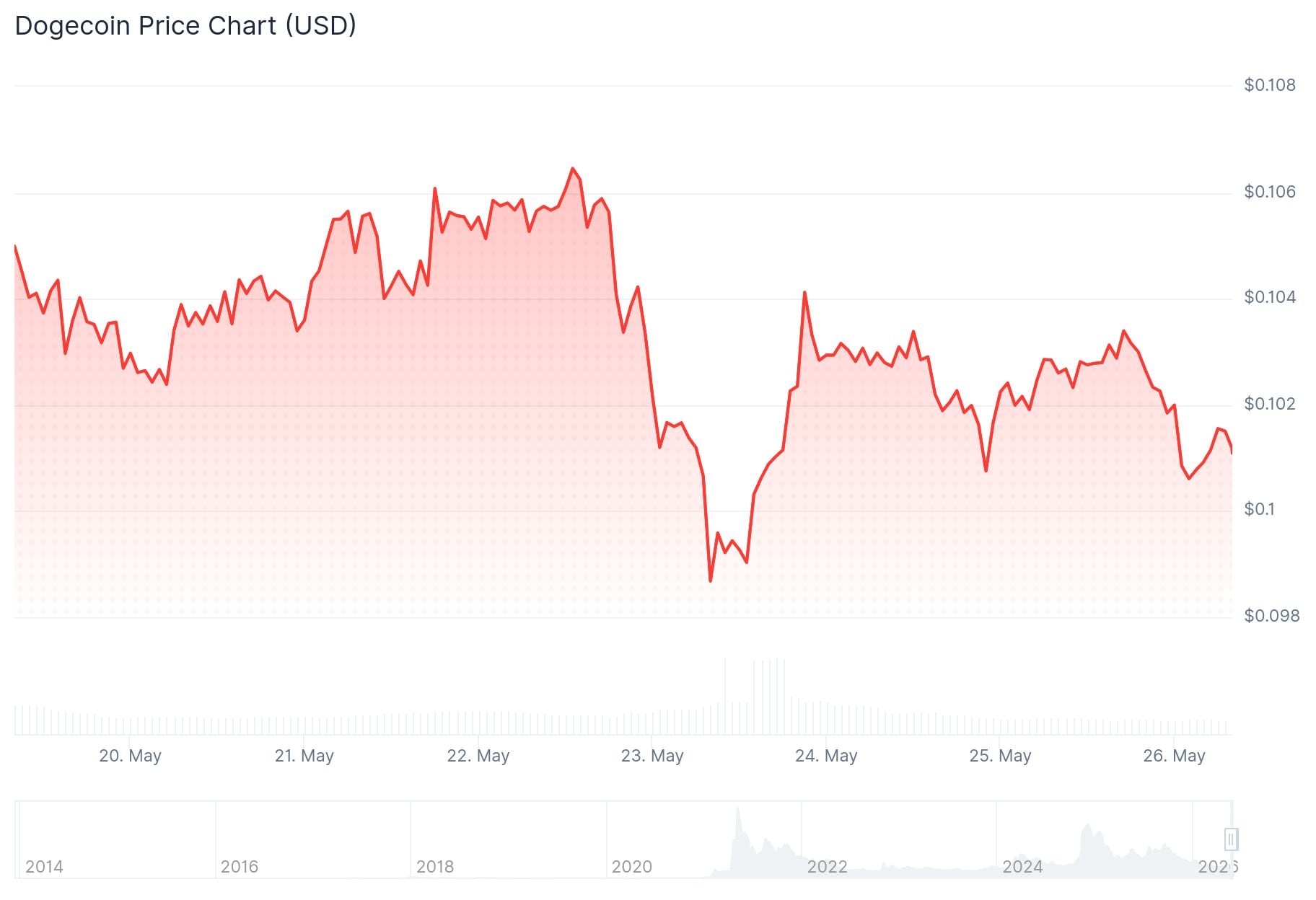
Dogecoin (DOGE) Price: ETF Inflows Hold Steady for Four Weeks as Price Tests Key Support

Chainlink Whale Activity Rises While Price Bleeds for 7 Straight Months
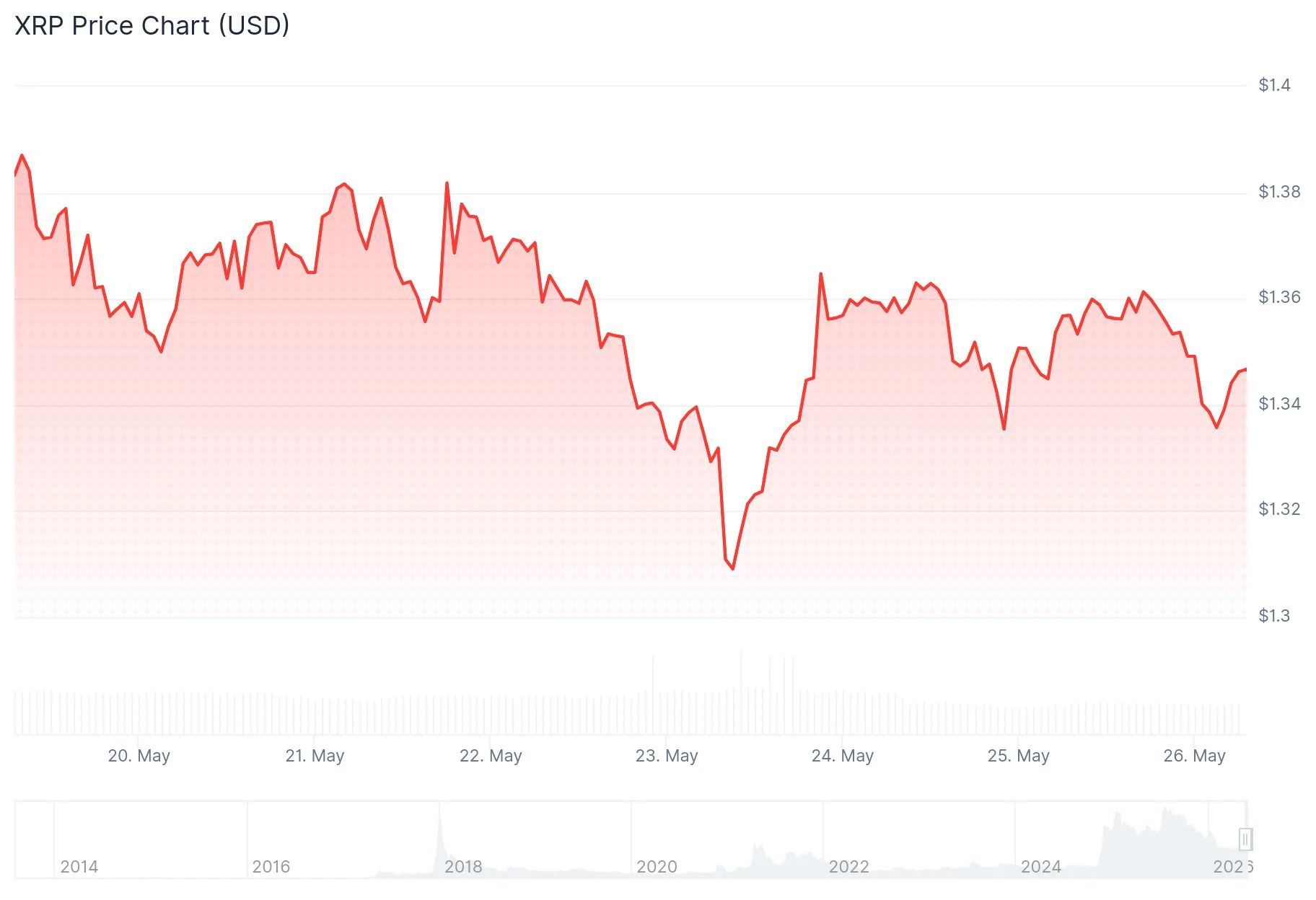
Chris Larsen’s $3.5B XRP Holdings See Fresh Blockchain Movement



