

MATIC Traders Are Looking Past Polygon – HFDX Is Where the Smart Money Lands
Polygon built its reputation as one of the most accessible Layer 2 networks in crypto, offering cheap gas and fast confirmations. But the past several months have shaken that foundation. The migration from MATIC to POL created confusion among holders, trading volumes on Polygon-native DEXs have slipped noticeably, and total value locked across the ecosystem has been steadily declining through late 2025.
That frustration is now translating into real capital movement. A growing wave of MATIC traders is rotating funds into protocols purpose-built for derivatives, where liquidity depth and execution quality are the product rather than an afterthought. One platform picking up serious momentum in this migration is HFDX, a decentralized perpetual futures protocol designed for non-custodial, professional-grade trading.
Polygon’s Thinning Liquidity Is Costing Traders Where It Hurts Most
The token swap from MATIC to POL was touted as a simple technical upgrade. In reality, this diluted the liquidity throughout the ecosystem. Traders using native platforms on Polygon are now forced to contend with increasingly poor fills. When you’re trading leveraged positions on perpetuals, these little differences add up quickly.
The data support what traders are feeling firsthand. Several major DeFi protocols on Polygon have reported meaningful TVL declines since mid-2025, and perpetual trading volume on the network now trails competitors operating on Arbitrum, Base, and Solana by a widening margin. That gap is not cosmetic. It represents a structural disadvantage for anyone who depends on deep, responsive pools to get in and out of positions without giving up edge to slippage.
None of this is a death notice for Polygon. The network still has a large developer community and serious infrastructure backing it. But traders who need consistent execution quality right now are not in a position to sit around hoping for a recovery. They are moving to platforms where liquidity for derivatives is the central design priority, and HFDX is one of the names that keep coming up.
Why Former MATIC Traders Are Giving HFDX a Serious Second Look
HFDX was not built as a generic swap venue that bolted on perpetuals to check a box. It is a ground-up protocol for on-chain perpetual futures and structured capital deployment, running every trade against a shared liquidity pool priced through decentralized oracle feeds. This removes dependence on centralized market makers and delivers transparent, verifiable pricing on every single position.
What catches many traders off guard once they dig in is the Liquidity Loan Note (LLN) system, a framework that lets participants commit capital to protocol liquidity for fixed-rate returns over a stated term, funded entirely by real trading and borrowing fees instead of inflationary token rewards.
Here is why analysts tracking the MATIC-to-HFDX rotation are paying close attention to this protocol:
- Every trade and liquidity interaction settles through smart contracts with zero platform custody of user funds.
- The shared pool execution model removes the order-book dependency, resulting in tighter fills even during high-volatility sessions.
- LLN strategies pay returns from actual protocol revenue, not from token printing or unsustainable emission schedules.
- Automated on-chain risk parameters control liquidations and capital allocation without centralized manual intervention.
One thing needs to be stated plainly: HFDX does not promise guaranteed returns or risk-free participation of any kind. Trading perpetuals and committing capital through LLN strategies both carry real risk tied to market conditions, smart contract execution, and overall protocol performance. That kind of directness is precisely what draws experienced traders who are tired of projects that lead with hype and bury the fine print.
For MATIC holders watching their trading environment thin out beneath them, HFDX offers something that has become genuinely scarce in DeFi: infrastructure built around execution quality and real economic fundamentals, not empty narrative.
Make Your Money Work Smarter And Unlock A Wealth Of Opportunities With HFDX Today!
Website: https://hfdx.xyz/
Telegram: https://t.me/HFDXTrading
X: https://x.com/HfdxProtocol
Disclaimer: This is a paid post and should not be treated as news/advice. LiveBitcoinNews is not responsible for any loss or damage resulting from the content, products, or services referenced in this press release
The post MATIC Traders Are Looking Past Polygon – HFDX Is Where the Smart Money Lands appeared first on Live Bitcoin News.


You May Also Like
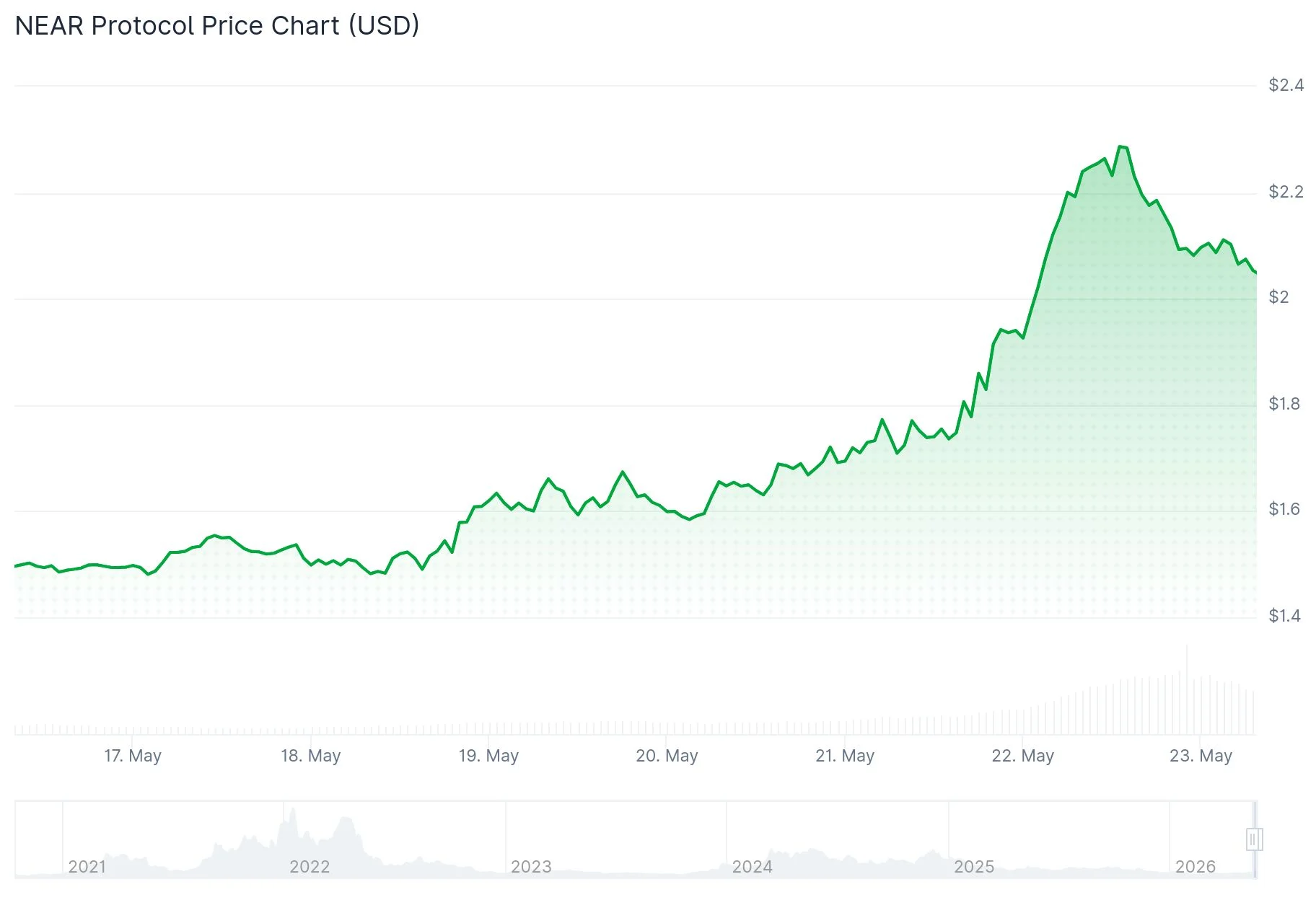
NEAR Protocol (NEAR) Skyrockets 50% After Arthur Hayes Names It a Top Altcoin Pick

Saylor Signals Possible 2026 Bitcoin Sale by MicroStrategy

Fed Governor Calls For Strong Stablecoin Oversight As CLARITY Act’s Final Text Gets Delayed



