BitcoinWorld XRP ETF: 21Shares’ Momentous Delaware Registration Unlocks New Investment Horizons The cryptocurrency world is buzzing with a truly significant development: the official registration of an XRP ETF by 21Shares in Delaware, USA. This exciting news, initially reported by JinSe Finance, marks a pivotal moment for Ripple’s native digital asset, XRP, and its journey towards broader institutional acceptance. For investors and enthusiasts alike, this move signals a growing maturity in the digital asset landscape and potentially opens new avenues for mainstream investment. What Does the 21Shares XRP ETF Registration Mean? When a major player like 21Shares, a prominent issuer of crypto ETPs (Exchange Traded Products), registers an XRP ETF, it’s a big deal. Essentially, an ETF allows investors to gain exposure to an asset, in this case, XRP, without directly owning or managing the underlying cryptocurrency. This structure offers several advantages, particularly for traditional investors who might be hesitant about the complexities of direct crypto purchases and storage. Simplified Access: Investors can buy and sell shares of the ETF through conventional brokerage accounts. Regulatory Comfort: ETFs operate within regulated frameworks, potentially easing concerns for institutional investors. Diversification Potential: Offers a straightforward way to add digital asset exposure to a diversified portfolio. The registration in Delaware, a state known for its business-friendly legal environment, is a crucial first step in the lengthy process of bringing such a product to market. It doesn’t mean the ETF is immediately available for trading, but it certainly indicates serious intent and progress. Why is this a Game-Changer for XRP Investment? The potential launch of an XRP ETF could dramatically alter the investment landscape for XRP. Currently, many institutional investors face hurdles due to regulatory uncertainties or the operational complexities of holding digital assets. An ETF provides a regulated, accessible, and familiar vehicle. Consider the impact Bitcoin ETFs had on BTC’s price and institutional adoption. While not a direct comparison due to XRP’s ongoing legal situation with the SEC, the principle remains: increased accessibility often leads to increased demand and liquidity. This registration could be a powerful catalyst for XRP, drawing in a new wave of capital from traditional finance. This development is particularly noteworthy given the ongoing legal battles surrounding XRP. The fact that 21Shares is moving forward suggests a degree of confidence in XRP’s future regulatory clarity, especially after recent court rulings provided some positive momentum for Ripple. Navigating the Path to a Live XRP ETF While the Delaware registration is a positive indicator, it is just one step. The journey to an actively traded XRP ETF involves several regulatory hurdles, most notably approval from the U.S. Securities and Exchange Commission (SEC). The SEC’s stance on various cryptocurrencies, including XRP, has been a significant factor in the delay of many crypto-related investment products. However, the landscape is evolving. The approval of spot Bitcoin ETFs earlier this year has set a precedent, potentially paving the way for other single-asset crypto ETFs. The crypto community will be closely watching for further announcements and filings, particularly with the SEC, to understand the timeline and likelihood of this XRP ETF becoming a reality. This initiative by 21Shares demonstrates a proactive approach, anticipating future market demands and regulatory clarity. It highlights the growing institutional interest in digital assets beyond just Bitcoin and Ethereum, signaling a broader acceptance of the asset class. What Are the Potential Benefits and Challenges of an XRP ETF? An XRP ETF offers several compelling benefits: Increased Liquidity: A successful ETF can significantly boost XRP’s trading volume and market liquidity. Price Discovery: Enhanced institutional participation can lead to more efficient price discovery. Mainstream Adoption: Bridging the gap between traditional finance and crypto, fostering wider acceptance. However, challenges remain: Regulatory Approval: The SEC’s final decision is paramount and can be unpredictable. Market Volatility: XRP, like other cryptocurrencies, is subject to high price volatility, which an ETF would also reflect. Competition: Other firms might also pursue similar products, leading to a competitive market. Despite these challenges, the registration of the 21Shares XRP ETF is undeniably a significant milestone, reflecting growing confidence in XRP’s potential as a viable investment asset. In conclusion, 21Shares’ registration of an XRP ETF in Delaware is a powerful statement about the future of digital asset investments. It represents a proactive move by a major financial institution to meet evolving investor demand and embrace the potential of cryptocurrencies. While the road to full regulatory approval is still ahead, this development injects renewed optimism into the XRP community and underscores the irreversible trend of digital assets integrating into mainstream finance. This is more than just a registration; it’s a glimpse into a future where accessing innovative digital assets like XRP becomes as straightforward as investing in traditional stocks. Frequently Asked Questions (FAQs) 1. What is an XRP ETF? An XRP ETF (Exchange Traded Fund) is an investment vehicle that allows investors to gain exposure to the price movements of XRP without directly owning or managing the underlying cryptocurrency. It trades on traditional stock exchanges. 2. Does this registration mean the XRP ETF is available for trading? No, the Delaware registration is an initial legal step. The ETF still requires further regulatory approvals, most notably from the U.S. Securities and Exchange Commission (SEC), before it can be listed and traded on exchanges. 3. Why is Delaware significant for this registration? Delaware is known for its business-friendly corporate laws and is a common jurisdiction for registering trusts and funds. This registration signifies a formal intent by 21Shares to pursue the launch of an XRP ETF. 4. How might an XRP ETF impact XRP’s price? The potential launch of an XRP ETF could lead to increased institutional investment and broader market access, which historically has contributed to higher demand, liquidity, and potentially a positive impact on XRP’s price. 5. What are the main challenges for the 21Shares XRP ETF? The primary challenge is securing regulatory approval from the SEC, which has historically been cautious about cryptocurrency ETFs. Other challenges include market volatility and competition from other potential crypto investment products. If you found this insight into the 21Shares XRP ETF registration valuable, share it with your network! Help us spread awareness about these exciting developments in the cryptocurrency investment space. To learn more about the latest explore our article on key developments shaping XRP institutional adoption. This post XRP ETF: 21Shares’ Momentous Delaware Registration Unlocks New Investment Horizons first appeared on BitcoinWorld and is written by Editorial TeamBitcoinWorld XRP ETF: 21Shares’ Momentous Delaware Registration Unlocks New Investment Horizons The cryptocurrency world is buzzing with a truly significant development: the official registration of an XRP ETF by 21Shares in Delaware, USA. This exciting news, initially reported by JinSe Finance, marks a pivotal moment for Ripple’s native digital asset, XRP, and its journey towards broader institutional acceptance. For investors and enthusiasts alike, this move signals a growing maturity in the digital asset landscape and potentially opens new avenues for mainstream investment. What Does the 21Shares XRP ETF Registration Mean? When a major player like 21Shares, a prominent issuer of crypto ETPs (Exchange Traded Products), registers an XRP ETF, it’s a big deal. Essentially, an ETF allows investors to gain exposure to an asset, in this case, XRP, without directly owning or managing the underlying cryptocurrency. This structure offers several advantages, particularly for traditional investors who might be hesitant about the complexities of direct crypto purchases and storage. Simplified Access: Investors can buy and sell shares of the ETF through conventional brokerage accounts. Regulatory Comfort: ETFs operate within regulated frameworks, potentially easing concerns for institutional investors. Diversification Potential: Offers a straightforward way to add digital asset exposure to a diversified portfolio. The registration in Delaware, a state known for its business-friendly legal environment, is a crucial first step in the lengthy process of bringing such a product to market. It doesn’t mean the ETF is immediately available for trading, but it certainly indicates serious intent and progress. Why is this a Game-Changer for XRP Investment? The potential launch of an XRP ETF could dramatically alter the investment landscape for XRP. Currently, many institutional investors face hurdles due to regulatory uncertainties or the operational complexities of holding digital assets. An ETF provides a regulated, accessible, and familiar vehicle. Consider the impact Bitcoin ETFs had on BTC’s price and institutional adoption. While not a direct comparison due to XRP’s ongoing legal situation with the SEC, the principle remains: increased accessibility often leads to increased demand and liquidity. This registration could be a powerful catalyst for XRP, drawing in a new wave of capital from traditional finance. This development is particularly noteworthy given the ongoing legal battles surrounding XRP. The fact that 21Shares is moving forward suggests a degree of confidence in XRP’s future regulatory clarity, especially after recent court rulings provided some positive momentum for Ripple. Navigating the Path to a Live XRP ETF While the Delaware registration is a positive indicator, it is just one step. The journey to an actively traded XRP ETF involves several regulatory hurdles, most notably approval from the U.S. Securities and Exchange Commission (SEC). The SEC’s stance on various cryptocurrencies, including XRP, has been a significant factor in the delay of many crypto-related investment products. However, the landscape is evolving. The approval of spot Bitcoin ETFs earlier this year has set a precedent, potentially paving the way for other single-asset crypto ETFs. The crypto community will be closely watching for further announcements and filings, particularly with the SEC, to understand the timeline and likelihood of this XRP ETF becoming a reality. This initiative by 21Shares demonstrates a proactive approach, anticipating future market demands and regulatory clarity. It highlights the growing institutional interest in digital assets beyond just Bitcoin and Ethereum, signaling a broader acceptance of the asset class. What Are the Potential Benefits and Challenges of an XRP ETF? An XRP ETF offers several compelling benefits: Increased Liquidity: A successful ETF can significantly boost XRP’s trading volume and market liquidity. Price Discovery: Enhanced institutional participation can lead to more efficient price discovery. Mainstream Adoption: Bridging the gap between traditional finance and crypto, fostering wider acceptance. However, challenges remain: Regulatory Approval: The SEC’s final decision is paramount and can be unpredictable. Market Volatility: XRP, like other cryptocurrencies, is subject to high price volatility, which an ETF would also reflect. Competition: Other firms might also pursue similar products, leading to a competitive market. Despite these challenges, the registration of the 21Shares XRP ETF is undeniably a significant milestone, reflecting growing confidence in XRP’s potential as a viable investment asset. In conclusion, 21Shares’ registration of an XRP ETF in Delaware is a powerful statement about the future of digital asset investments. It represents a proactive move by a major financial institution to meet evolving investor demand and embrace the potential of cryptocurrencies. While the road to full regulatory approval is still ahead, this development injects renewed optimism into the XRP community and underscores the irreversible trend of digital assets integrating into mainstream finance. This is more than just a registration; it’s a glimpse into a future where accessing innovative digital assets like XRP becomes as straightforward as investing in traditional stocks. Frequently Asked Questions (FAQs) 1. What is an XRP ETF? An XRP ETF (Exchange Traded Fund) is an investment vehicle that allows investors to gain exposure to the price movements of XRP without directly owning or managing the underlying cryptocurrency. It trades on traditional stock exchanges. 2. Does this registration mean the XRP ETF is available for trading? No, the Delaware registration is an initial legal step. The ETF still requires further regulatory approvals, most notably from the U.S. Securities and Exchange Commission (SEC), before it can be listed and traded on exchanges. 3. Why is Delaware significant for this registration? Delaware is known for its business-friendly corporate laws and is a common jurisdiction for registering trusts and funds. This registration signifies a formal intent by 21Shares to pursue the launch of an XRP ETF. 4. How might an XRP ETF impact XRP’s price? The potential launch of an XRP ETF could lead to increased institutional investment and broader market access, which historically has contributed to higher demand, liquidity, and potentially a positive impact on XRP’s price. 5. What are the main challenges for the 21Shares XRP ETF? The primary challenge is securing regulatory approval from the SEC, which has historically been cautious about cryptocurrency ETFs. Other challenges include market volatility and competition from other potential crypto investment products. If you found this insight into the 21Shares XRP ETF registration valuable, share it with your network! Help us spread awareness about these exciting developments in the cryptocurrency investment space. To learn more about the latest explore our article on key developments shaping XRP institutional adoption. This post XRP ETF: 21Shares’ Momentous Delaware Registration Unlocks New Investment Horizons first appeared on BitcoinWorld and is written by Editorial Team

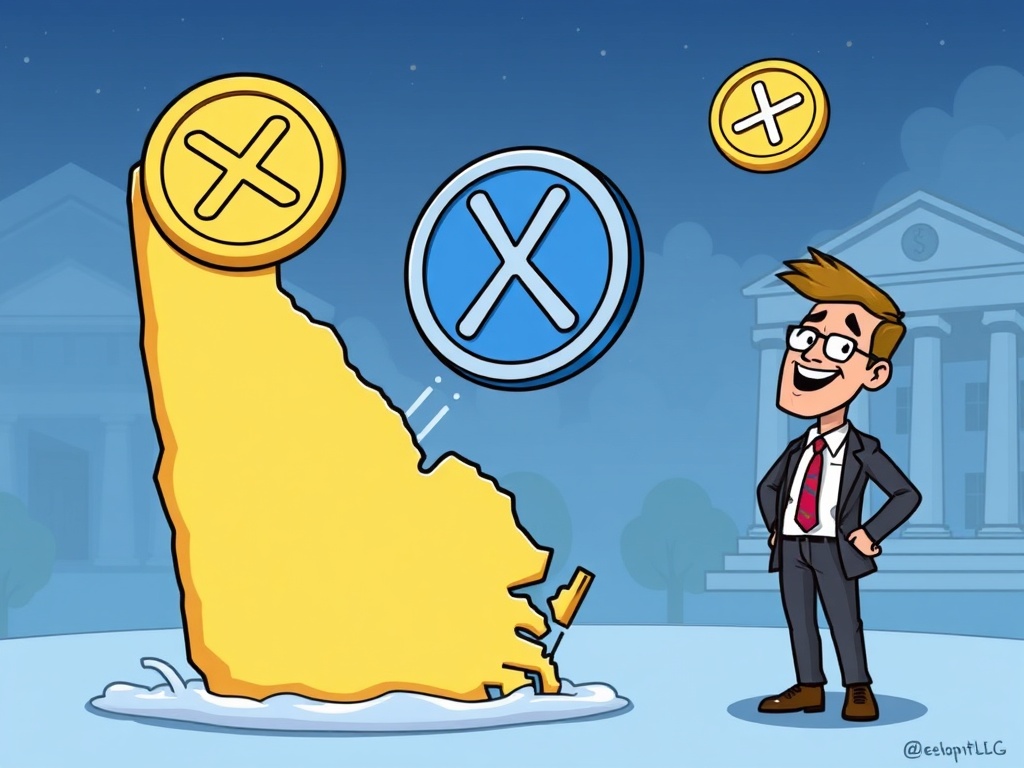
XRP ETF: 21Shares’ Momentous Delaware Registration Unlocks New Investment Horizons

BitcoinWorld
XRP ETF: 21Shares’ Momentous Delaware Registration Unlocks New Investment Horizons

The cryptocurrency world is buzzing with a truly significant development: the official registration of an XRP ETF by 21Shares in Delaware, USA. This exciting news, initially reported by JinSe Finance, marks a pivotal moment for Ripple’s native digital asset, XRP, and its journey towards broader institutional acceptance. For investors and enthusiasts alike, this move signals a growing maturity in the digital asset landscape and potentially opens new avenues for mainstream investment.

What Does the 21Shares XRP ETF Registration Mean?

When a major player like 21Shares, a prominent issuer of crypto ETPs (Exchange Traded Products), registers an XRP ETF, it’s a big deal. Essentially, an ETF allows investors to gain exposure to an asset, in this case, XRP, without directly owning or managing the underlying cryptocurrency. This structure offers several advantages, particularly for traditional investors who might be hesitant about the complexities of direct crypto purchases and storage.

  • Simplified Access: Investors can buy and sell shares of the ETF through conventional brokerage accounts.
  • Regulatory Comfort: ETFs operate within regulated frameworks, potentially easing concerns for institutional investors.
  • Diversification Potential: Offers a straightforward way to add digital asset exposure to a diversified portfolio.

The registration in Delaware, a state known for its business-friendly legal environment, is a crucial first step in the lengthy process of bringing such a product to market. It doesn’t mean the ETF is immediately available for trading, but it certainly indicates serious intent and progress.

Why is this a Game-Changer for XRP Investment?

The potential launch of an XRP ETF could dramatically alter the investment landscape for XRP. Currently, many institutional investors face hurdles due to regulatory uncertainties or the operational complexities of holding digital assets. An ETF provides a regulated, accessible, and familiar vehicle.

Consider the impact Bitcoin ETFs had on BTC’s price and institutional adoption. While not a direct comparison due to XRP’s ongoing legal situation with the SEC, the principle remains: increased accessibility often leads to increased demand and liquidity. This registration could be a powerful catalyst for XRP, drawing in a new wave of capital from traditional finance.

This development is particularly noteworthy given the ongoing legal battles surrounding XRP. The fact that 21Shares is moving forward suggests a degree of confidence in XRP’s future regulatory clarity, especially after recent court rulings provided some positive momentum for Ripple.

While the Delaware registration is a positive indicator, it is just one step. The journey to an actively traded XRP ETF involves several regulatory hurdles, most notably approval from the U.S. Securities and Exchange Commission (SEC). The SEC’s stance on various cryptocurrencies, including XRP, has been a significant factor in the delay of many crypto-related investment products.

However, the landscape is evolving. The approval of spot Bitcoin ETFs earlier this year has set a precedent, potentially paving the way for other single-asset crypto ETFs. The crypto community will be closely watching for further announcements and filings, particularly with the SEC, to understand the timeline and likelihood of this XRP ETF becoming a reality.

This initiative by 21Shares demonstrates a proactive approach, anticipating future market demands and regulatory clarity. It highlights the growing institutional interest in digital assets beyond just Bitcoin and Ethereum, signaling a broader acceptance of the asset class.

What Are the Potential Benefits and Challenges of an XRP ETF?

An XRP ETF offers several compelling benefits:

  • Increased Liquidity: A successful ETF can significantly boost XRP’s trading volume and market liquidity.
  • Price Discovery: Enhanced institutional participation can lead to more efficient price discovery.
  • Mainstream Adoption: Bridging the gap between traditional finance and crypto, fostering wider acceptance.

However, challenges remain:

  • Regulatory Approval: The SEC’s final decision is paramount and can be unpredictable.
  • Market Volatility: XRP, like other cryptocurrencies, is subject to high price volatility, which an ETF would also reflect.
  • Competition: Other firms might also pursue similar products, leading to a competitive market.

Despite these challenges, the registration of the 21Shares XRP ETF is undeniably a significant milestone, reflecting growing confidence in XRP’s potential as a viable investment asset.

In conclusion, 21Shares’ registration of an XRP ETF in Delaware is a powerful statement about the future of digital asset investments. It represents a proactive move by a major financial institution to meet evolving investor demand and embrace the potential of cryptocurrencies. While the road to full regulatory approval is still ahead, this development injects renewed optimism into the XRP community and underscores the irreversible trend of digital assets integrating into mainstream finance. This is more than just a registration; it’s a glimpse into a future where accessing innovative digital assets like XRP becomes as straightforward as investing in traditional stocks.

Frequently Asked Questions (FAQs)

1. What is an XRP ETF?
An XRP ETF (Exchange Traded Fund) is an investment vehicle that allows investors to gain exposure to the price movements of XRP without directly owning or managing the underlying cryptocurrency. It trades on traditional stock exchanges.

2. Does this registration mean the XRP ETF is available for trading?
No, the Delaware registration is an initial legal step. The ETF still requires further regulatory approvals, most notably from the U.S. Securities and Exchange Commission (SEC), before it can be listed and traded on exchanges.

3. Why is Delaware significant for this registration?
Delaware is known for its business-friendly corporate laws and is a common jurisdiction for registering trusts and funds. This registration signifies a formal intent by 21Shares to pursue the launch of an XRP ETF.

4. How might an XRP ETF impact XRP’s price?
The potential launch of an XRP ETF could lead to increased institutional investment and broader market access, which historically has contributed to higher demand, liquidity, and potentially a positive impact on XRP’s price.

5. What are the main challenges for the 21Shares XRP ETF?
The primary challenge is securing regulatory approval from the SEC, which has historically been cautious about cryptocurrency ETFs. Other challenges include market volatility and competition from other potential crypto investment products.

If you found this insight into the 21Shares XRP ETF registration valuable, share it with your network! Help us spread awareness about these exciting developments in the cryptocurrency investment space.

To learn more about the latest explore our article on key developments shaping XRP institutional adoption.

This post XRP ETF: 21Shares’ Momentous Delaware Registration Unlocks New Investment Horizons first appeared on BitcoinWorld and is written by Editorial Team


Market Opportunity
Threshold Logo
Threshold Price(T)
$0.010079
$0.010079$0.010079
+0.99%
USD
Threshold (T) Live Price Chart
Disclaimer: The articles reposted on this site are sourced from public platforms and are provided for informational purposes only. They do not necessarily reflect the views of MEXC. All rights remain with the original authors. If you believe any content infringes on third-party rights, please contact [email protected] for removal. MEXC makes no guarantees regarding the accuracy, completeness, or timeliness of the content and is not responsible for any actions taken based on the information provided. The content does not constitute financial, legal, or other professional advice, nor should it be considered a recommendation or endorsement by MEXC.

You May Also Like

Is Doge Losing Steam As Traders Choose Pepeto For The Best Crypto Investment?

Is Doge Losing Steam As Traders Choose Pepeto For The Best Crypto Investment?

The post Is Doge Losing Steam As Traders Choose Pepeto For The Best Crypto Investment? appeared on BitcoinEthereumNews.com. Crypto News 17 September 2025 | 17:39 Is dogecoin really fading? As traders hunt the best crypto to buy now and weigh 2025 picks, Dogecoin (DOGE) still owns the meme coin spotlight, yet upside looks capped, today’s Dogecoin price prediction says as much. Attention is shifting to projects that blend culture with real on-chain tools. Buyers searching “best crypto to buy now” want shipped products, audits, and transparent tokenomics. That frames the true matchup: dogecoin vs. Pepeto. Enter Pepeto (PEPETO), an Ethereum-based memecoin with working rails: PepetoSwap, a zero-fee DEX, plus Pepeto Bridge for smooth cross-chain moves. By fusing story with tools people can use now, and speaking directly to crypto presale 2025 demand, Pepeto puts utility, clarity, and distribution in front. In a market where legacy meme coin leaders risk drifting on sentiment, Pepeto’s execution gives it a real seat in the “best crypto to buy now” debate. First, a quick look at why dogecoin may be losing altitude. Dogecoin Price Prediction: Is Doge Really Fading? Remember when dogecoin made crypto feel simple? In 2013, DOGE turned a meme into money and a loose forum into a movement. A decade on, the nonstop momentum has cooled; the backdrop is different, and the market is far more selective. With DOGE circling ~$0.268, the tape reads bearish-to-neutral for the next few weeks: hold the $0.26 shelf on daily closes and expect choppy range-trading toward $0.29–$0.30 where rallies keep stalling; lose $0.26 decisively and momentum often bleeds into $0.245 with risk of a deeper probe toward $0.22–$0.21; reclaim $0.30 on a clean daily close and the downside bias is likely neutralized, opening room for a squeeze into the low-$0.30s. Source: CoinMarketcap / TradingView Beyond the dogecoin price prediction, DOGE still centers on payments and lacks native smart contracts; ZK-proof verification is proposed,…
Share
BitcoinEthereumNews2025/09/18 00:14
Fed Decides On Interest Rates Today—Here’s What To Watch For

Fed Decides On Interest Rates Today—Here’s What To Watch For

The post Fed Decides On Interest Rates Today—Here’s What To Watch For appeared on BitcoinEthereumNews.com. Topline The Federal Reserve on Wednesday will conclude a two-day policymaking meeting and release a decision on whether to lower interest rates—following months of pressure and criticism from President Donald Trump—and potentially signal whether additional cuts are on the way. President Donald Trump has urged the central bank to “CUT INTEREST RATES, NOW, AND BIGGER” than they might plan to. Getty Images Key Facts The central bank is poised to cut interest rates by at least a quarter-point, down from the 4.25% to 4.5% range where they have been held since December to between 4% and 4.25%, as Wall Street has placed 100% odds of a rate cut, according to CME’s FedWatch, with higher odds (94%) on a quarter-point cut than a half-point (6%) reduction. Fed governors Christopher Waller and Michelle Bowman, both Trump appointees, voted in July for a quarter-point reduction to rates, and they may dissent again in favor of a large cut alongside Stephen Miran, Trump’s Council of Economic Advisers’ chair, who was sworn in at the meeting’s start on Tuesday. It’s unclear whether other policymakers, including Kansas City Fed President Jeffrey Schmid and St. Louis Fed President Alberto Musalem, will favor larger cuts or opt for no reduction. Fed Chair Jerome Powell said in his Jackson Hole, Wyoming, address last month the central bank would likely consider a looser monetary policy, noting the “shifting balance of risks” on the U.S. economy “may warrant adjusting our policy stance.” David Mericle, an economist for Goldman Sachs, wrote in a note the “key question” for the Fed’s meeting is whether policymakers signal “this is likely the first in a series of consecutive cuts” as the central bank is anticipated to “acknowledge the softening in the labor market,” though they may not “nod to an October cut.” Mericle said he…
Share
BitcoinEthereumNews2025/09/18 00:23
Tesla to offer self-driving software only on monthly basis from February 14, Musk says

Tesla to offer self-driving software only on monthly basis from February 14, Musk says

Currently, Tesla allows its electric vehicle owners to purchase Full-Self-Driving (Supervised) for a one-time payment of $8,000 or a subscription of $99 per month
Share
Rappler2026/01/14 16:32