BitcoinWorld Coinbase Privacy Lawsuit: Crucial Proceedings Temporarily Halted by U.S. Court In a significant development for the cryptocurrency world, a U.S. District Court has decided to temporarily suspend a vital legal battle. The , which accused the popular crypto exchange of violating Illinois’ Biometric Information Privacy Act (BIPA), is now on hold. This pause raises compelling questions about user data, privacy, and the future of Know Your Customer (KYC) processes in the digital asset space. What’s Happening with the Coinbase Privacy Lawsuit? The U.S. District Court for the Northern District of Illinois Eastern Division recently issued an order to temporarily halt the lawsuit against Coinbase. This case centers on allegations that the exchange improperly collected and shared biometric data. According to a report by Cointelegraph, the court explained its decision by stating that a stay would: Simplify the issues at hand. Streamline the trial process. Reduce the burden of litigation on both the court and the parties involved. Not unduly prejudice or tactically disadvantage the plaintiffs. This decision means that while the lawsuit isn’t dismissed, its progress is paused for the time being. Understanding the Biometric Information Privacy Act (BIPA) To truly grasp the gravity of the , it’s essential to understand BIPA. The Illinois Biometric Information Privacy Act is a pioneering state law enacted in 2008. It is considered one of the strictest biometric privacy laws in the United States. Essentially, BIPA mandates that companies must: Obtain informed consent before collecting, storing, or sharing biometric data (like face scans, fingerprints, or voiceprints). Provide a publicly available retention schedule and guidelines for permanently destroying biometric data. Not profit from a person’s biometric data. This law gives individuals the right to sue companies that violate its provisions, leading to potentially substantial damages. Allegations Against Coinbase: Why the Lawsuit? The lawsuit against Coinbase was initially filed in May. It brought forth serious accusations concerning the exchange’s handling of user data. Specifically, the plaintiffs claimed that Coinbase engaged in the “wholesale collection” of faceprints. This collection allegedly occurred during its mandatory Know Your Customer (KYC) process. Moreover, the lawsuit asserted that Coinbase shared these sensitive biometric data points with third-party authentication companies. Crucially, these actions were allegedly carried out without obtaining the explicit consent of its users, a direct violation of BIPA’s core requirements. The outcome of this could set a significant precedent for how crypto platforms manage user identity verification. What Does This Suspension Mean for Crypto Users? The temporary halt in the doesn’t diminish the underlying concerns about digital privacy and data security. For Coinbase users, it means the legal battle regarding their biometric data is in a state of limbo. However, it also highlights the increasing scrutiny crypto exchanges face concerning their data handling practices. This case serves as a powerful reminder for all users to carefully review the privacy policies of platforms they use. It emphasizes the importance of understanding what data is collected, how it is used, and with whom it might be shared. The crypto industry, known for its focus on decentralization and privacy, must navigate these legal challenges carefully to maintain user trust. Looking Ahead: The Path Forward While the proceedings are suspended, the is far from over. The court’s decision for a stay suggests a desire to streamline complex legal arguments, perhaps awaiting clarity on related legal matters or allowing parties to explore settlement options. As the crypto landscape continues to evolve, so too will the legal frameworks governing it. The resolution of this case will undoubtedly influence how other crypto exchanges approach biometric data collection and privacy compliance moving forward. Summary: A Pause, Not an End, for Coinbase’s Privacy Battle The U.S. court’s decision to temporarily suspend the marks a pivotal moment in the ongoing discussion about digital privacy within the crypto sector. While the immediate legal pressure on Coinbase might be eased, the core issues of biometric data collection and user consent remain paramount. This case underscores the growing importance of robust privacy practices and transparency for all companies operating in the digital realm, especially those handling sensitive user information. Frequently Asked Questions (FAQs) 1. What is the Coinbase privacy lawsuit about? The lawsuit alleges that Coinbase violated Illinois’ Biometric Information Privacy Act (BIPA) by collecting users’ faceprints for its KYC process and sharing them with third-party companies without explicit consent. 2. Why did the U.S. court suspend the proceedings? The court suspended the proceedings to simplify issues, streamline the trial, reduce litigation burden, and avoid prejudicing or tactically disadvantaging the plaintiffs. 3. What is the Biometric Information Privacy Act (BIPA)? BIPA is an Illinois state law requiring companies to obtain informed consent before collecting, storing, or sharing biometric data, and to have clear data retention and destruction policies. 4. How does this suspension affect Coinbase users? For now, the legal battle regarding user biometric data is on hold. It highlights the importance for users to review privacy policies and understand how their data is handled by crypto platforms. 5. What happens next in this Coinbase privacy lawsuit case? The lawsuit is temporarily paused, but not dismissed. The court may lift the stay at a later date, or the parties might explore settlement options. The case’s eventual resolution will likely set precedents for the crypto industry’s privacy practices. If you found this article informative, please consider sharing it with your network on social media to keep others informed about these crucial developments in crypto privacy! To learn more about the latest crypto privacy trends, explore our article on key developments shaping digital rights and their legal implications. This post Coinbase Privacy Lawsuit: Crucial Proceedings Temporarily Halted by U.S. Court first appeared on BitcoinWorld and is written by Editorial TeamBitcoinWorld Coinbase Privacy Lawsuit: Crucial Proceedings Temporarily Halted by U.S. Court In a significant development for the cryptocurrency world, a U.S. District Court has decided to temporarily suspend a vital legal battle. The , which accused the popular crypto exchange of violating Illinois’ Biometric Information Privacy Act (BIPA), is now on hold. This pause raises compelling questions about user data, privacy, and the future of Know Your Customer (KYC) processes in the digital asset space. What’s Happening with the Coinbase Privacy Lawsuit? The U.S. District Court for the Northern District of Illinois Eastern Division recently issued an order to temporarily halt the lawsuit against Coinbase. This case centers on allegations that the exchange improperly collected and shared biometric data. According to a report by Cointelegraph, the court explained its decision by stating that a stay would: Simplify the issues at hand. Streamline the trial process. Reduce the burden of litigation on both the court and the parties involved. Not unduly prejudice or tactically disadvantage the plaintiffs. This decision means that while the lawsuit isn’t dismissed, its progress is paused for the time being. Understanding the Biometric Information Privacy Act (BIPA) To truly grasp the gravity of the , it’s essential to understand BIPA. The Illinois Biometric Information Privacy Act is a pioneering state law enacted in 2008. It is considered one of the strictest biometric privacy laws in the United States. Essentially, BIPA mandates that companies must: Obtain informed consent before collecting, storing, or sharing biometric data (like face scans, fingerprints, or voiceprints). Provide a publicly available retention schedule and guidelines for permanently destroying biometric data. Not profit from a person’s biometric data. This law gives individuals the right to sue companies that violate its provisions, leading to potentially substantial damages. Allegations Against Coinbase: Why the Lawsuit? The lawsuit against Coinbase was initially filed in May. It brought forth serious accusations concerning the exchange’s handling of user data. Specifically, the plaintiffs claimed that Coinbase engaged in the “wholesale collection” of faceprints. This collection allegedly occurred during its mandatory Know Your Customer (KYC) process. Moreover, the lawsuit asserted that Coinbase shared these sensitive biometric data points with third-party authentication companies. Crucially, these actions were allegedly carried out without obtaining the explicit consent of its users, a direct violation of BIPA’s core requirements. The outcome of this could set a significant precedent for how crypto platforms manage user identity verification. What Does This Suspension Mean for Crypto Users? The temporary halt in the doesn’t diminish the underlying concerns about digital privacy and data security. For Coinbase users, it means the legal battle regarding their biometric data is in a state of limbo. However, it also highlights the increasing scrutiny crypto exchanges face concerning their data handling practices. This case serves as a powerful reminder for all users to carefully review the privacy policies of platforms they use. It emphasizes the importance of understanding what data is collected, how it is used, and with whom it might be shared. The crypto industry, known for its focus on decentralization and privacy, must navigate these legal challenges carefully to maintain user trust. Looking Ahead: The Path Forward While the proceedings are suspended, the is far from over. The court’s decision for a stay suggests a desire to streamline complex legal arguments, perhaps awaiting clarity on related legal matters or allowing parties to explore settlement options. As the crypto landscape continues to evolve, so too will the legal frameworks governing it. The resolution of this case will undoubtedly influence how other crypto exchanges approach biometric data collection and privacy compliance moving forward. Summary: A Pause, Not an End, for Coinbase’s Privacy Battle The U.S. court’s decision to temporarily suspend the marks a pivotal moment in the ongoing discussion about digital privacy within the crypto sector. While the immediate legal pressure on Coinbase might be eased, the core issues of biometric data collection and user consent remain paramount. This case underscores the growing importance of robust privacy practices and transparency for all companies operating in the digital realm, especially those handling sensitive user information. Frequently Asked Questions (FAQs) 1. What is the Coinbase privacy lawsuit about? The lawsuit alleges that Coinbase violated Illinois’ Biometric Information Privacy Act (BIPA) by collecting users’ faceprints for its KYC process and sharing them with third-party companies without explicit consent. 2. Why did the U.S. court suspend the proceedings? The court suspended the proceedings to simplify issues, streamline the trial, reduce litigation burden, and avoid prejudicing or tactically disadvantaging the plaintiffs. 3. What is the Biometric Information Privacy Act (BIPA)? BIPA is an Illinois state law requiring companies to obtain informed consent before collecting, storing, or sharing biometric data, and to have clear data retention and destruction policies. 4. How does this suspension affect Coinbase users? For now, the legal battle regarding user biometric data is on hold. It highlights the importance for users to review privacy policies and understand how their data is handled by crypto platforms. 5. What happens next in this Coinbase privacy lawsuit case? The lawsuit is temporarily paused, but not dismissed. The court may lift the stay at a later date, or the parties might explore settlement options. The case’s eventual resolution will likely set precedents for the crypto industry’s privacy practices. If you found this article informative, please consider sharing it with your network on social media to keep others informed about these crucial developments in crypto privacy! To learn more about the latest crypto privacy trends, explore our article on key developments shaping digital rights and their legal implications. This post Coinbase Privacy Lawsuit: Crucial Proceedings Temporarily Halted by U.S. Court first appeared on BitcoinWorld and is written by Editorial Team

Coinbase Privacy Lawsuit: Crucial Proceedings Temporarily Halted by U.S. Court

BitcoinWorld
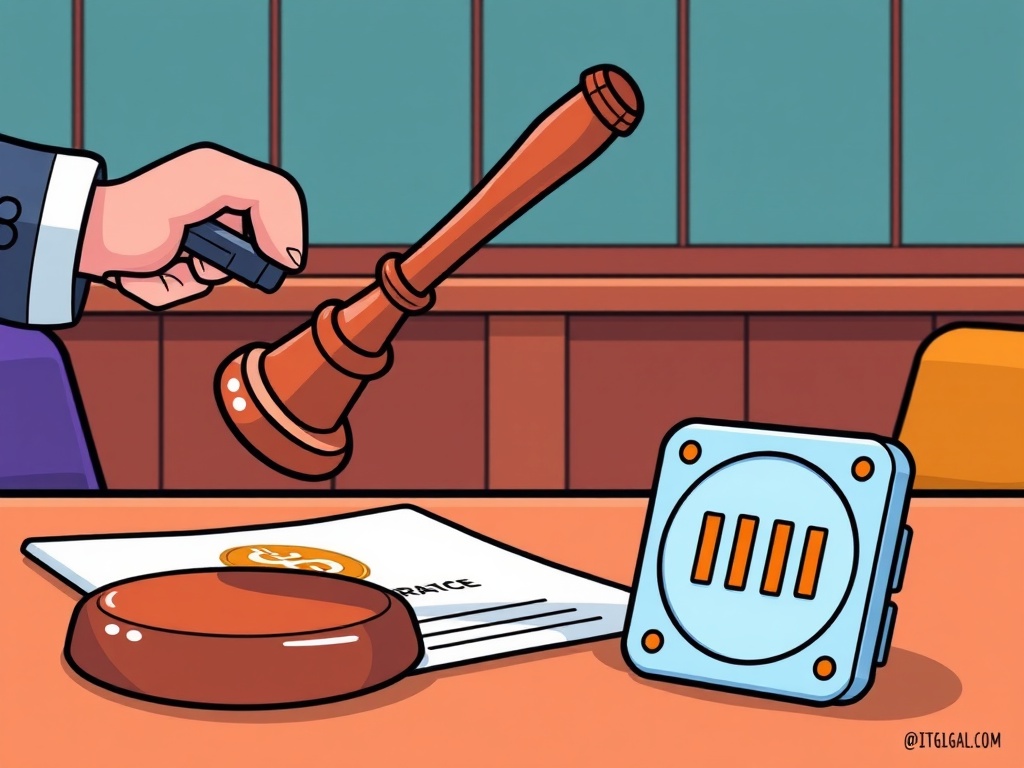
Coinbase Privacy Lawsuit: Crucial Proceedings Temporarily Halted by U.S. Court

In a significant development for the cryptocurrency world, a U.S. District Court has decided to temporarily suspend a vital legal battle. The , which accused the popular crypto exchange of violating Illinois’ Biometric Information Privacy Act (BIPA), is now on hold. This pause raises compelling questions about user data, privacy, and the future of Know Your Customer (KYC) processes in the digital asset space.

What’s Happening with the Coinbase Privacy Lawsuit?

The U.S. District Court for the Northern District of Illinois Eastern Division recently issued an order to temporarily halt the lawsuit against Coinbase. This case centers on allegations that the exchange improperly collected and shared biometric data.

According to a report by Cointelegraph, the court explained its decision by stating that a stay would:

  • Simplify the issues at hand.
  • Streamline the trial process.
  • Reduce the burden of litigation on both the court and the parties involved.
  • Not unduly prejudice or tactically disadvantage the plaintiffs.

This decision means that while the lawsuit isn’t dismissed, its progress is paused for the time being.

Understanding the Biometric Information Privacy Act (BIPA)

To truly grasp the gravity of the , it’s essential to understand BIPA. The Illinois Biometric Information Privacy Act is a pioneering state law enacted in 2008. It is considered one of the strictest biometric privacy laws in the United States. Essentially, BIPA mandates that companies must:

  • Obtain informed consent before collecting, storing, or sharing biometric data (like face scans, fingerprints, or voiceprints).
  • Provide a publicly available retention schedule and guidelines for permanently destroying biometric data.
  • Not profit from a person’s biometric data.

This law gives individuals the right to sue companies that violate its provisions, leading to potentially substantial damages.

Allegations Against Coinbase: Why the Lawsuit?

The lawsuit against Coinbase was initially filed in May. It brought forth serious accusations concerning the exchange’s handling of user data. Specifically, the plaintiffs claimed that Coinbase engaged in the “wholesale collection” of faceprints. This collection allegedly occurred during its mandatory Know Your Customer (KYC) process.

Moreover, the lawsuit asserted that Coinbase shared these sensitive biometric data points with third-party authentication companies. Crucially, these actions were allegedly carried out without obtaining the explicit consent of its users, a direct violation of BIPA’s core requirements. The outcome of this could set a significant precedent for how crypto platforms manage user identity verification.

What Does This Suspension Mean for Crypto Users?

The temporary halt in the doesn’t diminish the underlying concerns about digital privacy and data security. For Coinbase users, it means the legal battle regarding their biometric data is in a state of limbo. However, it also highlights the increasing scrutiny crypto exchanges face concerning their data handling practices.

This case serves as a powerful reminder for all users to carefully review the privacy policies of platforms they use. It emphasizes the importance of understanding what data is collected, how it is used, and with whom it might be shared. The crypto industry, known for its focus on decentralization and privacy, must navigate these legal challenges carefully to maintain user trust.

Looking Ahead: The Path Forward

While the proceedings are suspended, the is far from over. The court’s decision for a stay suggests a desire to streamline complex legal arguments, perhaps awaiting clarity on related legal matters or allowing parties to explore settlement options. As the crypto landscape continues to evolve, so too will the legal frameworks governing it. The resolution of this case will undoubtedly influence how other crypto exchanges approach biometric data collection and privacy compliance moving forward.

Summary: A Pause, Not an End, for Coinbase’s Privacy Battle

The U.S. court’s decision to temporarily suspend the marks a pivotal moment in the ongoing discussion about digital privacy within the crypto sector. While the immediate legal pressure on Coinbase might be eased, the core issues of biometric data collection and user consent remain paramount. This case underscores the growing importance of robust privacy practices and transparency for all companies operating in the digital realm, especially those handling sensitive user information.

Frequently Asked Questions (FAQs)

1. What is the Coinbase privacy lawsuit about?
The lawsuit alleges that Coinbase violated Illinois’ Biometric Information Privacy Act (BIPA) by collecting users’ faceprints for its KYC process and sharing them with third-party companies without explicit consent.

2. Why did the U.S. court suspend the proceedings?
The court suspended the proceedings to simplify issues, streamline the trial, reduce litigation burden, and avoid prejudicing or tactically disadvantaging the plaintiffs.

3. What is the Biometric Information Privacy Act (BIPA)?
BIPA is an Illinois state law requiring companies to obtain informed consent before collecting, storing, or sharing biometric data, and to have clear data retention and destruction policies.

4. How does this suspension affect Coinbase users?
For now, the legal battle regarding user biometric data is on hold. It highlights the importance for users to review privacy policies and understand how their data is handled by crypto platforms.

5. What happens next in this Coinbase privacy lawsuit case?
The lawsuit is temporarily paused, but not dismissed. The court may lift the stay at a later date, or the parties might explore settlement options. The case’s eventual resolution will likely set precedents for the crypto industry’s privacy practices.

If you found this article informative, please consider sharing it with your network on social media to keep others informed about these crucial developments in crypto privacy!

To learn more about the latest crypto privacy trends, explore our article on key developments shaping digital rights and their legal implications.

This post Coinbase Privacy Lawsuit: Crucial Proceedings Temporarily Halted by U.S. Court first appeared on BitcoinWorld and is written by Editorial Team


Market Opportunity
Threshold Logo
Threshold Price(T)
$0.010183
$0.010183$0.010183
+2.03%
USD
Threshold (T) Live Price Chart
Disclaimer: The articles reposted on this site are sourced from public platforms and are provided for informational purposes only. They do not necessarily reflect the views of MEXC. All rights remain with the original authors. If you believe any content infringes on third-party rights, please contact [email protected] for removal. MEXC makes no guarantees regarding the accuracy, completeness, or timeliness of the content and is not responsible for any actions taken based on the information provided. The content does not constitute financial, legal, or other professional advice, nor should it be considered a recommendation or endorsement by MEXC.

You May Also Like

CME Group to Launch Solana and XRP Futures Options

CME Group to Launch Solana and XRP Futures Options

The post CME Group to Launch Solana and XRP Futures Options appeared on BitcoinEthereumNews.com. An announcement was made by CME Group, the largest derivatives exchanger worldwide, revealed that it would introduce options for Solana and XRP futures. It is the latest addition to CME crypto derivatives as institutions and retail investors increase their demand for Solana and XRP. CME Expands Crypto Offerings With Solana and XRP Options Launch According to a press release, the launch is scheduled for October 13, 2025, pending regulatory approval. The new products will allow traders to access options on Solana, Micro Solana, XRP, and Micro XRP futures. Expiries will be offered on business days on a monthly, and quarterly basis to provide more flexibility to market players. CME Group said the contracts are designed to meet demand from institutions, hedge funds, and active retail traders. According to Giovanni Vicioso, the launch reflects high liquidity in Solana and XRP futures. Vicioso is the Global Head of Cryptocurrency Products for the CME Group. He noted that the new contracts will provide additional tools for risk management and exposure strategies. Recently, CME XRP futures registered record open interest amid ETF approval optimism, reinforcing confidence in contract demand. Cumberland, one of the leading liquidity providers, welcomed the development and said it highlights the shift beyond Bitcoin and Ethereum. FalconX, another trading firm, added that rising digital asset treasuries are increasing the need for hedging tools on alternative tokens like Solana and XRP. High Record Trading Volumes Demand Solana and XRP Futures Solana futures and XRP continue to gain popularity since their launch earlier this year. According to CME official records, many have bought and sold more than 540,000 Solana futures contracts since March. A value that amounts to over $22 billion dollars. Solana contracts hit a record 9,000 contracts in August, worth $437 million. Open interest also set a record at 12,500 contracts.…
Share
BitcoinEthereumNews2025/09/18 01:39
Vitalik Buterin Warns Crypto Lost Its Way, But Ethereum Is Ready to Fix It

Vitalik Buterin Warns Crypto Lost Its Way, But Ethereum Is Ready to Fix It

The post Vitalik Buterin Warns Crypto Lost Its Way, But Ethereum Is Ready to Fix It appeared first on Coinpedia Fintech News Ethereum co-founder Vitalik Buterin
Share
CoinPedia2026/01/14 18:13
Top 3 Reasons Why XRP Price Is Surging Today

Top 3 Reasons Why XRP Price Is Surging Today

The post Top 3 Reasons Why XRP Price Is Surging Today appeared on BitcoinEthereumNews.com. The XRP price is back in the spotlight today, becoming one of the top
Share
BitcoinEthereumNews2026/01/14 17:55