

South Africa’s Developers Step Up in Huawei’s Code4Mzansi Competition
The Huawei Developer Competition, Code4Mzanzi, has kicked off in partnership with the Department of Small Business Development and various academic institutions, including the University of Cape Town, the University of Johannesburg, the University of Pretoria, and the University of the Witwatersrand.
The competition, which is part of a larger international initiative, brings together South African developers, startups, and student teams to build cloud-powered solutions that tackle real-world challenges.
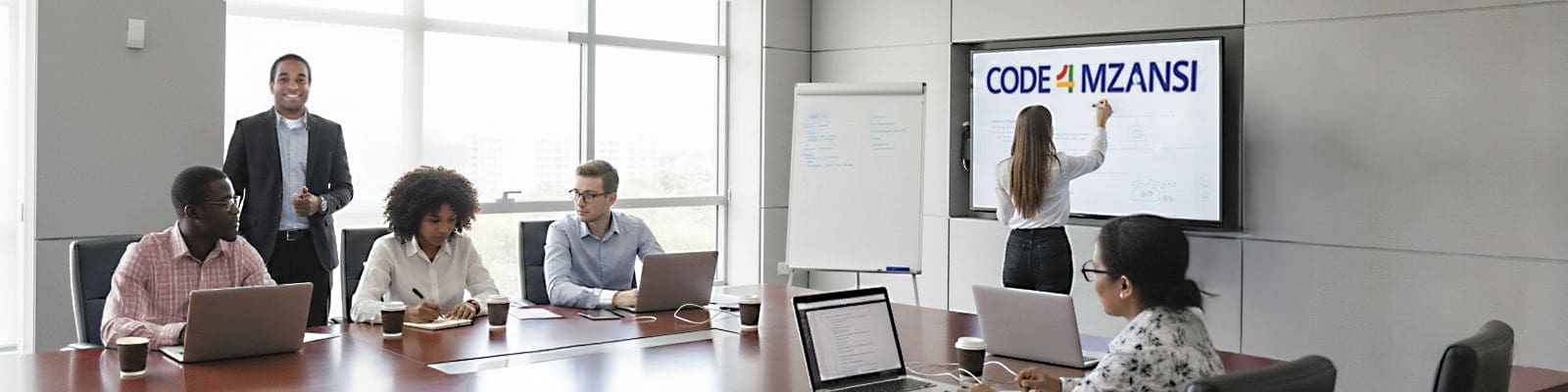 Code 4 Mzansi
The Department of Small Business Development (DSBD) is proudly supporting Micro, Small and Medium Enterprises (MSMEs), youth developers, and tech entrepreneurs to build practical, market-ready digital solutions using cloud and AI technologies. This initiative directly advances DSBD’s mandate to drive entrepreneurship, digital adoption, and inclusive economic growth.
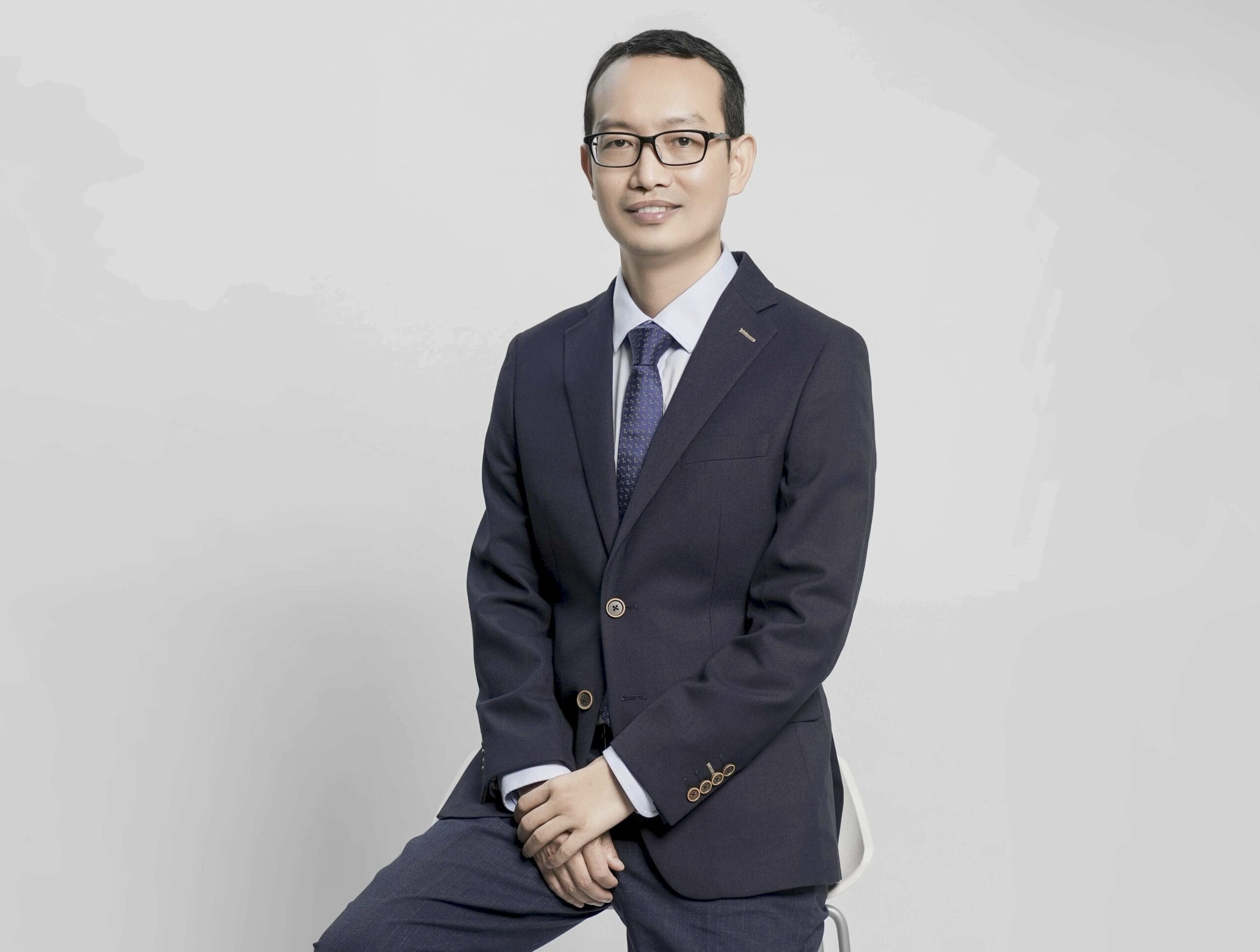 Rex Lei President of Huawei Cloud Sub-Saharan Africa_2
“South Africa’s digital vision is both ambitious and inspiring,” states Rex Lei, President of Huawei Cloud Sub-Saharan Africa. “Through the Huawei Developer Competition, we are calling upon visionary builders who aspire to create lasting change for their communities and the world. Participants will accelerate cloud and AI adoption while connecting African innovation with global opportunities.”
The program provides access to Huawei Cloud’s full suite of tools, APIs, and platforms, enabling participants to transform ideas into deployable prototypes. Additionally, participants will benefit from technical mentorship, cross-border collaboration opportunities, professional networking, and comprehensive support for prototyping, piloting, and scaling solutions with cloud infrastructure.
“Cloud, big data and Artificial Intelligence (AI) are the fuel for Africa’s next wave of growth, and South African developers are widely recognised for solving uniquely local challenges with global potential,” says Lei.
Empowering local ecosystems through strategic partnerships
“South Africa’s biggest asset is its youth, and we must treat this moment as an opportunity. The continent’s youth population is expanding rapidly with young Africans expected to make up 42% of global youth by 2030. This trend will continue well into the future.” says Minister of Small Business Development (DSDB), Stella Tembisa Ndabeni.
 Stella Tembisa Ndabeni, Minister of Small Business Development
“We cannot afford to be left behind in the digital era. We need to be inventive and innovative, and create opportunities for ourselves. We are excited by this partnership with Huawei which is actively empowering MSMEs, youth developers, and tech entrepreneurs to design and build practical, market-ready digital solutions using cloud and AI technologies,” Minister Ndabeni added.
Relevant, credible, and impactful innovations
A highlight of the programme is a collaboration with a leading local and global expert in AI. Professor Benjamin Rosman is a director of the Machine Intelligence and Neural Discovery (MIND) Institute at the University of the Witwatersrand. He is focused on helping South Africa build the long-term capacity needed to compete in the global digital economy and will be an active member of the Code4Mzanzi judging panel.
“Ethical and socially impactful innovation is about designing systems that benefit our communities and address real-world challenges,” says Prof Rosman. “Through developing local expertise, we guarantee that everyone has access to digital opportunities. A major goal of the Wits MIND is to help South Africa move from being a consumer of technology to a global innovator, shaping solutions that are both locally relevant and globally competitive. I look forward to seeing what the Code4Mzansi participants come up with and encouraging strong alignment with industry needs and greater national priorities.”
The Competition attracts a total of 353 teams consist of 1041 participants. The first phase of online training is complete, and the participants now have three months to develop and submit their projects. After submission, projects go through a preliminary online screening round to select the top 20, who then pitch in the semi-finals online.
The top 10 advance to the National Grand Finale, where they will give a 10-minute in-person presentation to a panel of judges.
Huawei’s not just empowering the participants with skills and access to the latest technology, but is also incentivising winners, with prize money of just under a million rand.


You May Also Like

Fifa gives green light for rainbow flags at Egypt v Iran World Cup clash

How Will XRP Price React After the FOMC Meeting Today?

Coinbase-Backed Base Resumes Block Production After Two-Hour Mainnet Outage



