

In today’s fast-moving digital economy, many payment methods have evolved, yet traditional paper-based transactions still hold relevance. Among these, bank checks continue to serve as a secure and traceable way to transfer money for personal and business purposes. While electronic payments dominate everyday transactions, checks remain valuable in specific financial situations where documentation, control, and verification are essential.
What Are Bank Checks?
Bank checks are written payment orders directing a financial institution to pay a specified amount from the issuer’s account to a named recipient. Unlike cash, they provide a paper trail that records the payer, payee, amount, and date of transaction. This documentation is particularly useful for accounting, tax reporting, and dispute resolution.
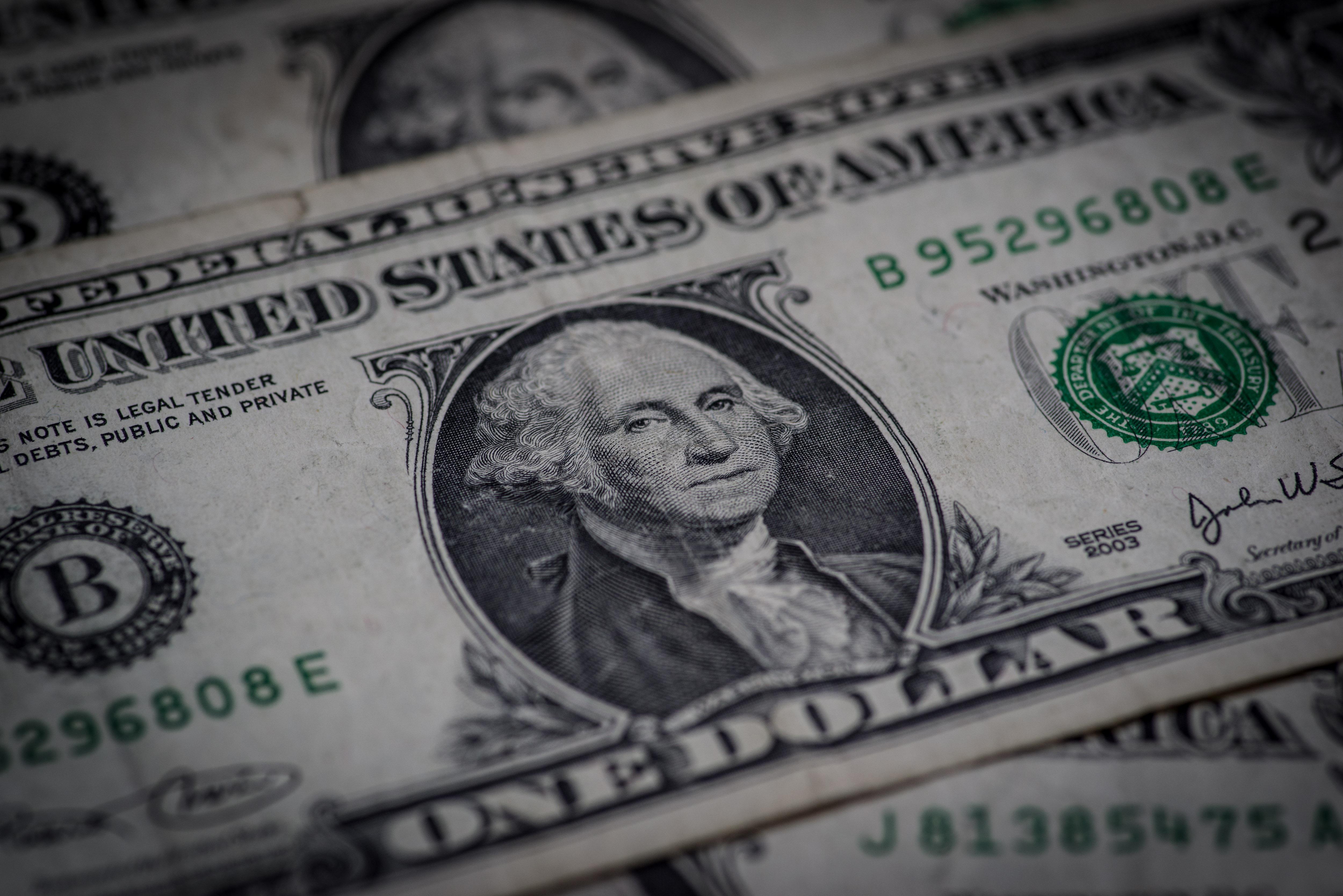
They are commonly used for rent payments, large purchases, contractor fees, and transactions where digital payment options may not be preferred or available. Because they are processed through regulated financial institutions, they offer an added layer of legitimacy and accountability.
How Checks Work
The process begins when the account holder fills out a check with the recipient’s name, payment amount (both in numbers and words), date, and signature. Once deposited, the recipient’s bank verifies the details and clears the funds from the issuer’s account.
Modern clearing systems often digitize the check image for faster processing. This reduces the time it takes for funds to transfer between institutions, although some transactions may still require additional verification for large amounts.
Types of Checks You Should Know
Different situations call for different types of checks. Some of the most common include:
-
Personal Checks – Linked directly to an individual’s checking account.
-
Cashier’s Checks – Guaranteed by the issuing bank, often used for large transactions like property purchases.
-
Certified Checks – Verified by the bank to confirm sufficient funds are available.
-
Business Checks – Issued from a corporate account for operational expenses.
Each type offers varying levels of security and assurance depending on the transaction size and risk involved.
Advantages of Using Checks
Despite the popularity of digital wallets and transfers, checks offer several advantages:
1. Clear Paper Trail
They create a documented record of payment, which is useful for audits and financial tracking.
2. Payment Control
Unlike automatic digital transfers, the issuer controls when the recipient deposits the check.
3. Security for Large Transactions
For significant purchases, such as vehicles or real estate, certified or cashier’s checks reduce the risk of insufficient funds.
4. Widely Accepted
Even institutions like Internal Revenue Service and major banks such as Bank of America still accept checks for various payments.
Potential Drawbacks
While checks offer reliability, they also have limitations:
-
Processing times can be slower compared to instant transfers.
-
There is a risk of loss or theft if not handled securely.
-
Insufficient funds may cause payments to bounce, leading to penalties.
-
Manual entry errors can delay transactions.
Understanding these risks helps individuals and businesses implement safeguards, such as secure storage and timely account monitoring.
Security Tips for Safer Transactions
To minimize fraud and errors, consider the following precautions:
-
Always use permanent ink to prevent alterations.
-
Avoid leaving blank spaces on the payment line.
-
Reconcile your bank statements regularly.
-
Store unused checks in a secure location.
-
Report lost or stolen checks immediately to your financial institution.
Additionally, businesses can adopt check verification services to confirm account validity before accepting payments.
Checks in the Digital Era
Financial technology has modernized how checks are processed. Many banks now offer mobile deposit features, allowing customers to scan and submit checks through secure apps. Institutions like Wells Fargo and Chase Bank provide remote deposit capture, significantly reducing the need to visit physical branches.
Although digital transfers are faster, checks remain relevant in industries where formal documentation and guaranteed payments are required. Real estate, legal settlements, and government transactions frequently rely on certified instruments.
When to Choose Checks Over Digital Payments
Checks may be preferable when:
-
Making large, one-time purchases
-
Paying individuals who do not use digital platforms
-
Requiring formal proof of payment
-
Conducting transactions that demand bank-backed guarantees
By selecting the right payment method for each scenario, individuals and businesses can balance convenience with security.
Conclusion
While electronic payment systems continue to grow, bank checks maintain their importance in modern finance. They provide traceability, control, and reliability for a range of transactions. By understanding how they work, recognizing their advantages and limitations, and applying proper security practices, users can confidently integrate checks into their broader financial strategy.








