

Cardano founder Charles Hoskinson has criticized traditional financial infrastructures, particularly SWIFT, forecasting their eventual demise. Speaking in an interview on the David Lin Report, Hoskinson predicted that SWIFT and other large traditional financial systems will eventually “die” due to their inability to sustain themselves. He backed up this claim by pointing to several shortcomings of legacy financial systems. In his view, legacy financial systems have numerous complexities and also impose high trust requirements, which can be frustrating for everyday users. Despite efforts to maintain secure transactions, he stressed that traditional financial systems remain vulnerable to fraud. Comparing Wire Transfers and Blockchain Transactions Interestingly, Hoskinson compared wire transfers with blockchain transactions to showcase the inefficiencies of traditional financial systems. According to him, sending a wire transfer requires multiple disclosures, fraud checks, and even post-transfer verification calls from the financial institution. However, he suggested that it is easier to complete a transfer from a multi-signature wallet, such as Ledger. He argued that blockchain solutions provide superior security and greater ease of use. With biometric authentication from an Android or iOS device, Hoskinson said the blockchain system confirms the user’s identity instantly. Moreover, Hoskinson noted that blockchain transactions are near-instant and cheap with no intermediary interrogating the sender. "Legacy Financial System Is Broken" Given the disparity between legacy financial infrastructure and blockchain-powered alternatives, the Cardano founder said the former is a broken system. He added that traditional systems will no longer be viable once people start using competitors, especially blockchain-powered payment systems. Hoskinson’s remarks suggest that traditional financial infrastructures, such as SWIFT, are outdated and destined to decline due to inefficiencies. Other major crypto stakeholders, like Eric Trump, have echoed a similar sentiment. As previously reported, the second son of the U.S. President also believes that the current traditional financial infrastructure is broken. He cautioned that unless traditional banks reform their operations, they risk going into extinction over the next 10 years. In the meantime, traditional financial institutions are enhancing their operations with blockchain. A case in point is JPMorgan's use of its blockchain-based Onyx platform for instant payments. Also, SWIFT is in an active partnership with Chainlink to enhance its operations.Cardano founder Charles Hoskinson has criticized traditional financial infrastructures, particularly SWIFT, forecasting their eventual demise. Speaking in an interview on the David Lin Report, Hoskinson predicted that SWIFT and other large traditional financial systems will eventually “die” due to their inability to sustain themselves. He backed up this claim by pointing to several shortcomings of legacy financial systems. In his view, legacy financial systems have numerous complexities and also impose high trust requirements, which can be frustrating for everyday users. Despite efforts to maintain secure transactions, he stressed that traditional financial systems remain vulnerable to fraud. Comparing Wire Transfers and Blockchain Transactions Interestingly, Hoskinson compared wire transfers with blockchain transactions to showcase the inefficiencies of traditional financial systems. According to him, sending a wire transfer requires multiple disclosures, fraud checks, and even post-transfer verification calls from the financial institution. However, he suggested that it is easier to complete a transfer from a multi-signature wallet, such as Ledger. He argued that blockchain solutions provide superior security and greater ease of use. With biometric authentication from an Android or iOS device, Hoskinson said the blockchain system confirms the user’s identity instantly. Moreover, Hoskinson noted that blockchain transactions are near-instant and cheap with no intermediary interrogating the sender. "Legacy Financial System Is Broken" Given the disparity between legacy financial infrastructure and blockchain-powered alternatives, the Cardano founder said the former is a broken system. He added that traditional systems will no longer be viable once people start using competitors, especially blockchain-powered payment systems. Hoskinson’s remarks suggest that traditional financial infrastructures, such as SWIFT, are outdated and destined to decline due to inefficiencies. Other major crypto stakeholders, like Eric Trump, have echoed a similar sentiment. As previously reported, the second son of the U.S. President also believes that the current traditional financial infrastructure is broken. He cautioned that unless traditional banks reform their operations, they risk going into extinction over the next 10 years. In the meantime, traditional financial institutions are enhancing their operations with blockchain. A case in point is JPMorgan's use of its blockchain-based Onyx platform for instant payments. Also, SWIFT is in an active partnership with Chainlink to enhance its operations.
Cardano Founder Says SWIFT and Legacy Financial Systems Are Going to Die

For feedback or concerns regarding this content, please contact us at [email protected]
Cardano founder Charles Hoskinson has criticized traditional financial infrastructures, particularly SWIFT, forecasting their eventual demise. Speaking in an interview on the David Lin Report, Hoskinson predicted that SWIFT and other large traditional financial systems will eventually “die” due to their inability to sustain themselves. He backed up this claim by pointing to several shortcomings of legacy financial systems. In his view, legacy financial systems have numerous complexities and also impose high trust requirements, which can be frustrating for everyday users. Despite efforts to maintain secure transactions, he stressed that traditional financial systems remain vulnerable to fraud. Comparing Wire Transfers and Blockchain Transactions Interestingly, Hoskinson compared wire transfers with blockchain transactions to showcase the inefficiencies of traditional financial systems. According to him, sending a wire transfer requires multiple disclosures, fraud checks, and even post-transfer verification calls from the financial institution. However, he suggested that it is easier to complete a transfer from a multi-signature wallet, such as Ledger. He argued that blockchain solutions provide superior security and greater ease of use. With biometric authentication from an Android or iOS device, Hoskinson said the blockchain system confirms the user’s identity instantly. Moreover, Hoskinson noted that blockchain transactions are near-instant and cheap with no intermediary interrogating the sender. "Legacy Financial System Is Broken" Given the disparity between legacy financial infrastructure and blockchain-powered alternatives, the Cardano founder said the former is a broken system. He added that traditional systems will no longer be viable once people start using competitors, especially blockchain-powered payment systems. Hoskinson’s remarks suggest that traditional financial infrastructures, such as SWIFT, are outdated and destined to decline due to inefficiencies. Other major crypto stakeholders, like Eric Trump, have echoed a similar sentiment. As previously reported, the second son of the U.S. President also believes that the current traditional financial infrastructure is broken. He cautioned that unless traditional banks reform their operations, they risk going into extinction over the next 10 years. In the meantime, traditional financial institutions are enhancing their operations with blockchain. A case in point is JPMorgan's use of its blockchain-based Onyx platform for instant payments. Also, SWIFT is in an active partnership with Chainlink to enhance its operations.
Market Opportunity
NEAR Price(NEAR)
$1.3873
$1.3873$1.3873
USD
NEAR (NEAR) Live Price Chart


Disclaimer: The articles reposted on this site are sourced from public platforms and are provided for informational purposes only. They do not necessarily reflect the views of MEXC. All rights remain with the original authors. If you believe any content infringes on third-party rights, please contact [email protected] for removal. MEXC makes no guarantees regarding the accuracy, completeness, or timeliness of the content and is not responsible for any actions taken based on the information provided. The content does not constitute financial, legal, or other professional advice, nor should it be considered a recommendation or endorsement by MEXC.
You May Also Like
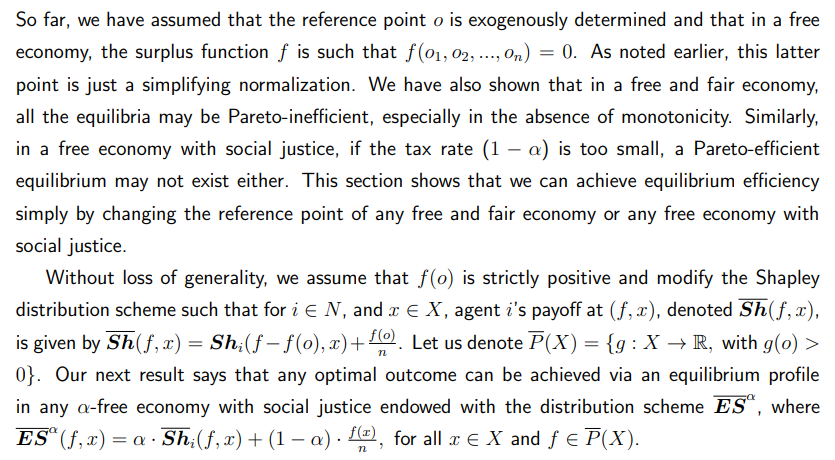
The Role of Reference Points in Achieving Equilibrium Efficiency in Fair and Socially Just Economies
This article explores how a simple change in the reference point can achieve a Pareto-efficient equilibrium in both free and fair economies and those with social justice.
Share
Hackernoon2025/09/17 22:30

Chinese Yuan’s Strategic Ascent: Analyzing Gradual Gains Against the US Dollar in 2025
BitcoinWorld Chinese Yuan’s Strategic Ascent: Analyzing Gradual Gains Against the US Dollar in 2025 Financial markets in early 2025 continue to monitor a persistent
Share
bitcoinworld2026/04/03 03:40

United States MBA Mortgage Applications up to -0.8% in April 3 from previous -10.4%
The post United States MBA Mortgage Applications up to -0.8% in April 3 from previous -10.4% appeared on BitcoinEthereumNews.com. Information on these pages contains
Share
BitcoinEthereumNews2026/04/08 19:10



