

Trump Tariffs Shock: Global Trade Faces 15% Barrier as President Escalates Economic Policy
BitcoinWorld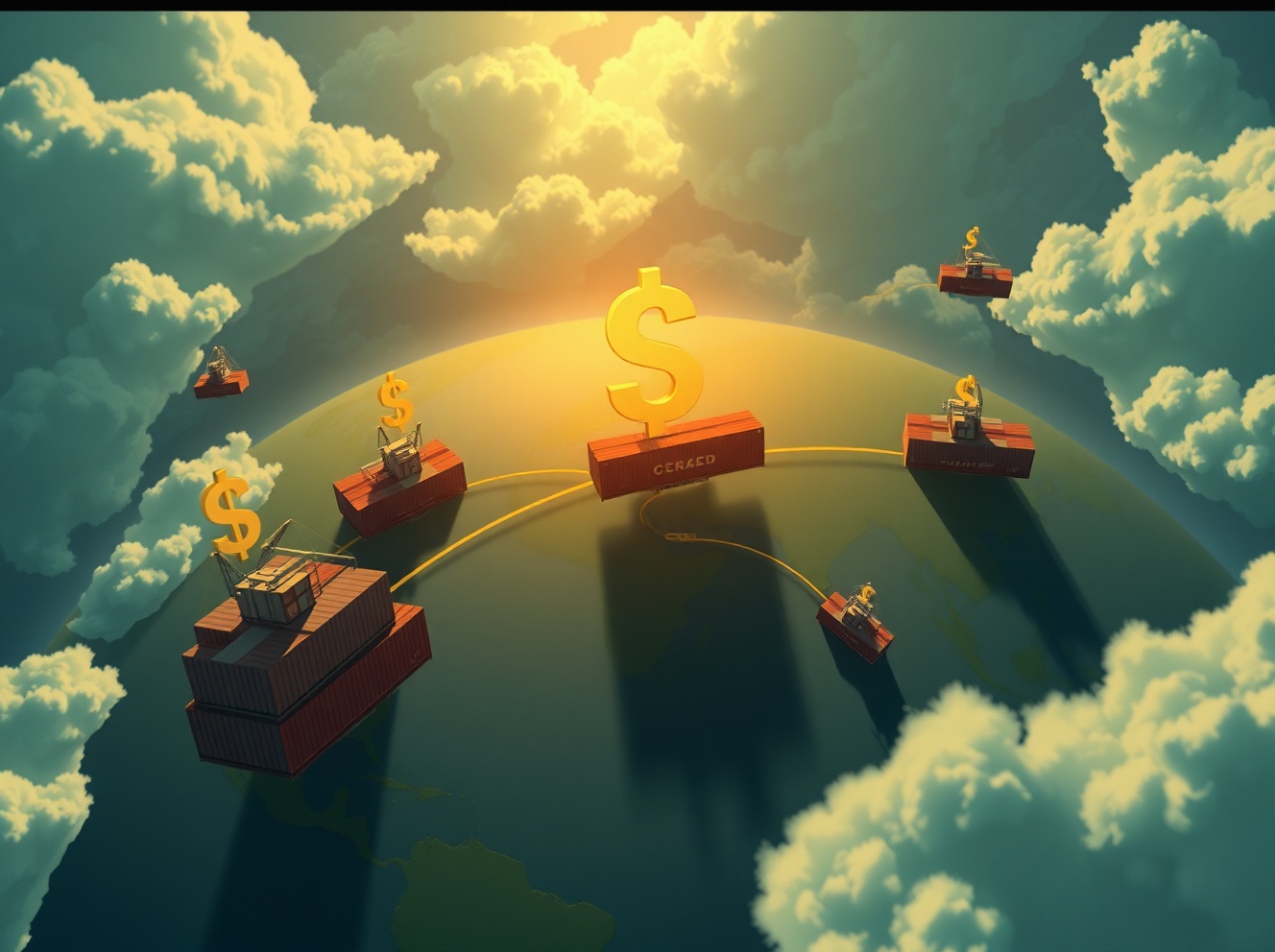
Trump Tariffs Shock: Global Trade Faces 15% Barrier as President Escalates Economic Policy
WASHINGTON, D.C., March 15, 2025 – President Donald Trump announced today a significant escalation in global trade policy, revealing plans to increase baseline tariffs from 10% to 15% across multiple international sectors. This dramatic policy shift immediately sent shockwaves through financial markets and diplomatic circles worldwide, marking the most substantial trade barrier implementation since the 2018-2020 trade conflicts.
Trump Tariffs: Understanding the 15% Global Trade Barrier
The White House confirmed the tariff increase through an official executive order signed this morning. Consequently, the policy affects approximately $3.2 trillion in annual imports across more than 150 countries. Moreover, this decision represents a 50% increase from the previous 10% baseline established during Trump’s previous administration. The Treasury Department simultaneously released implementation guidelines specifying phased enforcement over the next 90 days.
Historical context reveals this move continues Trump’s longstanding trade philosophy. Previously, his administration implemented tariffs averaging 19% on $380 billion of Chinese goods in 2018. Additionally, the current policy expands beyond bilateral agreements to establish a uniform global approach. Trade analysts immediately noted this represents the broadest tariff application in modern U.S. economic history.
Economic Implications and Market Reactions
Financial markets responded immediately to the announcement. The Dow Jones Industrial Average dropped 450 points within the first trading hour. Simultaneously, the dollar strengthened against major currencies while emerging market currencies faced significant pressure. Furthermore, commodity prices exhibited volatility, particularly for industrial metals and agricultural products subject to international trade flows.
Major corporations with global supply chains expressed concern about the policy’s timing. For instance, automotive manufacturers rely on components from multiple countries. Similarly, technology companies source materials internationally. The National Association of Manufacturers released a statement estimating the tariffs could increase production costs by 8-12% across affected industries.
| Sector | Current Tariff | New Tariff | Estimated Cost Increase |
|---|---|---|---|
| Automotive | 10% | 15% | 9.2% |
| Electronics | 10% | 15% | 11.5% |
| Agriculture | 10% | 15% | 7.8% |
| Steel/Aluminum | 10% | 15% | 12.3% |
Expert Analysis: Trade Policy Evolution
Dr. Eleanor Vance, former International Trade Commission economist, provided context about the policy’s development. “This tariff increase follows established patterns from previous administrations,” she explained. “However, the global uniform application represents a significant departure from targeted approaches.” Vance emphasized that previous administrations typically implemented sector-specific or country-specific tariffs rather than blanket increases.
The Congressional Budget Office previously modeled similar scenarios in 2023. Their analysis suggested broad tariff increases could reduce GDP growth by 0.5-0.8% annually. Additionally, consumer prices might increase 2-4% across affected categories. These projections assumed retaliatory measures from trading partners, which several countries have already threatened.
Global Response and Diplomatic Fallout
International reactions emerged swiftly following the announcement. The European Union trade commissioner called an emergency meeting to discuss potential countermeasures. Meanwhile, China’s commerce ministry issued a statement expressing “deep concern” about the policy’s implications for global economic recovery. Several Asian trading partners indicated they would review existing trade agreements with the United States.
The World Trade Organization director-general scheduled special consultations for next week. Historically, the WTO has ruled against similar broad tariff applications. However, enforcement mechanisms remain limited without member consensus. Diplomatic sources indicate multiple countries are preparing formal complaints through WTO dispute settlement procedures.
Key developments include:
- EU Emergency Measures: European Commission activated trade defense instruments
- Asian Coalition: Japan, South Korea, and ASEAN nations discussing coordinated response
- Retaliatory Threats: Several nations announced potential counter-tariffs on U.S. exports
- Currency Interventions: Central banks monitoring exchange rate impacts
Historical Precedents and Policy Context
Trade policy experts note important historical parallels. The Smoot-Hawley Tariff Act of 1930 similarly raised U.S. tariffs on over 20,000 imported goods. That legislation contributed to deepening the Great Depression through reduced international trade. More recently, the 2002 steel tariffs imposed by President George W. Bush resulted in WTO rulings against the United States and eventual repeal.
The current administration cites national economic security as primary justification. Specifically, officials reference supply chain vulnerabilities exposed during recent global crises. Additionally, they emphasize addressing trade deficits with multiple partners simultaneously. However, economists debate whether uniform tariffs effectively address these complex issues.
Implementation Timeline and Legal Considerations
The executive order outlines a three-phase implementation schedule. Phase one begins in 30 days, affecting approximately 40% of covered imports. Phase two follows after 60 days, expanding coverage to 80% of goods. Finally, phase three completes implementation after 90 days. Certain medical supplies and essential goods may receive temporary exemptions during review processes.
Legal challenges are anticipated from multiple directions. Constitutional scholars debate the extent of executive authority in trade policy. Additionally, congressional leaders from both parties have expressed concerns about the unilateral approach. Several legislative proposals addressing tariff authority have already been introduced in response to the announcement.
Key implementation dates:
- April 15, 2025: Phase one implementation (40% of goods)
- May 15, 2025: Phase two implementation (80% of goods)
- June 15, 2025: Full implementation (100% of covered goods)
- July 1, 2025: First review of exemptions and adjustments
Conclusion
The Trump tariffs increase to 15% represents a watershed moment in global trade relations. This policy shift will undoubtedly reshape international economic dynamics for years to come. Market reactions, diplomatic responses, and legal challenges will determine the ultimate impact of these trade barriers. Furthermore, the uniform global application distinguishes this approach from previous targeted measures. As implementation progresses, businesses, consumers, and governments worldwide must adapt to this new trade reality.
FAQs
Q1: What specific goods are affected by the 15% Trump tariffs?
The tariffs apply broadly to manufactured goods, agricultural products, and industrial materials. However, certain medical supplies and essential goods may receive temporary exemptions during a 90-day review period. The complete product list will be published in the Federal Register within 15 days.
Q2: How will this tariff increase affect consumer prices?
Economic models suggest consumer prices could increase 2-4% across affected categories. However, the actual impact depends on multiple factors including corporate pricing decisions, supply chain adjustments, and potential retaliatory measures from trading partners.
Q3: Can Congress override these Trump tariffs?
Congress possesses constitutional authority over trade policy but would need to pass legislation specifically addressing these tariffs. Such legislation would require bipartisan support and potentially face presidential veto. Historical precedents suggest congressional action typically follows significant economic disruption.
Q4: How do other countries typically respond to U.S. tariff increases?
Historical responses include retaliatory tariffs, WTO complaints, and diplomatic negotiations. The European Union has previously implemented counter-tariffs on iconic American products. China has targeted agricultural exports in past trade disputes. Multiple nations are currently considering coordinated responses.
Q5: What legal challenges might the 15% tariff policy face?
Potential challenges include constitutional questions about executive authority, WTO dispute settlement procedures, and domestic litigation from affected industries. Previous similar policies have faced multiple legal challenges with mixed outcomes depending on specific circumstances and judicial interpretations.
This post Trump Tariffs Shock: Global Trade Faces 15% Barrier as President Escalates Economic Policy first appeared on BitcoinWorld.


You May Also Like
Dems corner GOP on Trump's 'rank corruption' as public sours

Sen. Warren launches a probe into the OCC, accusing the Trump administration of illegally granting “national trust” bank charters




