

AI Flags Critical XRPL Flaw Before Mainnet
The crypto industry often talks about decentralization and transparency. Yet even mature networks face unexpected technical risks. This week, the XRPL Foundation acted swiftly after an AI bug hunter uncovered what experts described as a critical XRPL vulnerability inside Ripple’s core code.
The issue almost reached mainnet deployment. Developers had already progressed through testing phases before the alert surfaced. An AI-powered review system flagged suspicious behavior patterns that human reviewers had overlooked during earlier audits.
This incident highlights a turning point in blockchain security. AI no longer supports development workflows. It now actively protects live networks. The discovery of this critical XRPL vulnerability shows how artificial intelligence is reshaping security standards across decentralized ecosystems.
How The Critical Flaw Nearly Reached Mainnet
Developers routinely push updates to improve performance and scalability. The XRPL upgrade aimed to enhance transaction handling and validator coordination. During final review stages, an AI bug hunter scanning the Ripple codebase detected abnormal logic conditions.
The flaw could have broken transaction validation under specific edge cases. Attackers might have exploited the weakness to create ledger inconsistencies. While the probability remained uncertain, the risk carried serious implications.
Engineers immediately paused the deployment process. They conducted internal reviews and confirmed the presence of a blockchain security flaw. The vulnerability had slipped past traditional code audits.
The Growing Role Of AI Bug Hunter Systems In Blockchain Security
AI bug hunter platforms use machine learning models to analyze millions of code paths quickly. Unlike manual audits, AI systems test unusual combinations of inputs and edge scenarios. They control the attack behaviors at a scale humans cannot match.
In this case, the AI bug hunter identified code execution sequences that produced unintended state changes. Those changes exposed the critical XRPL vulnerability before starting on mainnet.
Blockchain networks increasingly rely on AI-assisted checking. Security teams integrate AI into development pipelines to prevent blockchain security flaws early. This approach reduces risk while accelerating innovation.
Why The Ripple Codebase Became A High Stakes Target
The XRP Ledger processes billions in transaction value annually. Financial institutions and payment providers depend on its reliability. Because the Ripple codebase supports real time settlement systems, even minor logic flaws can chnage quickly. A critical XRPL vulnerability inside core validation logic presents more than a coding error. It threatens trust.
Developers built XRPL with security as a foundation. Yet changing upgrades introduce complexity. Each improvement increases potential attack surfaces. The recent blockchain security flaw demonstrates why proactive defense remains essential. Crypto ecosystems move fast. Security must move faster.
How XRPL Foundation Responded To The Security Alert
The XRPL Foundation immediately coordinated with core contributors. Engineers reproduced the issue in controlled environments. They traced the vulnerability to specific validation logic functions within the Ripple codebase.
Teams developed and tested a corrective patch. They also expanded monitoring rules within their AI bug hunter tools. Developers introduced additional regression tests to ensure no related blockchain security flaw remained hidden.
Transparency played a key role. The foundation acknowledged the issue publicly and detailed the fix timeline. That communication reassured validators and ecosystem participants. Rapid response defines resilient networks. XRPL demonstrated that readiness.
A Turning Point For Proactive Blockchain Defense
Crypto networks once reacted to hacks after damage occurred. Today, forward looking projects prioritize prevention. The quick patch of this blockchain security flaw marks progress. The critical XRPL vulnerability never impacted users. Funds remained secure. Network operations continued uninterrupted.
This near miss reinforces a vital lesson. Innovation demands vigilance. AI-assisted audits now stand at the center of blockchain risk management. Security no longer relies only on human review cycles. Intelligent control guards the infrastructure that powers digital finance.
The post AI Flags Critical XRPL Flaw Before Mainnet appeared first on Coinfomania.


You May Also Like
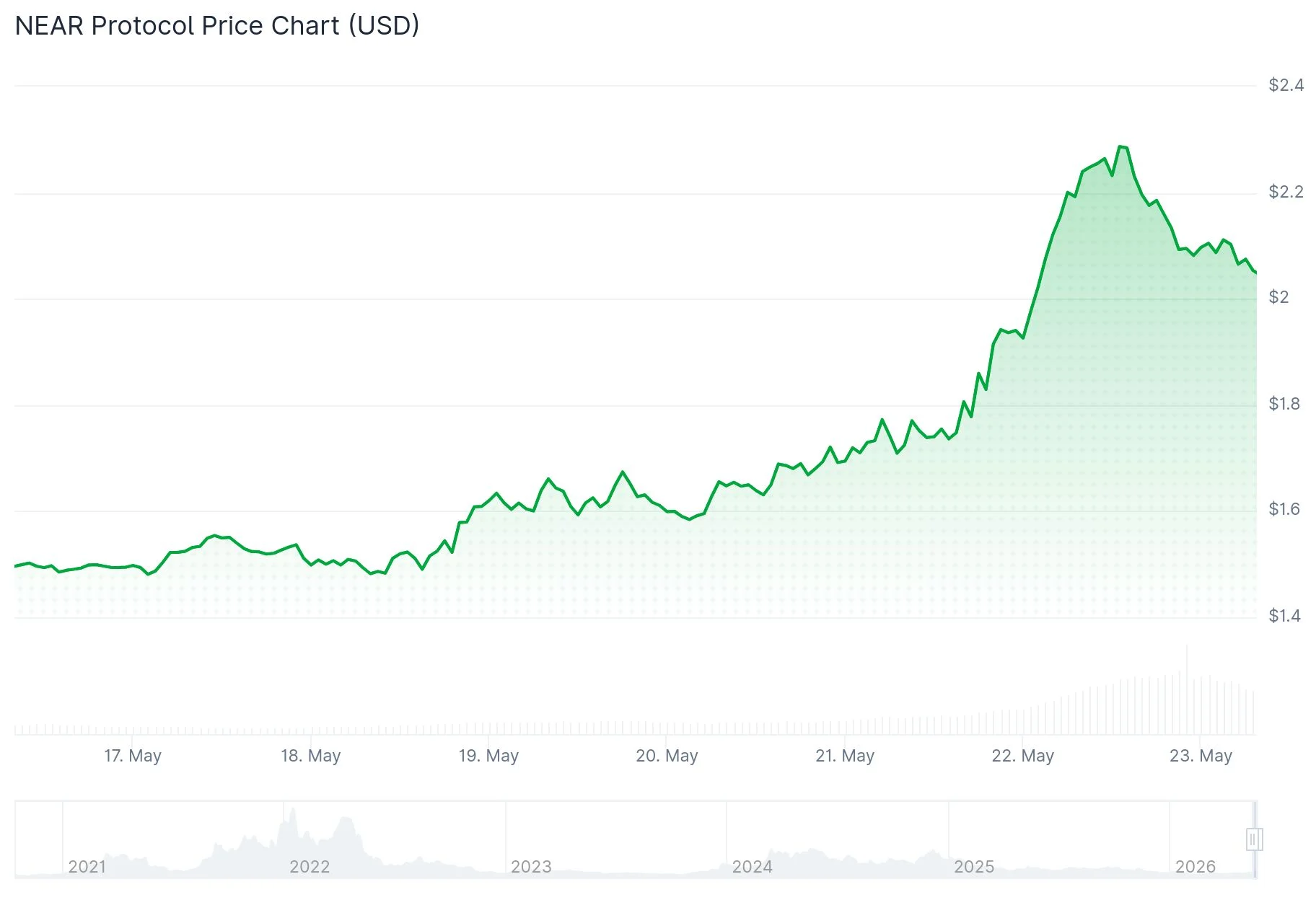
NEAR Protocol (NEAR) Skyrockets 50% After Arthur Hayes Names It a Top Altcoin Pick

Saylor Signals Possible 2026 Bitcoin Sale by MicroStrategy

Fed Governor Calls For Strong Stablecoin Oversight As CLARITY Act’s Final Text Gets Delayed



