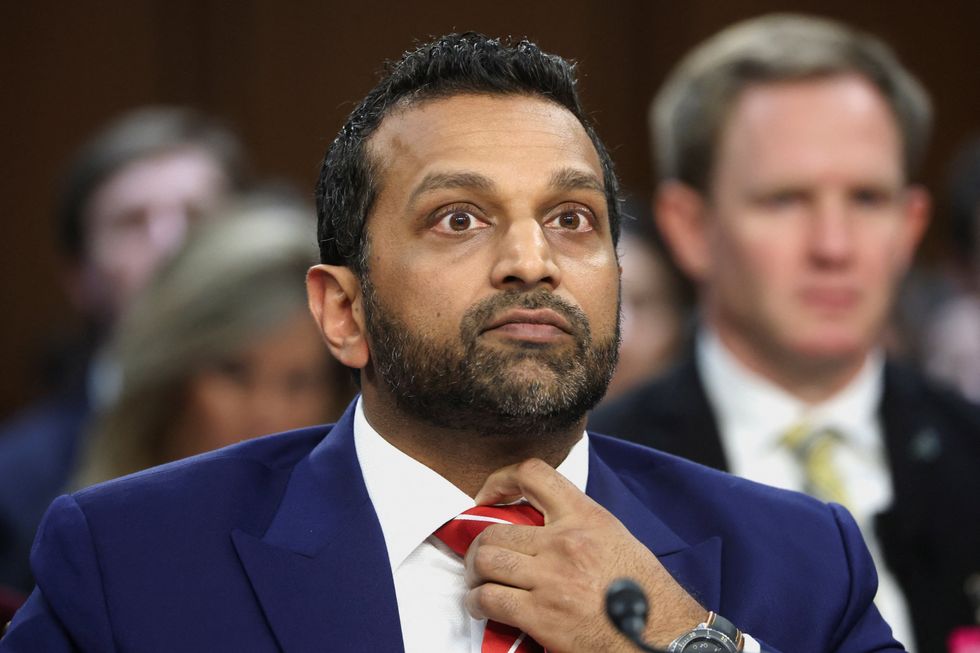
Kalshi points to ‘death carveout’ in Khamenei market as punters revolt
If a political leader is removed from power because they’ve been assassinated, is that still a removal?
Traders who accurately bet on when Iran’s Supreme Leader, Ali Khamenei, would exit office were met with a confusing answer to that question by Kalshi.
When reports of Khamenei’s death began rolling in on Saturday, those who bet on his ouster by February 28 assumed their money was as good as earned.
Kalshi, however, highlighted the fine print in that specific event contract.
Instead of the market settling on $1 and closing, Kalshi settled the market based on the last traded price before the death was officially confirmed. This means that any gains from positions established before his death came to little.
Early Sunday morning, Kalshi’s CEO apologised to users.
He reminded that Khamenei’s ouster could only be concluded if it was by means other than his death, according to the event contract’s rules.
“I know some of you disagree and prefer that we list these markets without a death carveout because it keeps the rules simple and because many traditional markets, like oil futures, can be proxy markets for war and death,” he wrote on Sunday morning.
“We believe that’s different from having a market directly settling on someone’s death, which is not allowed for US-regulated entities.”
He said that Kalshi never changed any of its rules, but admitted that how this market was presented to users should be updated, along with other markets that have a “death carveout.”
Mansour went ahead and announced that all fees will be reimbursed, and that if traders bought up shares in Khamenei’s ouster after his death, those traders will be reimbursed as well.
Prediction market spotlight
The joint attack on Iran by US and Israeli military forces has cast a unique spotlight on the fast-growing and controversial betting niche.
Volumes on popular prediction markets, such as Kalshi and Polymarket, soared as bombs fell on Iran.
But so, too, has scrutiny of these platforms.
While Kalshi attempted to assuage and enlighten traders that the platform didn’t double as an assassination market, six brand-new users on Polymarket closed $1.2 million in trades betting on Khamenei leaving office.
Unlike Kalshi, Polymarket’s international site is not regulated by the US Commodity Futures Trading Commission. Polymarket doesn’t require customers to verify their identity upon signup, making it difficult to police the market for insider trading. Kalshi users, on the other hand, must undergo a know-your-customer onboarding process.
When Khameini was assassinated, the relevant market, which hosted more than $529 million in volume, closed as many users likely assumed.
These six users specifically wagered on the ouster of Iranian leaders on February 28 and placed bets just hours before the strike, according to analytics firm Bubblemaps.
“It’s insane this is legal,” Democrat Senator Chris Murphy said on Sunday.
“People around Trump are profiting off war and death. I’m introducing legislation ASAP to ban this.”
A White House spokesperson denied that anyone close to US President Donald Trump was behind the trades, according to NPR.
Naturally, preventing government insiders from trading on national security intelligence is critical — it ensures that decisions are made with an eye toward public welfare, rather than officials’ bank accounts.
But there’s also a clear business case, according to Daniel Lo, the chief legal officer of market marketing firm Acheron Trading.
Without clear know-your-customer and anti-money-laundering standards for prediction markets, institutional buy-in will be limited.
“It’s one of the blockers,” Lo told DL News.
“They will only normalise when there are markets that place sufficient emphasis on proper KYC and AML. Otherwise, they’re not mandated to join in.”
Liam Kelly is DL News’ Berlin-based DeFi correspondent. Have a tip? Get in touch at [email protected].


You May Also Like

Major Shift in Crypto-Backed Investment Yield Approaches
BREAKING: ETHGas (GWEI) Surges 20.9% to $0.087 in 24 Hours