BitcoinWorld Pioneering Bitcoin Real Estate: Grant Cardone’s Stunning $43M Miami Mansion Sale The world of luxury real estate just witnessed a groundbreaking moment, sending ripples across both traditional finance and the burgeoning digital asset space. American self-made millionaire and entrepreneur, Grant Cardone, has successfully sold his opulent Miami mansion in Golden Beach for an astonishing 400 Bitcoin (BTC), equivalent to $43 million. This landmark Bitcoin real estate transaction, reported by Bitcoin News on X, occurred with remarkable speed, finding a buyer within just 72 hours of being listed. It underscores a powerful shift, demonstrating how digital currencies are increasingly becoming a viable and preferred medium for high-value asset exchanges. What Makes This Bitcoin Real Estate Transaction So Significant? Grant Cardone’s recent sale is more than just a headline-grabbing deal; it represents a pivotal moment for the integration of cryptocurrencies into mainstream finance. This particular Bitcoin real estate transaction stands out for several compelling reasons: Unprecedented Speed: Selling a multi-million dollar property, especially one of this caliber, in just 72 hours is exceptionally rare in the traditional market. The use of Bitcoin likely streamlined the transaction process, bypassing some of the typical delays associated with conventional banking systems. Massive Scale: A $43 million property changing hands for 400 BTC highlights the growing confidence in Bitcoin as a store of value and a medium of exchange for substantial wealth. It’s not just small purchases; we are talking about significant capital. Validation for Crypto: For years, skeptics questioned the practical utility of cryptocurrencies beyond speculative trading. This sale offers tangible proof of Bitcoin’s growing acceptance and utility in the luxury asset market, pushing it further into the mainstream. Cardone’s Influence: As a well-known entrepreneur and financial influencer, Grant Cardone’s endorsement of such a transaction lends considerable credibility to the concept of digital asset payments, encouraging others to explore similar avenues. This event signals a maturing market where digital assets are no longer confined to niche tech circles but are actively shaping global commerce. Is Bitcoin Real Estate Becoming the New Norm for Luxury Deals? While Grant Cardone’s sale is a high-profile example, it’s part of a broader trend. The appeal of using cryptocurrencies for high-value purchases, particularly in real estate, is steadily growing. Many believe that Bitcoin real estate transactions offer distinct advantages: Enhanced Efficiency: Cryptocurrency transactions can settle much faster than traditional wire transfers, which often involve multiple intermediaries and can take days, especially for international deals. Reduced Fees: Depending on the platform and network conditions, crypto transactions can sometimes incur lower fees compared to the significant charges associated with large fiat transfers or international banking. Global Accessibility: Bitcoin transcends geographical boundaries, making it easier for international buyers and sellers to conduct transactions without the complexities of currency conversions and cross-border banking regulations. However, it is crucial to acknowledge the challenges. The volatility of cryptocurrencies, for instance, means the value of 400 BTC could fluctuate significantly between the agreement and settlement dates. Regulatory uncertainties and complex tax implications also remain key considerations for anyone venturing into this space. Despite these hurdles, the momentum suggests that crypto-backed property deals are here to stay and likely to increase. Navigating the Future of Digital Asset Transactions For individuals considering entering the world of Bitcoin real estate, whether as a buyer or a seller, several actionable insights are paramount. The landscape is evolving rapidly, and being well-informed is key to success: Seek Expert Advice: Always consult with legal and financial professionals who specialize in cryptocurrency and real estate. They can help navigate the complex tax implications, regulatory requirements, and ensure a smooth, compliant transaction. Understand Volatility: Be prepared for potential price fluctuations. Strategies like locking in the fiat value at the time of agreement or using stablecoins might be considered, though Cardone’s deal was purely BTC. Secure Custody Solutions: Ensure robust security for your digital assets. Whether using hardware wallets or reputable institutional custodians, protecting your Bitcoin is vital. Verify Authenticity: Due diligence is even more critical in crypto transactions. Verify the legitimacy of all parties involved and the authenticity of the digital assets being exchanged. This pioneering sale by Grant Cardone is a clear signal that digital assets are not just an investment vehicle but a transformative force in the global economy, especially in high-value sectors like luxury real estate. It challenges traditional financial norms and paves the way for a more digitized future. Grant Cardone’s astonishing Bitcoin real estate sale of his Miami mansion marks a monumental stride for cryptocurrency adoption in the luxury property market. This swift, multi-million dollar transaction underscores Bitcoin’s growing utility, challenging conventional financial processes and highlighting the increasing confidence in digital assets. While challenges like volatility and regulation persist, this event undeniably propels the conversation around crypto-backed transactions forward, hinting at a future where digital currencies play an even more central role in high-value exchanges. It’s a testament to the evolving financial landscape, proving that innovation continues to reshape how we buy and sell our most prized possessions. Frequently Asked Questions (FAQs) 1. What was the value of Grant Cardone’s Miami mansion sale in USD? The Miami mansion was sold for 400 BTC, which was equivalent to $43 million at the time of the report. 2. How quickly did Grant Cardone’s mansion sell using Bitcoin? The luxury residence sold remarkably fast, finding a buyer within just 72 hours of being listed. 3. Why did Grant Cardone choose to sell his property for Bitcoin? While the exact reasons aren’t fully detailed, selling for Bitcoin offers benefits like potentially faster transaction times and taps into a global pool of crypto-wealthy buyers, demonstrating confidence in digital assets. 4. Are Bitcoin real estate transactions common? While not yet mainstream, high-profile Bitcoin real estate transactions like Cardone’s are becoming increasingly frequent, especially in the luxury market, signaling a growing trend. 5. What are the main challenges of using Bitcoin for real estate? Key challenges include cryptocurrency price volatility, regulatory uncertainties, and complex tax implications that require expert financial and legal advice. Did Grant Cardone’s pioneering Bitcoin real estate sale spark your interest? Share this article with your network and join the conversation about the future of digital assets in luxury markets! To learn more about the latest crypto market trends, explore our article on key developments shaping Bitcoin’s institutional adoption. This post Pioneering Bitcoin Real Estate: Grant Cardone’s Stunning $43M Miami Mansion Sale first appeared on BitcoinWorld and is written by Editorial TeamBitcoinWorld Pioneering Bitcoin Real Estate: Grant Cardone’s Stunning $43M Miami Mansion Sale The world of luxury real estate just witnessed a groundbreaking moment, sending ripples across both traditional finance and the burgeoning digital asset space. American self-made millionaire and entrepreneur, Grant Cardone, has successfully sold his opulent Miami mansion in Golden Beach for an astonishing 400 Bitcoin (BTC), equivalent to $43 million. This landmark Bitcoin real estate transaction, reported by Bitcoin News on X, occurred with remarkable speed, finding a buyer within just 72 hours of being listed. It underscores a powerful shift, demonstrating how digital currencies are increasingly becoming a viable and preferred medium for high-value asset exchanges. What Makes This Bitcoin Real Estate Transaction So Significant? Grant Cardone’s recent sale is more than just a headline-grabbing deal; it represents a pivotal moment for the integration of cryptocurrencies into mainstream finance. This particular Bitcoin real estate transaction stands out for several compelling reasons: Unprecedented Speed: Selling a multi-million dollar property, especially one of this caliber, in just 72 hours is exceptionally rare in the traditional market. The use of Bitcoin likely streamlined the transaction process, bypassing some of the typical delays associated with conventional banking systems. Massive Scale: A $43 million property changing hands for 400 BTC highlights the growing confidence in Bitcoin as a store of value and a medium of exchange for substantial wealth. It’s not just small purchases; we are talking about significant capital. Validation for Crypto: For years, skeptics questioned the practical utility of cryptocurrencies beyond speculative trading. This sale offers tangible proof of Bitcoin’s growing acceptance and utility in the luxury asset market, pushing it further into the mainstream. Cardone’s Influence: As a well-known entrepreneur and financial influencer, Grant Cardone’s endorsement of such a transaction lends considerable credibility to the concept of digital asset payments, encouraging others to explore similar avenues. This event signals a maturing market where digital assets are no longer confined to niche tech circles but are actively shaping global commerce. Is Bitcoin Real Estate Becoming the New Norm for Luxury Deals? While Grant Cardone’s sale is a high-profile example, it’s part of a broader trend. The appeal of using cryptocurrencies for high-value purchases, particularly in real estate, is steadily growing. Many believe that Bitcoin real estate transactions offer distinct advantages: Enhanced Efficiency: Cryptocurrency transactions can settle much faster than traditional wire transfers, which often involve multiple intermediaries and can take days, especially for international deals. Reduced Fees: Depending on the platform and network conditions, crypto transactions can sometimes incur lower fees compared to the significant charges associated with large fiat transfers or international banking. Global Accessibility: Bitcoin transcends geographical boundaries, making it easier for international buyers and sellers to conduct transactions without the complexities of currency conversions and cross-border banking regulations. However, it is crucial to acknowledge the challenges. The volatility of cryptocurrencies, for instance, means the value of 400 BTC could fluctuate significantly between the agreement and settlement dates. Regulatory uncertainties and complex tax implications also remain key considerations for anyone venturing into this space. Despite these hurdles, the momentum suggests that crypto-backed property deals are here to stay and likely to increase. Navigating the Future of Digital Asset Transactions For individuals considering entering the world of Bitcoin real estate, whether as a buyer or a seller, several actionable insights are paramount. The landscape is evolving rapidly, and being well-informed is key to success: Seek Expert Advice: Always consult with legal and financial professionals who specialize in cryptocurrency and real estate. They can help navigate the complex tax implications, regulatory requirements, and ensure a smooth, compliant transaction. Understand Volatility: Be prepared for potential price fluctuations. Strategies like locking in the fiat value at the time of agreement or using stablecoins might be considered, though Cardone’s deal was purely BTC. Secure Custody Solutions: Ensure robust security for your digital assets. Whether using hardware wallets or reputable institutional custodians, protecting your Bitcoin is vital. Verify Authenticity: Due diligence is even more critical in crypto transactions. Verify the legitimacy of all parties involved and the authenticity of the digital assets being exchanged. This pioneering sale by Grant Cardone is a clear signal that digital assets are not just an investment vehicle but a transformative force in the global economy, especially in high-value sectors like luxury real estate. It challenges traditional financial norms and paves the way for a more digitized future. Grant Cardone’s astonishing Bitcoin real estate sale of his Miami mansion marks a monumental stride for cryptocurrency adoption in the luxury property market. This swift, multi-million dollar transaction underscores Bitcoin’s growing utility, challenging conventional financial processes and highlighting the increasing confidence in digital assets. While challenges like volatility and regulation persist, this event undeniably propels the conversation around crypto-backed transactions forward, hinting at a future where digital currencies play an even more central role in high-value exchanges. It’s a testament to the evolving financial landscape, proving that innovation continues to reshape how we buy and sell our most prized possessions. Frequently Asked Questions (FAQs) 1. What was the value of Grant Cardone’s Miami mansion sale in USD? The Miami mansion was sold for 400 BTC, which was equivalent to $43 million at the time of the report. 2. How quickly did Grant Cardone’s mansion sell using Bitcoin? The luxury residence sold remarkably fast, finding a buyer within just 72 hours of being listed. 3. Why did Grant Cardone choose to sell his property for Bitcoin? While the exact reasons aren’t fully detailed, selling for Bitcoin offers benefits like potentially faster transaction times and taps into a global pool of crypto-wealthy buyers, demonstrating confidence in digital assets. 4. Are Bitcoin real estate transactions common? While not yet mainstream, high-profile Bitcoin real estate transactions like Cardone’s are becoming increasingly frequent, especially in the luxury market, signaling a growing trend. 5. What are the main challenges of using Bitcoin for real estate? Key challenges include cryptocurrency price volatility, regulatory uncertainties, and complex tax implications that require expert financial and legal advice. Did Grant Cardone’s pioneering Bitcoin real estate sale spark your interest? Share this article with your network and join the conversation about the future of digital assets in luxury markets! To learn more about the latest crypto market trends, explore our article on key developments shaping Bitcoin’s institutional adoption. This post Pioneering Bitcoin Real Estate: Grant Cardone’s Stunning $43M Miami Mansion Sale first appeared on BitcoinWorld and is written by Editorial Team


Pioneering Bitcoin Real Estate: Grant Cardone’s Stunning $43M Miami Mansion Sale

2025/09/04 10:20
6 min read

BitcoinWorld

Pioneering Bitcoin Real Estate: Grant Cardone’s Stunning $43M Miami Mansion Sale

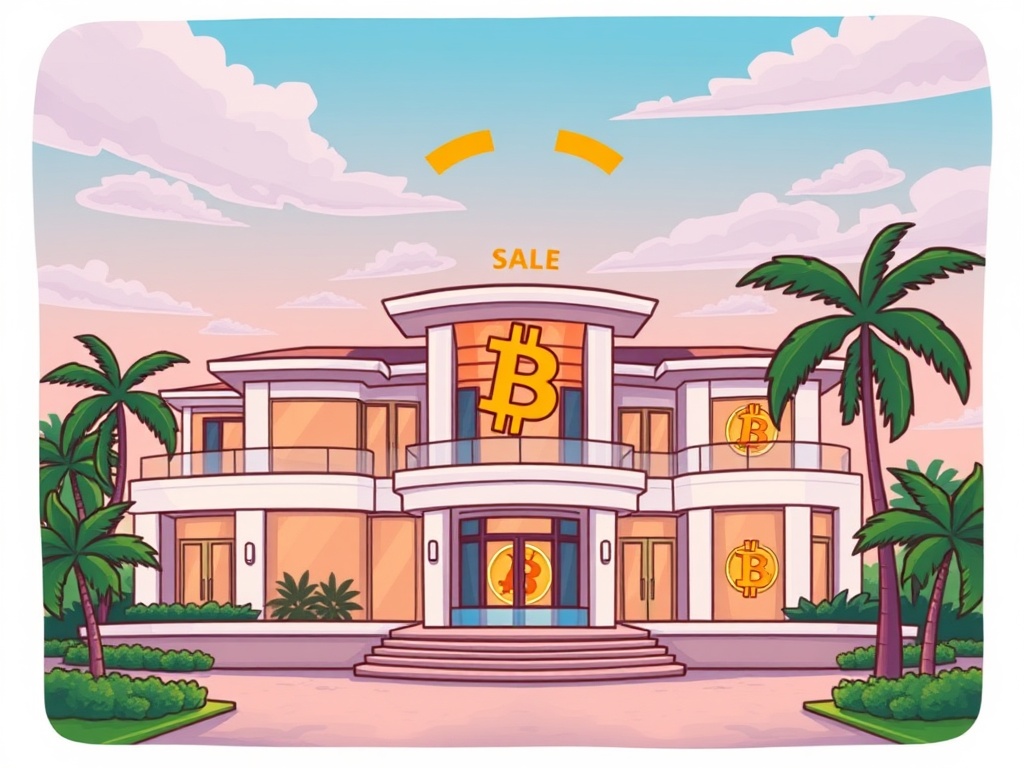
The world of luxury real estate just witnessed a groundbreaking moment, sending ripples across both traditional finance and the burgeoning digital asset space. American self-made millionaire and entrepreneur, Grant Cardone, has successfully sold his opulent Miami mansion in Golden Beach for an astonishing 400 Bitcoin (BTC), equivalent to $43 million. This landmark Bitcoin real estate transaction, reported by Bitcoin News on X, occurred with remarkable speed, finding a buyer within just 72 hours of being listed. It underscores a powerful shift, demonstrating how digital currencies are increasingly becoming a viable and preferred medium for high-value asset exchanges.

What Makes This Bitcoin Real Estate Transaction So Significant?

Grant Cardone’s recent sale is more than just a headline-grabbing deal; it represents a pivotal moment for the integration of cryptocurrencies into mainstream finance. This particular Bitcoin real estate transaction stands out for several compelling reasons:

  • Unprecedented Speed: Selling a multi-million dollar property, especially one of this caliber, in just 72 hours is exceptionally rare in the traditional market. The use of Bitcoin likely streamlined the transaction process, bypassing some of the typical delays associated with conventional banking systems.
  • Massive Scale: A $43 million property changing hands for 400 BTC highlights the growing confidence in Bitcoin as a store of value and a medium of exchange for substantial wealth. It’s not just small purchases; we are talking about significant capital.
  • Validation for Crypto: For years, skeptics questioned the practical utility of cryptocurrencies beyond speculative trading. This sale offers tangible proof of Bitcoin’s growing acceptance and utility in the luxury asset market, pushing it further into the mainstream.
  • Cardone’s Influence: As a well-known entrepreneur and financial influencer, Grant Cardone’s endorsement of such a transaction lends considerable credibility to the concept of digital asset payments, encouraging others to explore similar avenues.

This event signals a maturing market where digital assets are no longer confined to niche tech circles but are actively shaping global commerce.

Is Bitcoin Real Estate Becoming the New Norm for Luxury Deals?

While Grant Cardone’s sale is a high-profile example, it’s part of a broader trend. The appeal of using cryptocurrencies for high-value purchases, particularly in real estate, is steadily growing. Many believe that Bitcoin real estate transactions offer distinct advantages:

  • Enhanced Efficiency: Cryptocurrency transactions can settle much faster than traditional wire transfers, which often involve multiple intermediaries and can take days, especially for international deals.
  • Reduced Fees: Depending on the platform and network conditions, crypto transactions can sometimes incur lower fees compared to the significant charges associated with large fiat transfers or international banking.
  • Global Accessibility: Bitcoin transcends geographical boundaries, making it easier for international buyers and sellers to conduct transactions without the complexities of currency conversions and cross-border banking regulations.

However, it is crucial to acknowledge the challenges. The volatility of cryptocurrencies, for instance, means the value of 400 BTC could fluctuate significantly between the agreement and settlement dates. Regulatory uncertainties and complex tax implications also remain key considerations for anyone venturing into this space. Despite these hurdles, the momentum suggests that crypto-backed property deals are here to stay and likely to increase.

For individuals considering entering the world of Bitcoin real estate, whether as a buyer or a seller, several actionable insights are paramount. The landscape is evolving rapidly, and being well-informed is key to success:

  • Seek Expert Advice: Always consult with legal and financial professionals who specialize in cryptocurrency and real estate. They can help navigate the complex tax implications, regulatory requirements, and ensure a smooth, compliant transaction.
  • Understand Volatility: Be prepared for potential price fluctuations. Strategies like locking in the fiat value at the time of agreement or using stablecoins might be considered, though Cardone’s deal was purely BTC.
  • Secure Custody Solutions: Ensure robust security for your digital assets. Whether using hardware wallets or reputable institutional custodians, protecting your Bitcoin is vital.
  • Verify Authenticity: Due diligence is even more critical in crypto transactions. Verify the legitimacy of all parties involved and the authenticity of the digital assets being exchanged.

This pioneering sale by Grant Cardone is a clear signal that digital assets are not just an investment vehicle but a transformative force in the global economy, especially in high-value sectors like luxury real estate. It challenges traditional financial norms and paves the way for a more digitized future.

Grant Cardone’s astonishing Bitcoin real estate sale of his Miami mansion marks a monumental stride for cryptocurrency adoption in the luxury property market. This swift, multi-million dollar transaction underscores Bitcoin’s growing utility, challenging conventional financial processes and highlighting the increasing confidence in digital assets. While challenges like volatility and regulation persist, this event undeniably propels the conversation around crypto-backed transactions forward, hinting at a future where digital currencies play an even more central role in high-value exchanges. It’s a testament to the evolving financial landscape, proving that innovation continues to reshape how we buy and sell our most prized possessions.

Frequently Asked Questions (FAQs)

1. What was the value of Grant Cardone’s Miami mansion sale in USD?

The Miami mansion was sold for 400 BTC, which was equivalent to $43 million at the time of the report.

2. How quickly did Grant Cardone’s mansion sell using Bitcoin?

The luxury residence sold remarkably fast, finding a buyer within just 72 hours of being listed.

3. Why did Grant Cardone choose to sell his property for Bitcoin?

While the exact reasons aren’t fully detailed, selling for Bitcoin offers benefits like potentially faster transaction times and taps into a global pool of crypto-wealthy buyers, demonstrating confidence in digital assets.

4. Are Bitcoin real estate transactions common?

While not yet mainstream, high-profile Bitcoin real estate transactions like Cardone’s are becoming increasingly frequent, especially in the luxury market, signaling a growing trend.

5. What are the main challenges of using Bitcoin for real estate?

Key challenges include cryptocurrency price volatility, regulatory uncertainties, and complex tax implications that require expert financial and legal advice.

Did Grant Cardone’s pioneering Bitcoin real estate sale spark your interest? Share this article with your network and join the conversation about the future of digital assets in luxury markets!

To learn more about the latest crypto market trends, explore our article on key developments shaping Bitcoin’s institutional adoption.

This post Pioneering Bitcoin Real Estate: Grant Cardone’s Stunning $43M Miami Mansion Sale first appeared on BitcoinWorld and is written by Editorial Team

Market Opportunity
Threshold Logo
Threshold Price(T)
$0.007074
$0.007074$0.007074
+0.01%
USD
Threshold (T) Live Price Chart
Disclaimer: The articles reposted on this site are sourced from public platforms and are provided for informational purposes only. They do not necessarily reflect the views of MEXC. All rights remain with the original authors. If you believe any content infringes on third-party rights, please contact [email protected] for removal. MEXC makes no guarantees regarding the accuracy, completeness, or timeliness of the content and is not responsible for any actions taken based on the information provided. The content does not constitute financial, legal, or other professional advice, nor should it be considered a recommendation or endorsement by MEXC.

You May Also Like

TROPTIONS Corporation Announces Strategic Partnership with Luxor Holdings to Bridge Real-World…

TROPTIONS Corporation Announces Strategic Partnership with Luxor Holdings to Bridge Real-World…

TROPTIONS Corporation Announces Strategic Partnership with Luxor Holdings to Bridge Real-World Assets and Blockchain Technology. FOR IMMEDIATE RELEASE TROPTIONS
Share
Medium2026/02/07 22:26
Foreigner’s Lou Gramm Revisits The Band’s Classic ‘4’ Album, Now Reissued

Foreigner’s Lou Gramm Revisits The Band’s Classic ‘4’ Album, Now Reissued

The post Foreigner’s Lou Gramm Revisits The Band’s Classic ‘4’ Album, Now Reissued appeared on BitcoinEthereumNews.com. American-based rock band Foreigner performs onstage at the Rosemont Horizon, Rosemont, Illinois, November 8, 1981. Pictured are, from left, Mick Jones, on guitar, and vocalist Lou Gramm. (Photo by Paul Natkin/Getty Images) Getty Images Singer Lou Gramm has a vivid memory of recording the ballad “Waiting for a Girl Like You” at New York City’s Electric Lady Studio for his band Foreigner more than 40 years ago. Gramm was adding his vocals for the track in the control room on the other side of the glass when he noticed a beautiful woman walking through the door. “She sits on the sofa in front of the board,” he says. “She looked at me while I was singing. And every now and then, she had a little smile on her face. I’m not sure what that was, but it was driving me crazy. “And at the end of the song, when I’m singing the ad-libs and stuff like that, she gets up,” he continues. “She gives me a little smile and walks out of the room. And when the song ended, I would look up every now and then to see where Mick [Jones] and Mutt [Lange] were, and they were pushing buttons and turning knobs. They were not aware that she was even in the room. So when the song ended, I said, ‘Guys, who was that woman who walked in? She was beautiful.’ And they looked at each other, and they went, ‘What are you talking about? We didn’t see anything.’ But you know what? I think they put her up to it. Doesn’t that sound more like them?” “Waiting for a Girl Like You” became a massive hit in 1981 for Foreigner off their album 4, which peaked at number one on the Billboard chart for 10 weeks and…
Share
BitcoinEthereumNews2025/09/18 01:26
First Multi-Asset Crypto ETP Opens Door to Institutional Adoption

First Multi-Asset Crypto ETP Opens Door to Institutional Adoption

The post First Multi-Asset Crypto ETP Opens Door to Institutional Adoption appeared on BitcoinEthereumNews.com. The US Securities and Exchange Commission (SEC) has officially approved the Grayscale Digital Large Cap Fund (GDLC) for trading on the stock exchange. The decision comes as the SEC also relaxes ETF listing standards. This approval provides easier access for traditional investors and signals a major regulatory shift, paving the way for institutional capital to flow into the crypto market. Grayscale Races to Launch the First Multi-Asset Crypto ETP According to Grayscale CEO Peter Mintzberg, the Grayscale Digital Large Cap Fund ($GDLC) and the Generic Listing Standards have just been approved for trading. Sponsored Sponsored Grayscale Digital Large Cap Fund $GDLC was just approved for trading along with the Generic Listing Standards. The Grayscale team is working expeditiously to bring the FIRST multi #crypto asset ETP to market with Bitcoin, Ethereum, XRP, Solana, and Cardano#BTC #ETH $XRP $SOL… — Peter Mintzberg (@PeterMintzberg) September 17, 2025 The Grayscale Digital Large Cap Fund (GDLC) is the first multi-asset crypto Exchange-Traded Product (ETP). It includes Bitcoin (BTC), Ethereum (ETH), XRP, Solana (SOL), and Cardano (ADA). As of September, the portfolio allocation was 72.23%, 12.17%, 5.62%, 4.03%, and 1% respectively. Grayscale Digital Large Cap Fund (GDLC) Portfolio Allocation. Source: Grayscale Grayscale Investments launched GDLC in 2018. The fund’s primary goal is to expose investors to the most significant digital assets in the market without requiring them to buy, store, or secure the coins directly. In July, the SEC delayed its decision to convert GDLC from an OTC fund into an exchange-listed ETP on NYSE Arca, citing further review. However, the latest developments raise investors’ hopes that a multi-asset crypto ETP from Grayscale will soon become a reality. Approval under the Generic Listing Standards will help “streamline the process,” opening the door for more crypto ETPs. Ethereum, Solana, XRP, and ADA investors are the most…
Share
BitcoinEthereumNews2025/09/18 13:31