

OpenAI’s new Wall Street AI stack is coming for crypto next
OpenAI’s latest financial-services tools plug ChatGPT into FactSet, Third Bridge, Excel, and Google Sheets, laying the groundwork for AI agents that can treat crypto as just another institutional asset class.
- Tools let finance professionals pull data, run models, and draft memos directly in ChatGPT.
- The same setup can be wired into crypto market and on-chain data, lowering the barrier to automated strategies.
- OpenAI’s broader push into financial workflows positions AI as core infrastructure for both tradfi and digital assets.
OpenAI’s move to wire ChatGPT directly into FactSet, Third Bridge, and spreadsheet environments is being sold as a play for banks, asset managers, and research shops, but the architecture is asset-agnostic.
Once you have an AI layer that can ingest institutional data, build models, and draft investment memos, swapping equities for Bitcoin (BTC), Ethereum (ETH), or alt liquidity pools is just a matter of pointing the same stack at different feeds: exchange APIs, on-chain analytics, and derivatives venues.
OpenAI’s broader agent framework is already being used alongside crypto APIs to automate portfolio rebalancing, yield monitoring, and strategy execution, turning what used to be bespoke quant and dev work into something closer to configuration. That lowers the barrier to running systematic strategies in DeFi and centralized venues, and it pushes crypto trading desks to look more like lean, AI-augmented quant pods than discretionary shops.
At a higher level, the company is positioning itself as middleware for financial workflows, not just a chatbot, embedding AI into risk, reporting, and decision-making across fintech and banking. If that stack becomes standard, crypto will be pulled into the same pipelines, priced and risk-managed by the same agents that handle equities and credit, with human analysts increasingly supervising rather than building models from scratch. For digital assets, the signal is clear: the real AI trade is not another token launch, but the quiet normalization of crypto inside an AI-native financial operating system.


You May Also Like
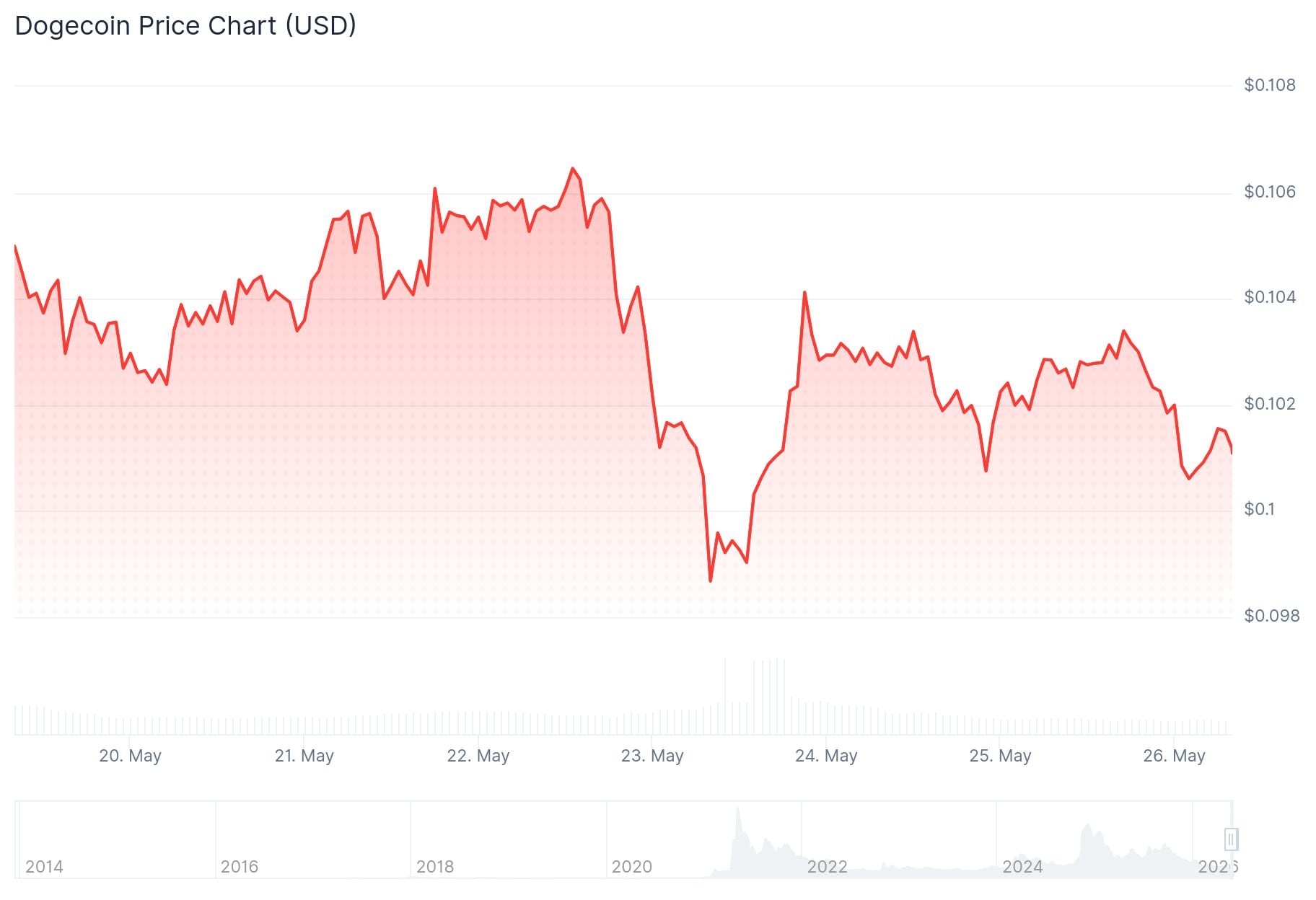
Dogecoin (DOGE) Price: ETF Inflows Hold Steady for Four Weeks as Price Tests Key Support

Chainlink Whale Activity Rises While Price Bleeds for 7 Straight Months
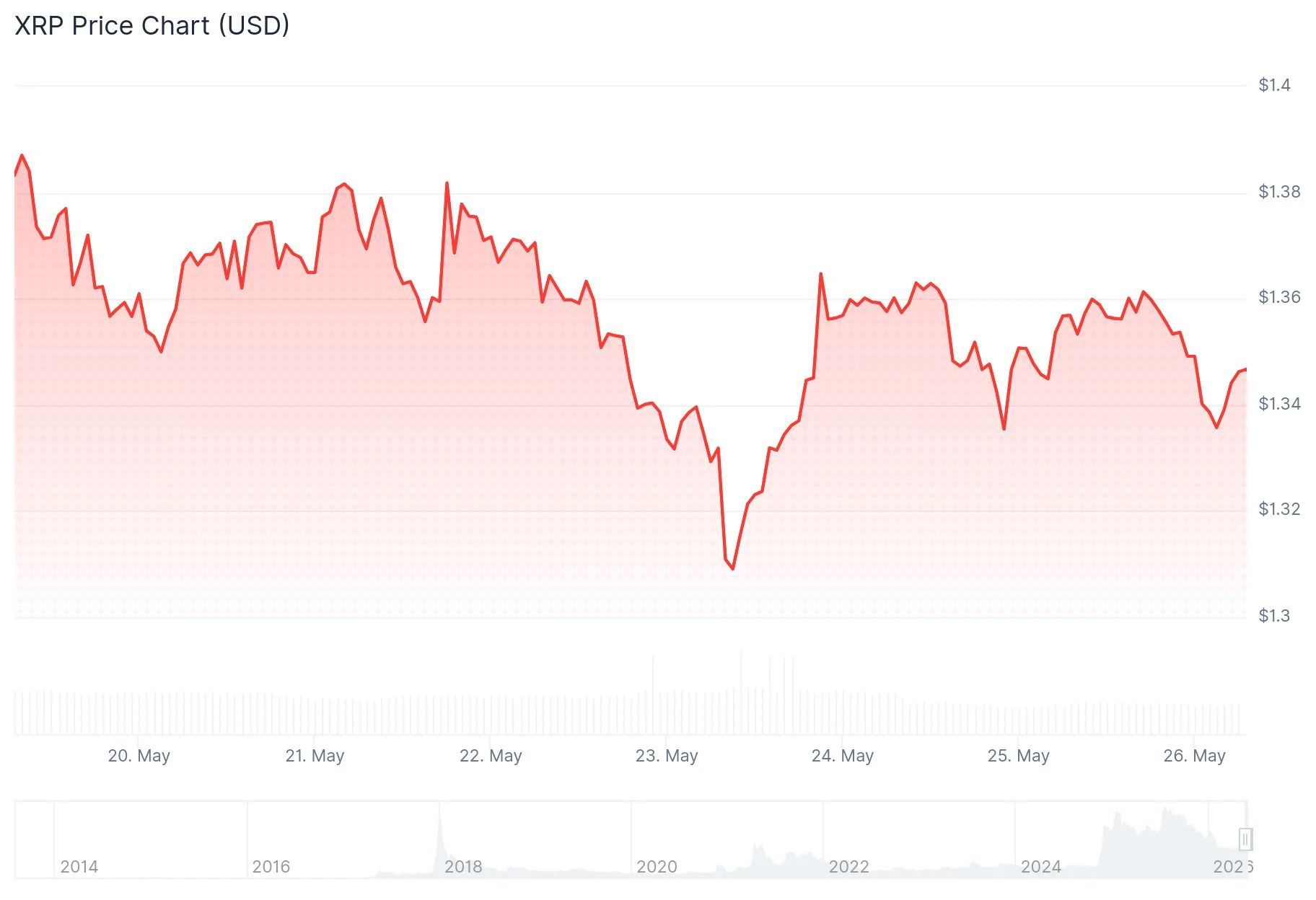
Chris Larsen’s $3.5B XRP Holdings See Fresh Blockchain Movement



