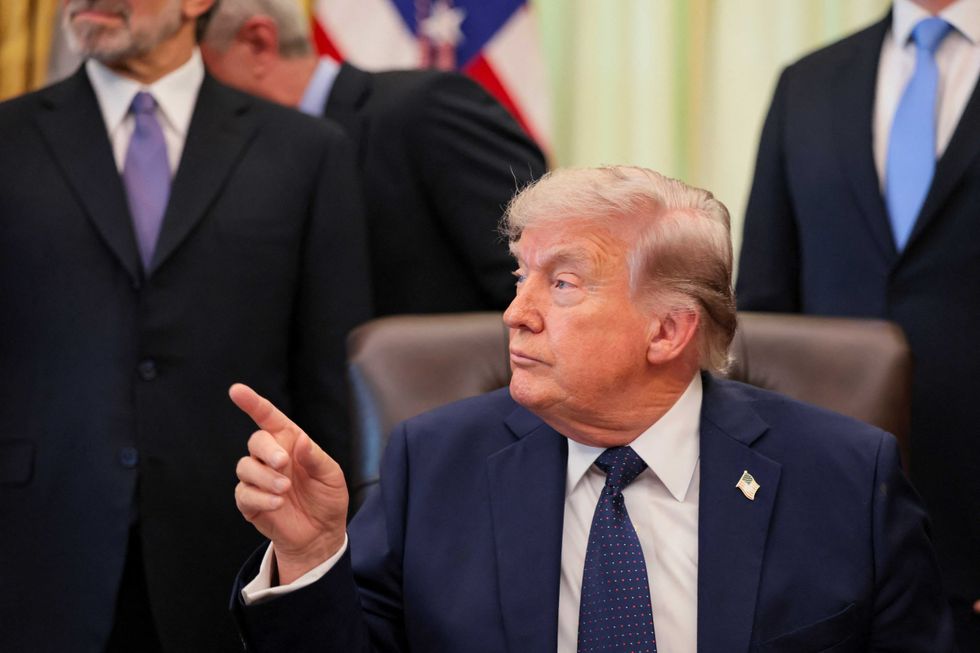
Former U.S. presidential candidate and Libertarian icon Ron Paul has stated that Bitcoin should be allowed to function as a currency in the USA and compete against the Dollar. The 90-year-old retired politician is known for his Libertarian credentials and his efforts to support free-market trade in the country, a concept that has been overshadowed by the era of massive corporations and governments subsidizing their success. Why Libertarians Like Ron Paul Love Crypto? The former 12-time US Congressman famously ran against the neoconservative Mitt Romney during the 2012 US Presidential election’s Republican primary, but couldn’t win the nomination. His seemingly radical ideas of Federal Reserve audits, borderless trade, and decentralization were ahead of their time and aligned with the ethos promoted by the cryptocurrency revolution. The cryptocurrency revolution began in 2008, during the height of the financial crisis, and proposed an open-source monetary transfer mechanism that offered a vision of a borderless future. Many of the early adopters of Bitcoin included online privacy advocates, cypherpunks, and Libertarians. For the latter, crypto was a way to challenge the supremacy of the central banks and their hegemony.  Rand Paul Continues Father’s Stance Many with Libertarian tendencies look at the 2012 presidential election as a major missed opportunity to bring the USA back to its constitutional roots, instead of overstretched global roles. His son, Senator Rand Paul (R-KY), has also continued his line on a number of political positions, including that on crypto. The senator said back in a 2021 Axios interview: “Here is what I have started to believe now: that the government currencies have become so unreliable. They are also fiat currencies, backed by nothing. The dollar has been the most stable among currencies, which is why it is the reserve currency. I’ve now actually started to question whether or not cryptocurrency could actually become the world’s reserve currency as more and more people lose confidence in the government”. However, Rand Paul and other Libertarian-leaning politicians don’t see eye-to-eye with the current US government setup and its efforts to promote crypto in the country. Senator Paul recently voted down a Trump-led proposal to allow stablecoin transactions in the country, calling them counterproductive to the cause. Libertarian tendencies are on the rise in the USA, with even President Donald Trump famously delivering a speech through the platform before his re-election in 2024. However, the monetary status quo is likely to engage in some backlash against crypto in the future, and Libertarians are once again predicted to take crypto’s side. Former U.S. presidential candidate and Libertarian icon Ron Paul has stated that Bitcoin should be allowed to function as a currency in the USA and compete against the Dollar. The 90-year-old retired politician is known for his Libertarian credentials and his efforts to support free-market trade in the country, a concept that has been overshadowed by the era of massive corporations and governments subsidizing their success. Why Libertarians Like Ron Paul Love Crypto? The former 12-time US Congressman famously ran against the neoconservative Mitt Romney during the 2012 US Presidential election’s Republican primary, but couldn’t win the nomination. His seemingly radical ideas of Federal Reserve audits, borderless trade, and decentralization were ahead of their time and aligned with the ethos promoted by the cryptocurrency revolution. The cryptocurrency revolution began in 2008, during the height of the financial crisis, and proposed an open-source monetary transfer mechanism that offered a vision of a borderless future. Many of the early adopters of Bitcoin included online privacy advocates, cypherpunks, and Libertarians. For the latter, crypto was a way to challenge the supremacy of the central banks and their hegemony.  Rand Paul Continues Father’s Stance Many with Libertarian tendencies look at the 2012 presidential election as a major missed opportunity to bring the USA back to its constitutional roots, instead of overstretched global roles. His son, Senator Rand Paul (R-KY), has also continued his line on a number of political positions, including that on crypto. The senator said back in a 2021 Axios interview: “Here is what I have started to believe now: that the government currencies have become so unreliable. They are also fiat currencies, backed by nothing. The dollar has been the most stable among currencies, which is why it is the reserve currency. I’ve now actually started to question whether or not cryptocurrency could actually become the world’s reserve currency as more and more people lose confidence in the government”. However, Rand Paul and other Libertarian-leaning politicians don’t see eye-to-eye with the current US government setup and its efforts to promote crypto in the country. Senator Paul recently voted down a Trump-led proposal to allow stablecoin transactions in the country, calling them counterproductive to the cause. Libertarian tendencies are on the rise in the USA, with even President Donald Trump famously delivering a speech through the platform before his re-election in 2024. However, the monetary status quo is likely to engage in some backlash against crypto in the future, and Libertarians are once again predicted to take crypto’s side.

Bitcoin Should Be Legal, Allowed to Compete with the Dollar: Conservative Icon Ron Paul
2025/09/06 16:15

BTC Primed For Trillion-Dollar Boost As BlackRock Offers Direct Bitcoin Exposure To Institutional Investors

Former U.S. presidential candidate and Libertarian icon Ron Paul has stated that Bitcoin should be allowed to function as a currency in the USA and compete against the Dollar. The 90-year-old retired politician is known for his Libertarian credentials and his efforts to support free-market trade in the country, a concept that has been overshadowed by the era of massive corporations and governments subsidizing their success.

Why Libertarians Like Ron Paul Love Crypto?

The former 12-time US Congressman famously ran against the neoconservative Mitt Romney during the 2012 US Presidential election’s Republican primary, but couldn’t win the nomination. His seemingly radical ideas of Federal Reserve audits, borderless trade, and decentralization were ahead of their time and aligned with the ethos promoted by the cryptocurrency revolution.

The cryptocurrency revolution began in 2008, during the height of the financial crisis, and proposed an open-source monetary transfer mechanism that offered a vision of a borderless future. Many of the early adopters of Bitcoin included online privacy advocates, cypherpunks, and Libertarians. For the latter, crypto was a way to challenge the supremacy of the central banks and their hegemony. 

Rand Paul Continues Father’s Stance

Many with Libertarian tendencies look at the 2012 presidential election as a major missed opportunity to bring the USA back to its constitutional roots, instead of overstretched global roles. His son, Senator Rand Paul (R-KY), has also continued his line on a number of political positions, including that on crypto. The senator said back in a 2021 Axios interview:

“Here is what I have started to believe now: that the government currencies have become so unreliable. They are also fiat currencies, backed by nothing. The dollar has been the most stable among currencies, which is why it is the reserve currency. I’ve now actually started to question whether or not cryptocurrency could actually become the world’s reserve currency as more and more people lose confidence in the government”.

However, Rand Paul and other Libertarian-leaning politicians don’t see eye-to-eye with the current US government setup and its efforts to promote crypto in the country. Senator Paul recently voted down a Trump-led proposal to allow stablecoin transactions in the country, calling them counterproductive to the cause.

Libertarian tendencies are on the rise in the USA, with even President Donald Trump famously delivering a speech through the platform before his re-election in 2024. However, the monetary status quo is likely to engage in some backlash against crypto in the future, and Libertarians are once again predicted to take crypto’s side.


Disclaimer: The articles reposted on this site are sourced from public platforms and are provided for informational purposes only. They do not necessarily reflect the views of MEXC. All rights remain with the original authors. If you believe any content infringes on third-party rights, please contact [email protected] for removal. MEXC makes no guarantees regarding the accuracy, completeness, or timeliness of the content and is not responsible for any actions taken based on the information provided. The content does not constitute financial, legal, or other professional advice, nor should it be considered a recommendation or endorsement by MEXC.

You May Also Like

‘Already seen the low?’ – Inside Cathie Wood’s bet on a new Bitcoin cycle

‘Already seen the low?’ – Inside Cathie Wood’s bet on a new Bitcoin cycle

The post ‘Already seen the low?’ – Inside Cathie Wood’s bet on a new Bitcoin cycle appeared on BitcoinEthereumNews.com. Bitcoin has rarely looked more fragile, and many analysts are already referring to this as the worst fourth quarter on record, marked by a massive leverage wipeout and a steep drop from its all-time highs. For over a decade, Bitcoin [BTC] has followed a harsh, predictable pattern: a Halving event, a commendable rally to new highs, and then a brutal 75–90% crash that resets the entire market. This cycle shaped the crypto world and created the “crypto winter” mentality that traders have come to expect. Cathie Wood challenges the four-year cycle But according to Cathie Wood, CEO and CIO of ARK Invest, those old rules no longer apply. Speaking with Fox Business, Wood made a profound declaration: institutional adoption is actively “disrupting” the traditional Bitcoin cycle. Wood noted that growing participation in U.S. Spot Bitcoin ETFs had started to change how BTC absorbed volatility. She pointed to a steady decline in its two-year volatility trend over the past five years, adding fuel to the idea of a maturing asset. Why Bitcoin’s old pattern may be fading Wood’s view challenges over a decade of beliefs built around Bitcoin’s strict, predictable four-year cycle. The evidence for this cycle is compelling.  For instance, the 2012 Halving saw Bitcoin surge from under $10 to a peak of roughly $1,100; the 2016 Halving fueled a climb from $400 to nearly $20,000; and the 2020 Halving propelled the asset from $8,500 to a record high of around $69,000. Each of these explosive rallies was followed by a painful, defining drawdown of 70% to 85%, resetting the stage for the next run. This predictable pattern, last triggered by the 20th April 2024, Halving, has historically been the sole script for investors. Yet, this time, the narrative feels disjointed and disruptive. What is Wood so concerned about? Wood…
Share
BitcoinEthereumNews2025/12/11 19:15
The Critical Security Play You Can’t Miss in the AI Era

The Critical Security Play You Can’t Miss in the AI Era

The post The Critical Security Play You Can’t Miss in the AI Era appeared on BitcoinEthereumNews.com. The Watershed Moment That Changed Blockchain Security Forever Singapore – Blockman PR – December 2025 marked a turning point. Anthropic’s research team published findings that sent shockwaves through crypto: AI systems could successfully exploit smart contract vulnerabilities with 55.88% accuracy, simulating $4.6 million in potential theft from real-world contracts. The implications were existential. If AI could systematically identify and exploit vulnerabilities at scale, the entire blockchain ecosystem—processing over $1 trillion in transactions annually—faced an unprecedented threat. Traditional security tools couldn’t keep pace. Human auditors, already stretched thin reviewing less than 20% of deployed contracts, had no chance against autonomous AI attackers. But here’s what most people missed: Anthropic’s breakthrough wasn’t just validation of the threat. It was validation of the solution space. And one company had already been building that solution for six months—and winning. The Defense Was Already Operational While Anthropic demonstrated AI could break smart contracts in simulation, AgentLISA had been defending them in production. By the time Anthropic’s paper dropped, AgentLISA’s multi-agent system had detected over $7.3 million in actual vulnerabilities across real protocols managing billions in assets. The asymmetry is critical: Anthropic proved the threat is real and AI-powered. AgentLISA proved the defense is real, AI-powered, and already operational at scale. This matters because Anthropic’s research exposed something fundamental: the AI security race will be won by whoever controls the training data. And AgentLISA just lapped the entire field. LISA-Bench: The Data Moat Nobody Saw Coming https://github.com/agentlisa/bench Anthropic’s team used SCONE-bench—a dataset of 413 vulnerable smart contracts—to train their attack models. Solid methodology, respectable work. But fundamentally constrained by data scarcity. AgentLISA’s response was devastating: LISA-Bench, containing 23,959 professionally verified vulnerability records spanning 2016-2024—the largest curated smart contract vulnerability dataset ever assembled. It’s not just 60 times larger than SCONE-bench. It includes 10,185 code-complete vulnerability cases…
Share
BitcoinEthereumNews2025/12/11 19:01