BitcoinWorld WLFI Foundation’s Urgent Challenge: CryptoQuant CEO Defends Justin Sun Amidst Asset Freeze The cryptocurrency world is buzzing with an urgent and significant controversy involving Tron founder Justin Sun and the WLFI Foundation. This dispute highlights crucial questions about asset control and the responsibilities of decentralized autonomous organizations (DAOs) or foundations. When CryptoQuant CEO Ju Ki-young publicly sided with Justin Sun, it sent ripples across the industry, challenging the WLFI Foundation‘s recent actions. What’s the Dispute with the WLFI Foundation All About? The core of the issue revolves around the WLFI Foundation‘s decision to blacklist Justin Sun’s address. Consequently, his WLFI tokens were frozen. This move has drawn sharp criticism from prominent figures like Ju Ki-young, the CEO of CryptoQuant. Ju Ki-young voiced his strong disapproval on X, arguing that Sun did not sell the tokens in question. Moreover, he emphasized that even if Sun had chosen to sell them, it would not have been problematic. Why? Because the tokens were explicitly unlocked, granting Sun full discretion over their use. Blacklisting: The WLFI Foundation blacklisted Justin Sun’s address. Asset Freeze: His WLFI tokens were subsequently frozen. Ju Ki-young’s Stance: He argues Sun had every right to the tokens, whether sold or not, due to their unlocked status. Why is the WLFI Foundation’s Action So Controversial? The controversy stems from the fundamental principles of crypto: ownership and control. When a foundation, even one associated with a decentralized project, takes action to freeze a user’s assets, it raises serious alarms. Ju Ki-young described this as “seizing a user’s assets,” a powerful phrase that resonates with many in the crypto community. This situation directly challenges the idea of immutable ownership often touted in blockchain technology. If tokens can be frozen or blacklisted at will, what does that mean for the security and autonomy of users? It sets a worrying precedent for how projects might handle disagreements or perceived misconduct in the future. Many believe that such actions undermine the trust users place in a project and its governing entities. It shifts power away from individual holders and towards a centralized decision-making body, even if that body is a foundation. What Does This Mean for User Trust and the WLFI Foundation’s Future? The implications of the WLFI Foundation‘s actions extend beyond Justin Sun. This incident could significantly impact user trust across the broader crypto ecosystem. Users are increasingly concerned about the security of their digital assets and the potential for unilateral actions by project teams or foundations. For the WLFI Foundation itself, this event presents a crucial moment for reflection. Transparency and clear, pre-defined policies are paramount in the crypto space. Without these, any foundation risks alienating its community and damaging its reputation. Accountability for such decisions is vital to maintain credibility. Key Challenges for the WLFI Foundation: Restoring Trust: How will the foundation regain the confidence of its users and the wider crypto community? Policy Clarity: Are there clear, publicly available policies outlining the circumstances under which assets can be frozen? Decentralization Ethos: Does such a centralized action align with the decentralized principles often promoted by crypto projects? Navigating the Future: Lessons for Decentralized Projects and the WLFI Foundation This incident serves as a powerful reminder for all decentralized projects and their associated foundations. The line between protecting a project and infringing on user rights can be thin. Establishing robust governance models that prioritize transparency, user autonomy, and due process is not just good practice; it’s essential for long-term sustainability. Moving forward, the WLFI Foundation faces the task of addressing these concerns head-on. A clear explanation of their reasoning, coupled with a commitment to review and clarify their policies, could help mitigate the damage. The crypto community watches closely, hoping for resolutions that uphold the principles of digital asset ownership. Ultimately, the strength of any crypto project lies in its community’s trust. Actions that appear to arbitrarily seize assets can erode that trust rapidly. Therefore, open dialogue and a commitment to fair practices are the bedrock upon which the future of decentralized finance must be built. In conclusion, the ongoing dispute between CryptoQuant CEO Ju Ki-young, Justin Sun, and the WLFI Foundation underscores a critical debate within the crypto world. It’s a stark reminder that while innovation drives the industry forward, fundamental principles of ownership, transparency, and accountability must remain at its core. The resolution of this issue will undoubtedly set a precedent for how similar challenges are addressed in the future, making it a pivotal moment for digital asset governance. Frequently Asked Questions (FAQs) Q1: Who is Ju Ki-young and what is his role in this dispute? A1: Ju Ki-young is the CEO of CryptoQuant, a prominent on-chain analytics firm. He publicly sided with Justin Sun, criticizing the WLFI Foundation‘s decision to freeze Sun’s tokens and arguing for the foundation’s accountability. Q2: Why does Ju Ki-young believe Justin Sun’s tokens should not have been frozen? A2: Ju Ki-young asserts that Justin Sun did not sell the tokens. More importantly, he highlighted that even if Sun had sold them, it would not have been an issue because the tokens were “unlocked,” meaning Sun had full legitimate control over them. Q3: What are the main concerns raised by the WLFI Foundation’s action? A3: The primary concerns include the perceived “seizing of user assets,” which challenges fundamental crypto principles of ownership and decentralization. It raises questions about user autonomy, trust in foundations, and the potential for unilateral actions in the crypto space. Q4: How might this incident impact the broader cryptocurrency industry? A4: This dispute could set a precedent for how other decentralized projects and foundations manage user assets and disputes. It emphasizes the critical need for transparent policies, robust governance, and accountability to maintain user trust and uphold the ethos of decentralized finance. Q5: What is the WLFI Foundation expected to do next? A5: While specific actions are yet to be seen, the WLFI Foundation is under pressure to provide clear explanations for its decision, review its policies, and demonstrate a commitment to transparency and fair practices to mitigate reputational damage and restore community trust. What are your thoughts on this unfolding controversy? Share this article with your network and join the conversation about asset ownership, decentralization, and accountability in the crypto world. Your insights help shape the future of our digital financial landscape! To learn more about the latest crypto market trends, explore our article on key developments shaping the crypto market’s institutional adoption. This post WLFI Foundation’s Urgent Challenge: CryptoQuant CEO Defends Justin Sun Amidst Asset Freeze first appeared on BitcoinWorld and is written by Editorial TeamBitcoinWorld WLFI Foundation’s Urgent Challenge: CryptoQuant CEO Defends Justin Sun Amidst Asset Freeze The cryptocurrency world is buzzing with an urgent and significant controversy involving Tron founder Justin Sun and the WLFI Foundation. This dispute highlights crucial questions about asset control and the responsibilities of decentralized autonomous organizations (DAOs) or foundations. When CryptoQuant CEO Ju Ki-young publicly sided with Justin Sun, it sent ripples across the industry, challenging the WLFI Foundation‘s recent actions. What’s the Dispute with the WLFI Foundation All About? The core of the issue revolves around the WLFI Foundation‘s decision to blacklist Justin Sun’s address. Consequently, his WLFI tokens were frozen. This move has drawn sharp criticism from prominent figures like Ju Ki-young, the CEO of CryptoQuant. Ju Ki-young voiced his strong disapproval on X, arguing that Sun did not sell the tokens in question. Moreover, he emphasized that even if Sun had chosen to sell them, it would not have been problematic. Why? Because the tokens were explicitly unlocked, granting Sun full discretion over their use. Blacklisting: The WLFI Foundation blacklisted Justin Sun’s address. Asset Freeze: His WLFI tokens were subsequently frozen. Ju Ki-young’s Stance: He argues Sun had every right to the tokens, whether sold or not, due to their unlocked status. Why is the WLFI Foundation’s Action So Controversial? The controversy stems from the fundamental principles of crypto: ownership and control. When a foundation, even one associated with a decentralized project, takes action to freeze a user’s assets, it raises serious alarms. Ju Ki-young described this as “seizing a user’s assets,” a powerful phrase that resonates with many in the crypto community. This situation directly challenges the idea of immutable ownership often touted in blockchain technology. If tokens can be frozen or blacklisted at will, what does that mean for the security and autonomy of users? It sets a worrying precedent for how projects might handle disagreements or perceived misconduct in the future. Many believe that such actions undermine the trust users place in a project and its governing entities. It shifts power away from individual holders and towards a centralized decision-making body, even if that body is a foundation. What Does This Mean for User Trust and the WLFI Foundation’s Future? The implications of the WLFI Foundation‘s actions extend beyond Justin Sun. This incident could significantly impact user trust across the broader crypto ecosystem. Users are increasingly concerned about the security of their digital assets and the potential for unilateral actions by project teams or foundations. For the WLFI Foundation itself, this event presents a crucial moment for reflection. Transparency and clear, pre-defined policies are paramount in the crypto space. Without these, any foundation risks alienating its community and damaging its reputation. Accountability for such decisions is vital to maintain credibility. Key Challenges for the WLFI Foundation: Restoring Trust: How will the foundation regain the confidence of its users and the wider crypto community? Policy Clarity: Are there clear, publicly available policies outlining the circumstances under which assets can be frozen? Decentralization Ethos: Does such a centralized action align with the decentralized principles often promoted by crypto projects? Navigating the Future: Lessons for Decentralized Projects and the WLFI Foundation This incident serves as a powerful reminder for all decentralized projects and their associated foundations. The line between protecting a project and infringing on user rights can be thin. Establishing robust governance models that prioritize transparency, user autonomy, and due process is not just good practice; it’s essential for long-term sustainability. Moving forward, the WLFI Foundation faces the task of addressing these concerns head-on. A clear explanation of their reasoning, coupled with a commitment to review and clarify their policies, could help mitigate the damage. The crypto community watches closely, hoping for resolutions that uphold the principles of digital asset ownership. Ultimately, the strength of any crypto project lies in its community’s trust. Actions that appear to arbitrarily seize assets can erode that trust rapidly. Therefore, open dialogue and a commitment to fair practices are the bedrock upon which the future of decentralized finance must be built. In conclusion, the ongoing dispute between CryptoQuant CEO Ju Ki-young, Justin Sun, and the WLFI Foundation underscores a critical debate within the crypto world. It’s a stark reminder that while innovation drives the industry forward, fundamental principles of ownership, transparency, and accountability must remain at its core. The resolution of this issue will undoubtedly set a precedent for how similar challenges are addressed in the future, making it a pivotal moment for digital asset governance. Frequently Asked Questions (FAQs) Q1: Who is Ju Ki-young and what is his role in this dispute? A1: Ju Ki-young is the CEO of CryptoQuant, a prominent on-chain analytics firm. He publicly sided with Justin Sun, criticizing the WLFI Foundation‘s decision to freeze Sun’s tokens and arguing for the foundation’s accountability. Q2: Why does Ju Ki-young believe Justin Sun’s tokens should not have been frozen? A2: Ju Ki-young asserts that Justin Sun did not sell the tokens. More importantly, he highlighted that even if Sun had sold them, it would not have been an issue because the tokens were “unlocked,” meaning Sun had full legitimate control over them. Q3: What are the main concerns raised by the WLFI Foundation’s action? A3: The primary concerns include the perceived “seizing of user assets,” which challenges fundamental crypto principles of ownership and decentralization. It raises questions about user autonomy, trust in foundations, and the potential for unilateral actions in the crypto space. Q4: How might this incident impact the broader cryptocurrency industry? A4: This dispute could set a precedent for how other decentralized projects and foundations manage user assets and disputes. It emphasizes the critical need for transparent policies, robust governance, and accountability to maintain user trust and uphold the ethos of decentralized finance. Q5: What is the WLFI Foundation expected to do next? A5: While specific actions are yet to be seen, the WLFI Foundation is under pressure to provide clear explanations for its decision, review its policies, and demonstrate a commitment to transparency and fair practices to mitigate reputational damage and restore community trust. What are your thoughts on this unfolding controversy? Share this article with your network and join the conversation about asset ownership, decentralization, and accountability in the crypto world. Your insights help shape the future of our digital financial landscape! To learn more about the latest crypto market trends, explore our article on key developments shaping the crypto market’s institutional adoption. This post WLFI Foundation’s Urgent Challenge: CryptoQuant CEO Defends Justin Sun Amidst Asset Freeze first appeared on BitcoinWorld and is written by Editorial Team

WLFI Foundation’s Urgent Challenge: CryptoQuant CEO Defends Justin Sun Amidst Asset Freeze

2025/09/06 19:25
6 min read
For feedback or concerns regarding this content, please contact us at [email protected]

BitcoinWorld

WLFI Foundation’s Urgent Challenge: CryptoQuant CEO Defends Justin Sun Amidst Asset Freeze

The cryptocurrency world is buzzing with an urgent and significant controversy involving Tron founder Justin Sun and the WLFI Foundation. This dispute highlights crucial questions about asset control and the responsibilities of decentralized autonomous organizations (DAOs) or foundations. When CryptoQuant CEO Ju Ki-young publicly sided with Justin Sun, it sent ripples across the industry, challenging the WLFI Foundation‘s recent actions.

What’s the Dispute with the WLFI Foundation All About?

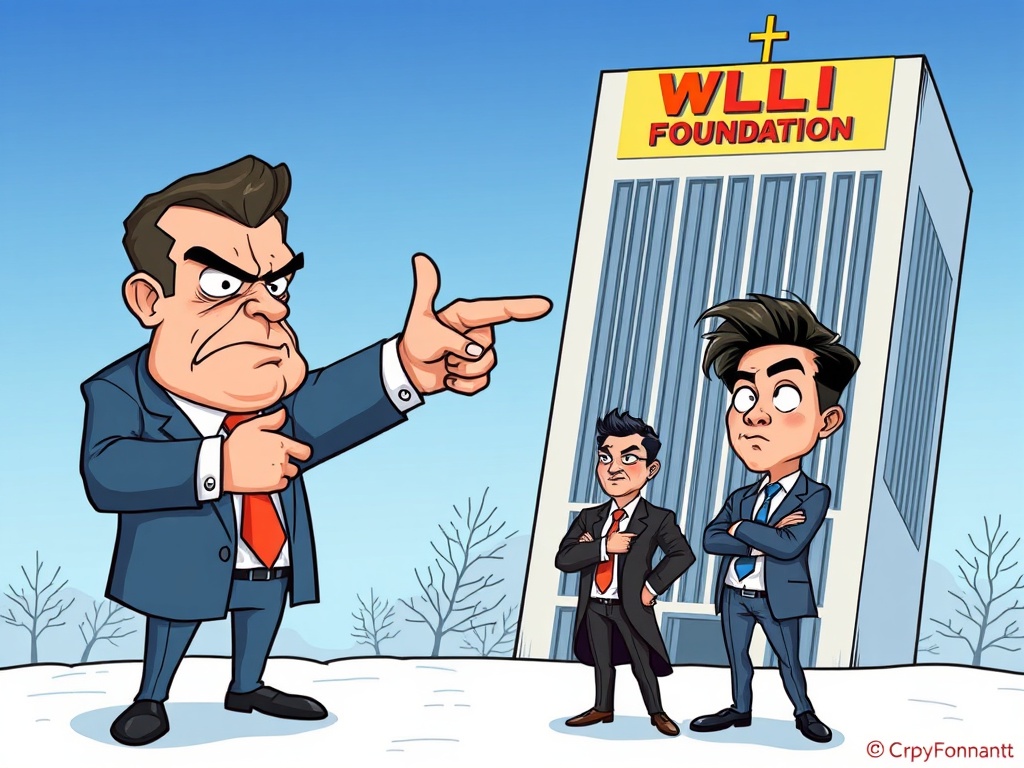
The core of the issue revolves around the WLFI Foundation‘s decision to blacklist Justin Sun’s address. Consequently, his WLFI tokens were frozen. This move has drawn sharp criticism from prominent figures like Ju Ki-young, the CEO of CryptoQuant.

Ju Ki-young voiced his strong disapproval on X, arguing that Sun did not sell the tokens in question. Moreover, he emphasized that even if Sun had chosen to sell them, it would not have been problematic. Why? Because the tokens were explicitly unlocked, granting Sun full discretion over their use.

  • Blacklisting: The WLFI Foundation blacklisted Justin Sun’s address.
  • Asset Freeze: His WLFI tokens were subsequently frozen.
  • Ju Ki-young’s Stance: He argues Sun had every right to the tokens, whether sold or not, due to their unlocked status.

Why is the WLFI Foundation’s Action So Controversial?

The controversy stems from the fundamental principles of crypto: ownership and control. When a foundation, even one associated with a decentralized project, takes action to freeze a user’s assets, it raises serious alarms. Ju Ki-young described this as “seizing a user’s assets,” a powerful phrase that resonates with many in the crypto community.

This situation directly challenges the idea of immutable ownership often touted in blockchain technology. If tokens can be frozen or blacklisted at will, what does that mean for the security and autonomy of users? It sets a worrying precedent for how projects might handle disagreements or perceived misconduct in the future.

Many believe that such actions undermine the trust users place in a project and its governing entities. It shifts power away from individual holders and towards a centralized decision-making body, even if that body is a foundation.

What Does This Mean for User Trust and the WLFI Foundation’s Future?

The implications of the WLFI Foundation‘s actions extend beyond Justin Sun. This incident could significantly impact user trust across the broader crypto ecosystem. Users are increasingly concerned about the security of their digital assets and the potential for unilateral actions by project teams or foundations.

For the WLFI Foundation itself, this event presents a crucial moment for reflection. Transparency and clear, pre-defined policies are paramount in the crypto space. Without these, any foundation risks alienating its community and damaging its reputation. Accountability for such decisions is vital to maintain credibility.

Key Challenges for the WLFI Foundation:

  • Restoring Trust: How will the foundation regain the confidence of its users and the wider crypto community?
  • Policy Clarity: Are there clear, publicly available policies outlining the circumstances under which assets can be frozen?
  • Decentralization Ethos: Does such a centralized action align with the decentralized principles often promoted by crypto projects?

Navigating the Future: Lessons for Decentralized Projects and the WLFI Foundation

This incident serves as a powerful reminder for all decentralized projects and their associated foundations. The line between protecting a project and infringing on user rights can be thin. Establishing robust governance models that prioritize transparency, user autonomy, and due process is not just good practice; it’s essential for long-term sustainability.

Moving forward, the WLFI Foundation faces the task of addressing these concerns head-on. A clear explanation of their reasoning, coupled with a commitment to review and clarify their policies, could help mitigate the damage. The crypto community watches closely, hoping for resolutions that uphold the principles of digital asset ownership.

Ultimately, the strength of any crypto project lies in its community’s trust. Actions that appear to arbitrarily seize assets can erode that trust rapidly. Therefore, open dialogue and a commitment to fair practices are the bedrock upon which the future of decentralized finance must be built.

In conclusion, the ongoing dispute between CryptoQuant CEO Ju Ki-young, Justin Sun, and the WLFI Foundation underscores a critical debate within the crypto world. It’s a stark reminder that while innovation drives the industry forward, fundamental principles of ownership, transparency, and accountability must remain at its core. The resolution of this issue will undoubtedly set a precedent for how similar challenges are addressed in the future, making it a pivotal moment for digital asset governance.

Frequently Asked Questions (FAQs)

Q1: Who is Ju Ki-young and what is his role in this dispute?
A1: Ju Ki-young is the CEO of CryptoQuant, a prominent on-chain analytics firm. He publicly sided with Justin Sun, criticizing the WLFI Foundation‘s decision to freeze Sun’s tokens and arguing for the foundation’s accountability.

Q2: Why does Ju Ki-young believe Justin Sun’s tokens should not have been frozen?
A2: Ju Ki-young asserts that Justin Sun did not sell the tokens. More importantly, he highlighted that even if Sun had sold them, it would not have been an issue because the tokens were “unlocked,” meaning Sun had full legitimate control over them.

Q3: What are the main concerns raised by the WLFI Foundation’s action?
A3: The primary concerns include the perceived “seizing of user assets,” which challenges fundamental crypto principles of ownership and decentralization. It raises questions about user autonomy, trust in foundations, and the potential for unilateral actions in the crypto space.

Q4: How might this incident impact the broader cryptocurrency industry?
A4: This dispute could set a precedent for how other decentralized projects and foundations manage user assets and disputes. It emphasizes the critical need for transparent policies, robust governance, and accountability to maintain user trust and uphold the ethos of decentralized finance.

Q5: What is the WLFI Foundation expected to do next?
A5: While specific actions are yet to be seen, the WLFI Foundation is under pressure to provide clear explanations for its decision, review its policies, and demonstrate a commitment to transparency and fair practices to mitigate reputational damage and restore community trust.

What are your thoughts on this unfolding controversy? Share this article with your network and join the conversation about asset ownership, decentralization, and accountability in the crypto world. Your insights help shape the future of our digital financial landscape!

To learn more about the latest crypto market trends, explore our article on key developments shaping the crypto market’s institutional adoption.

This post WLFI Foundation’s Urgent Challenge: CryptoQuant CEO Defends Justin Sun Amidst Asset Freeze first appeared on BitcoinWorld and is written by Editorial Team

Market Opportunity
SUN Logo
SUN Price(SUN)
$0.016034
$0.016034$0.016034
+0.35%
USD
SUN (SUN) Live Price Chart
Disclaimer: The articles reposted on this site are sourced from public platforms and are provided for informational purposes only. They do not necessarily reflect the views of MEXC. All rights remain with the original authors. If you believe any content infringes on third-party rights, please contact [email protected] for removal. MEXC makes no guarantees regarding the accuracy, completeness, or timeliness of the content and is not responsible for any actions taken based on the information provided. The content does not constitute financial, legal, or other professional advice, nor should it be considered a recommendation or endorsement by MEXC.

You May Also Like

Cloud mining is gaining popularity around the world. LgMining’s efficient cloud mining platform helps you easily deploy digital assets and lead a new wave of crypto wealth.

Cloud mining is gaining popularity around the world. LgMining’s efficient cloud mining platform helps you easily deploy digital assets and lead a new wave of crypto wealth.

The post Cloud mining is gaining popularity around the world. LgMining’s efficient cloud mining platform helps you easily deploy digital assets and lead a new wave of crypto wealth. appeared on BitcoinEthereumNews.com. SPONSORED POST* As the cryptocurrency market continues its recovery, Ethereum has once again become the center of attention for investors. Recently, the well-known crypto mining platform LgMining predicted that Ethereum may surpass its previous all-time high and surge past $5,000. In light of this rare market opportunity, choosing a high-efficiency, secure, and low-cost mining platform has become the top priority for many investors. With its cutting-edge hardware, intelligent technology, and low-cost renewable energy advantages, LgMining Cloud Mining is rapidly emerging as a leader in the cloud mining industry. Ethereum: The Driving Force of the Crypto Market Ethereum is not only the second-largest cryptocurrency by market capitalization but also the backbone of the blockchain smart contract ecosystem. From DeFi (Decentralized Finance) to NFTs (Non-Fungible Tokens) and the broader Web3.0 infrastructure, most innovations are built on Ethereum. This widespread utility gives Ethereum tremendous growth potential. With the upcoming scalability upgrades, the Ethereum network is expected to offer improved performance and transaction speed—likely triggering a fresh wave of market enthusiasm. According to the LgMining research team, Ethereum’s share among institutional and retail investors continues to grow. Combined with shifting monetary policies and global economic uncertainties, Ethereum is expected to break past its previous high of over $4,000 and aim for $5,000 or more in the coming months. LgMining Cloud Mining: Unlocking a Low-Barrier Path to Wealth Traditional crypto mining often requires expensive mining rigs, stable electricity, and complex maintenance—making it inaccessible for the average person. LgMining Cloud Mining breaks down these barriers, allowing anyone to easily participate in mining Ethereum and Bitcoin without owning hardware. LgMining builds its robust and efficient mining infrastructure around three core advantages: 1. High-End Equipment LgMining uses top-tier mining hardware with exceptional computing power and reliability. The platform’s ASIC and GPU miners are carefully selected and tested to…
Share
BitcoinEthereumNews2025/09/18 03:04
DEXTools raises $3 million to launch its perpetual DEX, "PerpTools".

DEXTools raises $3 million to launch its perpetual DEX, "PerpTools".

PANews reported on March 13 that, according to Cryptopolitan, DeFi data analytics platform DEXTools announced the completion of a $3 million funding round to launch
Share
PANews2026/03/13 09:28
Ethereum Price Holds Range Yet Whispers Grow About A Parallel Asset Set To Outperform In 2025

Ethereum Price Holds Range Yet Whispers Grow About A Parallel Asset Set To Outperform In 2025

Ethereum holds steady near $4,500, but Rollblock’s $11.7M presale, 30% buybacks, and 50x upside make it a top crypto to watch before its sale ends in 13 days.
Share
Blockchainreporter2025/09/18 03:05