Essential: Binance Temporarily Suspends ETH Deposits and Withdrawals for Crucial Network Upgrade
BitcoinWorld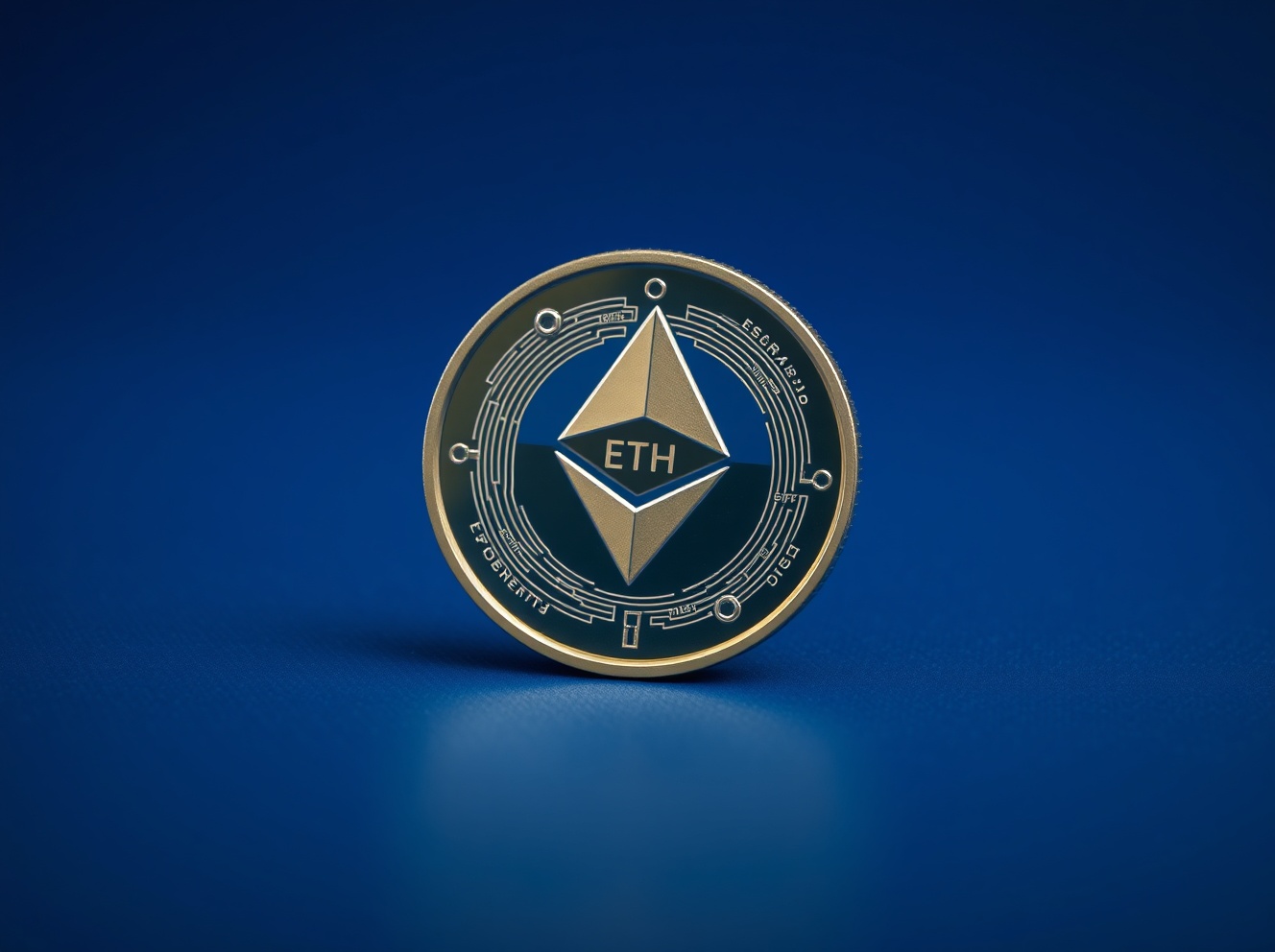
Essential: Binance Temporarily Suspends ETH Deposits and Withdrawals for Crucial Network Upgrade
Binance, the world’s largest cryptocurrency exchange by trading volume, has announced a temporary suspension of Ethereum (ETH) deposits and withdrawals scheduled for March 10, 2025. This essential maintenance window will support a critical network upgrade for the Ethereum blockchain. The exchange confirmed the suspension will begin at precisely 5:55 a.m. UTC and last approximately one hour. This planned interruption affects millions of users globally who rely on Binance for ETH transactions.
Binance ETH Suspension Details and Timeline
Binance released official notification about the Ethereum deposit and withdrawal suspension through its support channels. The exchange specified the exact timing to minimize user disruption. Trading of ETH pairs will continue normally during this period. However, users cannot move ETH tokens into or out of their Binance wallets. The company emphasized this is a standard procedure for supporting blockchain upgrades.
Network upgrades require exchanges to pause services temporarily. This precaution ensures transaction safety during protocol changes. Binance has executed similar suspensions for previous Ethereum upgrades. The one-hour estimate represents the exchange’s typical processing time. Nevertheless, the duration may extend if technical issues arise. Users should monitor official Binance announcements for updates.
Understanding the Ethereum Network Upgrade
The Ethereum blockchain undergoes regular protocol improvements. These upgrades enhance network security, efficiency, and functionality. Developers implement changes through hard forks or network updates. Exchanges must synchronize their systems with the updated blockchain. This synchronization requires temporary service pauses. The March 10 upgrade follows Ethereum’s established development roadmap.
Ethereum’s transition to proof-of-stake consensus in 2022 marked a major milestone. Subsequent upgrades have focused on scalability and cost reduction. The upcoming upgrade likely addresses transaction processing improvements. Network upgrades typically involve backward-compatible changes. However, exchanges exercise caution by suspending services. This approach prevents potential transaction errors or fund losses.
Technical Implications for Users and Traders
Cryptocurrency exchanges manage complex technical integrations during blockchain upgrades. Binance must update its node software to match the new protocol. The exchange also verifies transaction compatibility across its systems. Users should understand several important implications. First, pending ETH transactions may experience delays. Second, blockchain explorers might show temporary inconsistencies.
Third, external wallet transactions to Binance addresses will queue during the suspension. These transactions will process once services resume. Experienced traders often anticipate such maintenance windows. They adjust their trading strategies accordingly. Novice users should review Binance’s official guidance. The exchange typically provides detailed instructions before scheduled maintenance.
Historical Context of Exchange Maintenance Events
Cryptocurrency exchanges regularly perform maintenance for blockchain upgrades. Major platforms like Coinbase and Kraken follow similar procedures. These events demonstrate the evolving nature of blockchain technology. Ethereum has undergone multiple significant upgrades since its launch. Each upgrade required coordinated action across the ecosystem. The cryptocurrency industry has developed standardized practices for these events.
Previous Ethereum upgrades include:
- London Upgrade (2021): Introduced EIP-1559 fee mechanism
- Paris Upgrade (2022): Completed the Merge to proof-of-stake
- Shanghai Upgrade (2023): Enabled staking withdrawals
- Dencun Upgrade (2024): Reduced layer-2 transaction costs
Each upgrade required temporary service suspensions across exchanges. The cryptocurrency community generally accepts these brief interruptions. They represent necessary steps for network improvement. Blockchain analysts view regular upgrades positively. They indicate active development and security enhancement.
User Preparation and Best Practices
Cryptocurrency users should adopt specific practices before scheduled maintenance. First, complete any urgent ETH deposits or withdrawals before the suspension window. Second, verify transaction confirmations well in advance. Third, avoid initiating large ETH transfers near the maintenance start time. Fourth, monitor official exchange communications for updates. Fifth, understand that trading continues during deposit/withdrawal pauses.
Binance typically provides multiple notification channels. These include email alerts, in-app notifications, and website banners. The exchange also updates its status page with real-time information. Users can check this page for service availability. Responsible exchanges maintain transparent communication about maintenance events. This transparency builds trust within the user community.
Industry Expert Perspectives on Upgrade Procedures
Blockchain infrastructure specialists emphasize the importance of coordinated upgrades. Exchange suspensions protect user funds during protocol transitions. Technical experts note that even minor protocol changes require careful handling. The one-hour estimate reflects Binance’s extensive experience with Ethereum upgrades. Other exchanges might require different timeframes based on their infrastructure.
Network upgrades represent healthy blockchain development. They address security vulnerabilities and improve performance. The cryptocurrency industry has matured its upgrade procedures significantly. Early blockchain upgrades sometimes caused extended exchange outages. Current practices minimize disruption through better planning. Exchange teams now conduct extensive testing before implementing upgrades.
Broader Impact on Cryptocurrency Markets
Scheduled maintenance events rarely cause significant market movements. Experienced traders anticipate these routine procedures. However, novice investors might misinterpret maintenance announcements. They could perceive temporary suspensions as operational issues. Education about standard blockchain procedures remains important. The cryptocurrency industry continues developing user-friendly explanations.
Market analysts observe that planned maintenance typically has minimal price impact. Unexpected technical issues during upgrades present greater concern. Reputable exchanges like Binance maintain robust contingency plans. These plans address potential complications during protocol transitions. The exchange’s large user base necessitates reliable upgrade execution. Binance’s established track record provides confidence to users.
Conclusion
Binance’s temporary suspension of ETH deposits and withdrawals represents standard procedure for supporting Ethereum network upgrades. The March 10 maintenance window allows the exchange to implement necessary protocol changes safely. Users should prepare by completing urgent transactions before the scheduled pause. The cryptocurrency industry has developed mature practices for these events through years of blockchain evolution. Regular network upgrades demonstrate Ethereum’s ongoing development and security enhancement. Binance’s transparent communication about the ETH suspension maintains trust with its global user base while ensuring technical compliance with blockchain improvements.
FAQs
Q1: Can I still trade ETH on Binance during the suspension?
Yes, ETH trading will continue normally. Only deposits and withdrawals will be temporarily suspended.
Q2: What happens to ETH transactions I send to Binance during the suspension?
Transactions will queue and process automatically once deposits resume. You may see delayed confirmations.
Q3: Will other cryptocurrencies be affected during this maintenance?
No, only Ethereum (ETH) deposits and withdrawals will be suspended. Other cryptocurrencies continue normally.
Q4: How often does Binance perform this type of maintenance?
Binance performs maintenance for major blockchain upgrades, typically several times per year for various cryptocurrencies.
Q5: What should I do if the suspension lasts longer than one hour?
Monitor Binance’s official status page and announcements. The exchange will provide updates if the maintenance extends beyond the estimated time.
This post Essential: Binance Temporarily Suspends ETH Deposits and Withdrawals for Crucial Network Upgrade first appeared on BitcoinWorld.


You May Also Like

The Chemistry of UV Resistance: How Titanium Dioxide Protects Against the California Sun
'You are wasting my time': Senator loses patience as Sean Duffy retorts 'Welcome to MAGA'