Ethereum Stablecoin Supply Hits $165B, Setting New ATH
- Stablecoin supply on Ethereum hits a record high of $165 billion, showing strong demand and growing on-chain liquidity.
- Ethereum now dominates the stablecoin market, holding over $165B in assets, reflecting rising institutional and retail adoption.
The stablecoin supply on the Ethereum network reached a new record of $165 billion, according to data from Token Terminal. This figure marks an all-time high and demonstrates Ethereum’s strong role in the global stablecoin ecosystem.
The rapid growth from August to September 2025 demonstrates the continued flow of liquidity into the network. To some, this figure seems insane—just imagine, more than half of the world’s stablecoins now circulate on Ethereum.
Stablecoins Become the Core Fuel for DeFi Expansion
This surge coincides with an upward trend in stablecoin reserves on crypto exchanges. Based on our previous report, the continued rise in reserves signals a large amount of capital ready to be invested in various instruments, including DeFi, DEXs, and other liquidity protocols.
Furthermore, a low Stablecoin Supply Ratio (SSR) indicates substantial buying power in the decentralized market. This combination is like fuel waiting for the right moment to explode.
Conversely, this trend also demonstrates the increasing reliance on stablecoins by traders and institutions. They utilize these assets not only as temporary parking, but also as instruments to access yield opportunities, liquidity, and even cross-protocol financing.
Furthermore, stablecoin price stability provides a safe haven for market participants looking to enter the DeFi space without being burdened by the volatility of other crypto tokens.
New zkVM Proposal Promises to Boost Ethereum Efficiency
Interestingly, this development coincides with a new technical idea on Ethereum. As reported by CNF, Vitalik Buterin highlighted a zkVM proposal called leanVM. The design is simple, with only four core instructions, utilizing multilinear STARKs to reduce commitment costs.
LeanVM focuses on XMSS aggregation and recursion, which currently takes around 2.7 seconds. The goal? A tenfold performance improvement.
If this goal is achieved, Ethereum could become significantly more efficient at processing cryptographic proofs. The impact would be clearly felt in the DeFi sector, where validation speed and cost are often bottlenecks.
Imagine, amid the already record-breaking supply of stablecoins, a technical breakthrough could also emerge that could make the network more agile. The combination of abundant liquidity and a continuously honed technological foundation could make Ethereum increasingly difficult to compete with.
However, many are wondering: will this vast stablecoin liquidity remain on Ethereum, or will it gradually migrate to other networks offering lower transaction fees? This question is quite relevant, given the increasingly fierce competition between chains in DeFi and payments. Nevertheless, for now, Ethereum’s dominance remains unwavering.
Meanwhile, as of the writing time, ETH is changing hands at about 4,298.23, up 0.17% over the last 24 hours and moving sideways over the last 7 days.
You May Also Like

CME lanceert binnenkort opties op Solana en XRP futures
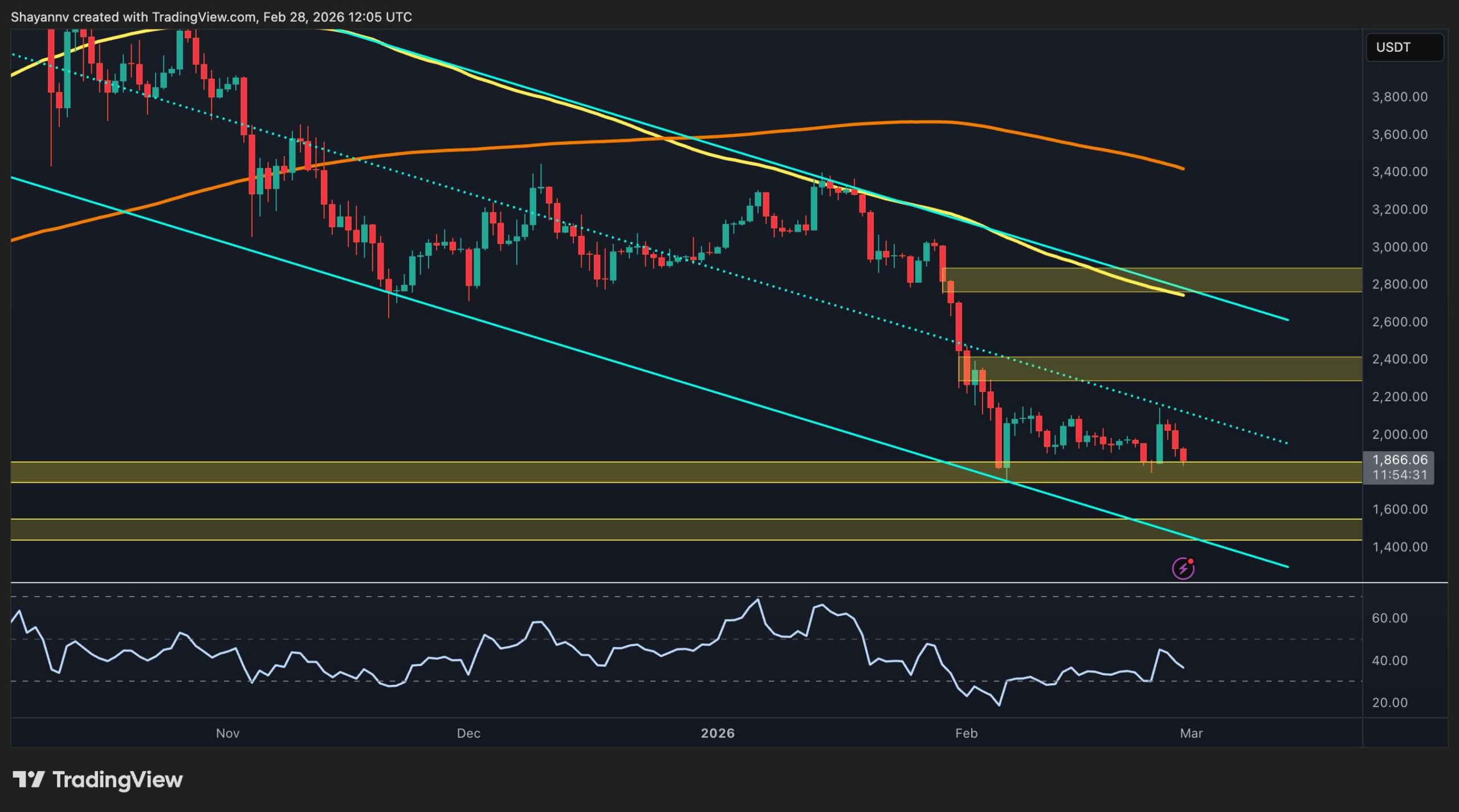
Ethereum Price Analysis: ETH Must Reclaim This Key Level to Confirm a Bullish Reversal