Oil Volatility: Critical Analysis of Hormuz Risks and the Supply Countdown Clock – Rabobank
BitcoinWorld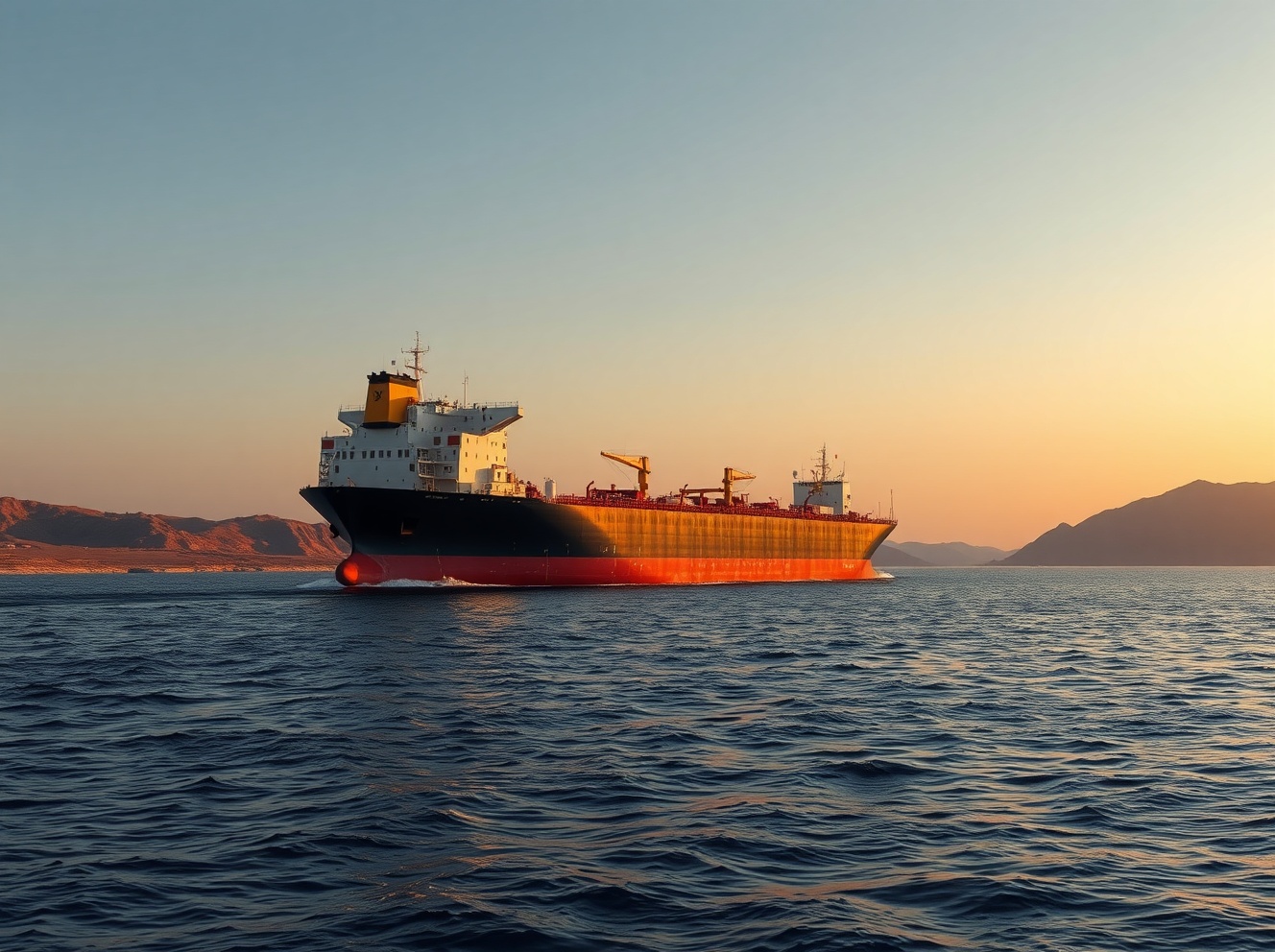
Oil Volatility: Critical Analysis of Hormuz Risks and the Supply Countdown Clock – Rabobank
Global energy markets face mounting pressure as oil volatility intensifies amid escalating geopolitical tensions and critical supply deadlines. Rabobank’s latest analysis, released this week, highlights the precarious balance in global crude markets as the strategic Strait of Hormuz becomes a focal point for supply chain concerns. The Dutch multinational banking and financial services company provides a detailed examination of market dynamics that could shape energy prices through 2025 and beyond.
Oil Volatility Reaches Critical Levels
Recent trading sessions have witnessed significant price swings in crude oil benchmarks. Brent crude futures have experienced fluctuations exceeding 5% within single trading weeks, reflecting heightened market sensitivity. Several interconnected factors drive this instability. Firstly, shifting demand patterns create uncertainty as economies navigate post-pandemic recovery phases. Secondly, inventory levels at key global hubs show concerning trends. For instance, the United States Strategic Petroleum Reserve remains at historically low levels following coordinated releases.
Furthermore, production decisions by major oil-producing nations add another layer of complexity. The Organization of the Petroleum Exporting Countries and its allies, known as OPEC+, continue to adjust output quotas. These adjustments respond to both market conditions and diplomatic pressures. Market analysts monitor these developments closely because they directly impact global supply balances. Consequently, traders react swiftly to any signals about future production changes.
Geopolitical Risks in the Strait of Hormuz
The narrow maritime chokepoint between Oman and Iran carries extraordinary significance for global energy security. Approximately 21 million barrels of oil pass through the Strait of Hormuz daily. This volume represents nearly one-third of the world’s seaborne traded oil. The waterway’s strategic importance cannot be overstated. Any disruption there would immediately affect global supply chains. Recent incidents have heightened concerns about navigation safety in the region.
Several specific risk factors contribute to the current tense situation:
- Maritime Security Incidents: Multiple reported confrontations between naval forces and commercial shipping
- Regional Tensions: Ongoing diplomatic disputes involving coastal states
- Insurance Premiums: Rising costs for vessels transiting the area
- Alternative Routes: Limited viable options for rerouting large tankers
Historical data shows that previous disruptions in the region caused immediate price spikes. For example, the 2019 tanker attacks resulted in a 15% price increase within two weeks. Current geopolitical developments suggest similar vulnerabilities persist today. Energy analysts therefore monitor the situation with particular attention.
Rabobank’s Risk Assessment Methodology
Rabobank employs a multi-factor analysis framework to evaluate energy market risks. Their approach combines quantitative data with qualitative geopolitical assessment. The bank’s commodities research team examines several key indicators. These include shipping traffic patterns, regional military deployments, and diplomatic communications. Additionally, they analyze insurance market data as a proxy for perceived risk levels.
The assessment produces a risk probability matrix with three primary scenarios:
| Scenario | Probability | Potential Price Impact |
|---|---|---|
| Limited Disruption | 60% | +5% to +15% |
| Moderate Closure | 30% | +25% to +40% |
| Major Conflict | 10% | +50% or higher |
This structured approach helps market participants prepare for various potential outcomes. The analysis also considers secondary effects on related energy commodities.
The Countdown Clock for Global Supply
Beyond immediate geopolitical concerns, structural factors create additional pressure points. Rabobank identifies several approaching deadlines that could reshape supply dynamics. The energy transition timeline creates particular tension. Many investment decisions face imminent deadlines. For instance, final investment decisions for major oil projects typically require years of lead time. Delays now could create supply gaps later this decade.
Several critical timelines converge in the coming months:
- OPEC+ Agreement Reviews: Key production agreements face renewal deadlines
- Strategic Reserve Replenishment: Major consuming nations have announced replenishment schedules
- Infrastructure Maintenance: Seasonal maintenance cycles for refineries and pipelines
- Shipping Regulations: New environmental standards affecting vessel availability
These converging factors create what Rabobank terms a “countdown clock” scenario. Market participants must navigate multiple simultaneous deadlines. Each deadline carries potential implications for supply availability. Consequently, the cumulative effect could amplify price volatility through 2025.
Historical Context and Market Memory
Current market conditions show similarities to previous periods of heightened volatility. The 1973 oil embargo demonstrated how geopolitical events can transform energy markets. More recently, the 2008 price spike revealed how financial speculation can amplify fundamental imbalances. Rabobank’s analysis places current developments within this historical framework.
The bank notes several important differences from past crises. Today’s markets feature more diversified supply sources. Additionally, alternative energy options provide some buffer against oil price shocks. However, the fundamental importance of stable oil supplies remains unchanged. This continuity explains why certain chokepoints retain their strategic significance decades after initial identification.
Global Economic Implications
Sustained oil volatility carries broad consequences beyond energy markets. Transportation costs immediately reflect fuel price changes. These costs then ripple through supply chains for countless goods. Manufacturing sectors particularly sensitive to energy inputs face margin pressures. Central banks monitor these developments because energy prices significantly influence inflation metrics.
Emerging market economies often feel the strongest effects. Many developing nations lack diversified energy portfolios. They therefore experience greater economic disruption from oil price swings. This vulnerability creates additional diplomatic and financial stability concerns. International institutions like the International Monetary Fund typically adjust growth forecasts following sustained oil price movements.
Conclusion
Rabobank’s comprehensive analysis reveals a complex landscape for global oil markets. The convergence of geopolitical risks and structural deadlines creates unprecedented challenges. Oil volatility appears likely to remain elevated through 2025. The Strait of Hormuz represents the most immediate flashpoint for potential supply disruptions. Market participants must therefore maintain vigilant monitoring of regional developments. Simultaneously, they should prepare for the multiple countdown clocks affecting longer-term supply dynamics. This dual focus on immediate risks and structural trends provides the most complete picture of coming market conditions.
FAQs
Q1: What percentage of global oil shipments pass through the Strait of Hormuz?
Approximately 21 million barrels daily, representing nearly one-third of all seaborne traded oil and about 20% of total global oil consumption.
Q2: How does Rabobank assess geopolitical risks in energy markets?
The bank employs a multi-factor framework combining quantitative shipping data, military deployment analysis, diplomatic communications monitoring, and insurance market indicators to create probability-weighted scenarios.
Q3: What are the main drivers of current oil price volatility?
Primary factors include geopolitical tensions in key shipping lanes, OPEC+ production decisions, global inventory levels, demand uncertainty amid economic transitions, and approaching deadlines for infrastructure investments.
Q4: How do oil price spikes typically affect global inflation?
Sustained price increases of 20% or more generally add 0.5-1.0 percentage points to headline inflation rates in major economies, with stronger effects in energy-importing emerging markets.
Q5: What alternatives exist if the Strait of Hormuz becomes impassable?
Limited options include pipeline routes through Saudi Arabia and the UAE, longer shipping routes around Africa, increased production from other regions, and drawdowns from strategic petroleum reserves, though all involve significant costs and capacity constraints.
This post Oil Volatility: Critical Analysis of Hormuz Risks and the Supply Countdown Clock – Rabobank first appeared on BitcoinWorld.


You May Also Like

USD/JPY: Breakout risk on BoJ surprise – ING

Whale Accumulates 72K HYPE Worth $30.6M