BitcoinWorld Sam Altman’s Alarming Warning: Are Social Media Bots Erasing Digital Authenticity? In the rapidly evolving landscape of digital finance and decentralized technologies, trust is paramount. Yet, a fundamental pillar of our online world—the authenticity of human interaction—is under siege. Recently, tech titan Sam Altman, a figure well-known in both the AI and crypto communities, voiced a startling concern: Social Media Bots are making it nearly impossible to discern real human voices from artificial ones. This realization, shared by the OpenAI CEO and Reddit shareholder, resonates deeply in a world increasingly reliant on verifiable information and genuine engagement, where the very fabric of Digital Authenticity is at stake. Sam Altman’s Epiphany: The Blurring Lines of Human Interaction On a seemingly ordinary Monday, Sam Altman took to X (formerly Twitter) to share a profound observation that sent ripples across the tech world. His epiphany stemmed from an experience on the r/Claudecode subreddit, a forum buzzing with discussions around coding and AI. He noticed a peculiar trend: an overwhelming number of posts praising OpenAI Codex, the software programming service launched by OpenAI to compete with Anthropic’s Claude Code. The volume of users claiming to have switched to Codex was so high that one Reddit user even quipped, “Is it possible to switch to codex without posting a topic on Reddit?” This barrage of seemingly enthusiastic posts left Altman questioning their origin. He confessed, “I have had the strangest experience reading this: I assume it’s all fake/bots, even though in this case I know codex growth is really strong and the trend here is real.” His candid live-analysis on X unpacked several layers to this digital dilemma: LLM-Speak Adoption: Real people are starting to adopt the stylistic quirks of Large Language Models (LLMs), making their natural communication sound artificial. Extremely Online Correlation: Highly active social media users tend to converge in their communication styles and opinions, creating echo chambers that can feel inorganic. Hype Cycle Extremism: The “it’s so over/we’re so back” pendulum swing of online hype cycles often leads to exaggerated, almost performative, enthusiasm or despair. Platform Optimization: Social platforms, driven by engagement metrics and creator monetization, inadvertently incentivize content that might blur the lines of authenticity. Astroturfing Sensitivity: Past experiences with competitors engaging in “astroturfing” (covertly paid promotion or criticism) have made Altman extra vigilant. Actual Bots: And, of course, the undeniable presence of genuine bots contributing to the noise. This observation by Sam Altman highlights a critical paradox: LLMs, spearheaded by OpenAI, were designed to mimic human communication, yet their very success now makes human expression feel suspect. The irony is palpable, especially considering OpenAI’s models were extensively trained on data from platforms like Reddit, where Altman himself held a board position until 2022 and remains a significant shareholder. The Proliferation of Social Media Bots and the Erosion of Trust Altman’s concerns are not unfounded; they reflect a growing crisis of trust in our digital spaces. The pervasive presence of Social Media Bots has fundamentally altered how we perceive and interact with online content. These automated accounts, ranging from simple spam bots to sophisticated propaganda machines, manipulate narratives, inflate engagement, and sow discord, making it increasingly difficult for users to discern genuine sentiment from engineered noise. Consider the scale of the problem: data security firm Imperva reported that over half of all internet traffic in 2024 was non-human, with a significant portion attributed to LLMs. Even X’s own AI bot, Grok, estimates “hundreds of millions of bots on X.” This isn’t just about a few annoying spam accounts; it’s about an industrial-scale operation impacting public opinion, market sentiment, and even geopolitical narratives. The concept of “astroturfing” — the practice of masking the sponsors of a message or organization to make it appear as though it originates from grassroots participants — is particularly insidious. When companies or political entities employ this tactic, often through bots or paid human actors, it creates a false sense of popular support or opposition. Altman’s acknowledgment of OpenAI having been “astroturfed” underscores the prevalence of this deceptive practice across the tech industry, further muddying the waters of Digital Authenticity. How Advanced AI Models Are Redefining Online Reality At the heart of this dilemma lies the unprecedented sophistication of modern AI Models. OpenAI’s Large Language Models have achieved such proficiency in generating human-like text that they have become a double-edged sword. While they empower creativity and efficiency, they also contribute to the very ‘fakeness’ that Altman laments. A stark example of this dynamic played out with the release of GPT 5.0. Instead of the anticipated wave of praise, OpenAI subreddits experienced a significant backlash. Users voiced anger over everything from GPT’s perceived “personality” shifts to issues with credit consumption and unfinished tasks. This surge of negative feedback, which led Altman to conduct a Reddit “ask-me-anything” session to address rollout issues, demonstrated genuine human frustration — a stark contrast to the potentially bot-driven praise for Codex. The GPT subreddit, even after Altman’s intervention, has struggled to regain its former level of positive sentiment, with users regularly posting about their dissatisfaction with GPT 5.0’s changes. The impact of advanced AI Models extends far beyond social media. Their ability to generate convincing text, images, and even video has become a “plague” in various sectors: Education: Plagiarism and the challenge of assessing genuine student work. Journalism: The proliferation of AI-generated articles blurring the lines of factual reporting. Courts: The potential for AI-generated evidence or arguments to mislead legal processes. The very tools designed to augment human capability are now challenging our ability to trust what we see and read online. This profound shift calls into question the future of verifiable information in an increasingly AI-saturated world. Bitcoin World Event: Join 10k+ Tech and VC Leaders at Disrupt 2025 Netflix, Box, a16z, ElevenLabs, Wayve, Sequoia Capital, Elad Gil — just some of the 250+ heavy hitters leading 200+ sessions designed to deliver the insights that fuel startup growth and sharpen your edge. Don’t miss the 20th anniversary of Bitcoin World, and a chance to learn from the top voices in tech. Grab your ticket before Sept 26 to save up to $668. San Francisco | October 27-29, 2025. REGISTER NOW. Founders: land your investor and sharpen your pitch. Investors: discover your next breakout startup. Innovators: claim a front-row seat to the future. Join 10,000+ tech leaders at the epicenter of innovation. Register now and save up to $668. Regular Bird rates end September 26. Register Now. OpenAI’s Paradox: The Creator’s Dilemma in a Bot-Filled World The irony of OpenAI’s position is undeniable. As the pioneer in developing sophisticated LLMs, it simultaneously contributes to the “fakeness” of social media while its CEO, Sam Altman, highlights the problem. This paradox becomes even more intriguing when considering the rumors of OpenAI’s potential foray into building its own social media platform. In April, The Verge reported on early-stage discussions within OpenAI to create a social product designed to rival giants like X and Facebook. If such a platform were to materialize, it would face a monumental challenge: how to ensure Digital Authenticity in a world teeming with AI-generated content. What are the odds that a social network launched by the creators of GPT could be a truly bot-free zone? The very technology that fuels the “fake” feeling online would be at the core of its creation. This raises a crucial question about responsibility and the ethical implications of developing powerful AI tools without robust safeguards for their societal impact. Adding another layer to this complexity, research from the University of Amsterdam demonstrated that even a social network composed entirely of bots quickly devolved into familiar patterns of human interaction: bots formed cliques, developed echo chambers, and exhibited correlated behaviors. This suggests that the issues of online “fakeness” and polarization might not just be a human problem amplified by bots, but an inherent dynamic that can emerge even in purely artificial social environments. Reclaiming Digital Authenticity in an AI-Dominated Landscape The “net effect,” as Sam Altman observes, is that “AI twitter/AI Reddit feels very fake in a way it really didn’t a year or two ago.” This erosion of Digital Authenticity poses a significant threat not just to casual social media use, but to the integrity of information itself — a concern that deeply resonates within the cryptocurrency and blockchain communities, where verifiable truth and trustless systems are foundational principles. So, what can be done to reclaim our online spaces from this deluge of synthetic content? It requires a multi-pronged approach involving users, platforms, and technological innovation: Empowering Users with Critical Literacy: Skepticism as a Virtue: Cultivate a healthy skepticism towards all online content, especially that which evokes strong emotional responses or seems too perfect. Pattern Recognition: Learn to identify common “LLM-speak” patterns, generic phrases, and lack of genuine personal experience in posts. Source Verification: Always cross-reference information from multiple, reputable sources before accepting it as truth. Platform Accountability and Innovation: Transparent AI Labeling: Platforms should implement clear, standardized labeling for AI-generated content, similar to how “paid promotion” is disclosed. Advanced Bot Detection: Invest heavily in sophisticated AI-powered systems designed specifically to detect and neutralize malicious bots, evolving as fast as the bots themselves. Incentivizing Genuine Interaction: Shift away from pure engagement metrics towards models that reward thoughtful, authentic human interaction and content creation. Technological Solutions and Industry Collaboration: Decentralized Identity (DeID): Explore blockchain-based decentralized identity solutions that could offer verifiable proof of humanity without compromising privacy. AI for AI Detection: Develop advanced AI Models specifically trained to identify AI-generated text, images, and audio with high accuracy. Open Standards: Foster collaboration across the tech industry to establish open standards for content provenance and verification, potentially leveraging cryptographic signatures. The challenge is immense, but the stakes — the very integrity of our digital public squares and the reliability of information — are too high to ignore. Reclaiming Digital Authenticity will require a collective commitment to innovation, transparency, and a renewed focus on fostering genuine human connection in the age of AI. Conclusion: Navigating the Future of Human-AI Interaction Sam Altman’s candid reflections on the “fakeness” of social media serve as a powerful wake-up call. As Social Media Bots and sophisticated AI Models continue to proliferate, the line between human and machine-generated content becomes increasingly indistinct. This erosion of Digital Authenticity not only threatens our ability to trust online information but also undermines the very essence of genuine human connection and public discourse. While the irony of OpenAI’s role in both creating and highlighting this problem is evident, it also underscores the urgent need for comprehensive solutions. The path forward demands vigilance, technological innovation, and a collective commitment from users, platforms, and developers to prioritize truth and transparency in our digital lives. Only then can we hope to navigate the complex future of human-AI interaction with confidence. To learn more about the latest AI market trends and how AI Models are shaping our digital future, explore our article on key developments shaping AI features and institutional adoption. This post Sam Altman’s Alarming Warning: Are Social Media Bots Erasing Digital Authenticity? first appeared on BitcoinWorld and is written by Editorial TeamBitcoinWorld Sam Altman’s Alarming Warning: Are Social Media Bots Erasing Digital Authenticity? In the rapidly evolving landscape of digital finance and decentralized technologies, trust is paramount. Yet, a fundamental pillar of our online world—the authenticity of human interaction—is under siege. Recently, tech titan Sam Altman, a figure well-known in both the AI and crypto communities, voiced a startling concern: Social Media Bots are making it nearly impossible to discern real human voices from artificial ones. This realization, shared by the OpenAI CEO and Reddit shareholder, resonates deeply in a world increasingly reliant on verifiable information and genuine engagement, where the very fabric of Digital Authenticity is at stake. Sam Altman’s Epiphany: The Blurring Lines of Human Interaction On a seemingly ordinary Monday, Sam Altman took to X (formerly Twitter) to share a profound observation that sent ripples across the tech world. His epiphany stemmed from an experience on the r/Claudecode subreddit, a forum buzzing with discussions around coding and AI. He noticed a peculiar trend: an overwhelming number of posts praising OpenAI Codex, the software programming service launched by OpenAI to compete with Anthropic’s Claude Code. The volume of users claiming to have switched to Codex was so high that one Reddit user even quipped, “Is it possible to switch to codex without posting a topic on Reddit?” This barrage of seemingly enthusiastic posts left Altman questioning their origin. He confessed, “I have had the strangest experience reading this: I assume it’s all fake/bots, even though in this case I know codex growth is really strong and the trend here is real.” His candid live-analysis on X unpacked several layers to this digital dilemma: LLM-Speak Adoption: Real people are starting to adopt the stylistic quirks of Large Language Models (LLMs), making their natural communication sound artificial. Extremely Online Correlation: Highly active social media users tend to converge in their communication styles and opinions, creating echo chambers that can feel inorganic. Hype Cycle Extremism: The “it’s so over/we’re so back” pendulum swing of online hype cycles often leads to exaggerated, almost performative, enthusiasm or despair. Platform Optimization: Social platforms, driven by engagement metrics and creator monetization, inadvertently incentivize content that might blur the lines of authenticity. Astroturfing Sensitivity: Past experiences with competitors engaging in “astroturfing” (covertly paid promotion or criticism) have made Altman extra vigilant. Actual Bots: And, of course, the undeniable presence of genuine bots contributing to the noise. This observation by Sam Altman highlights a critical paradox: LLMs, spearheaded by OpenAI, were designed to mimic human communication, yet their very success now makes human expression feel suspect. The irony is palpable, especially considering OpenAI’s models were extensively trained on data from platforms like Reddit, where Altman himself held a board position until 2022 and remains a significant shareholder. The Proliferation of Social Media Bots and the Erosion of Trust Altman’s concerns are not unfounded; they reflect a growing crisis of trust in our digital spaces. The pervasive presence of Social Media Bots has fundamentally altered how we perceive and interact with online content. These automated accounts, ranging from simple spam bots to sophisticated propaganda machines, manipulate narratives, inflate engagement, and sow discord, making it increasingly difficult for users to discern genuine sentiment from engineered noise. Consider the scale of the problem: data security firm Imperva reported that over half of all internet traffic in 2024 was non-human, with a significant portion attributed to LLMs. Even X’s own AI bot, Grok, estimates “hundreds of millions of bots on X.” This isn’t just about a few annoying spam accounts; it’s about an industrial-scale operation impacting public opinion, market sentiment, and even geopolitical narratives. The concept of “astroturfing” — the practice of masking the sponsors of a message or organization to make it appear as though it originates from grassroots participants — is particularly insidious. When companies or political entities employ this tactic, often through bots or paid human actors, it creates a false sense of popular support or opposition. Altman’s acknowledgment of OpenAI having been “astroturfed” underscores the prevalence of this deceptive practice across the tech industry, further muddying the waters of Digital Authenticity. How Advanced AI Models Are Redefining Online Reality At the heart of this dilemma lies the unprecedented sophistication of modern AI Models. OpenAI’s Large Language Models have achieved such proficiency in generating human-like text that they have become a double-edged sword. While they empower creativity and efficiency, they also contribute to the very ‘fakeness’ that Altman laments. A stark example of this dynamic played out with the release of GPT 5.0. Instead of the anticipated wave of praise, OpenAI subreddits experienced a significant backlash. Users voiced anger over everything from GPT’s perceived “personality” shifts to issues with credit consumption and unfinished tasks. This surge of negative feedback, which led Altman to conduct a Reddit “ask-me-anything” session to address rollout issues, demonstrated genuine human frustration — a stark contrast to the potentially bot-driven praise for Codex. The GPT subreddit, even after Altman’s intervention, has struggled to regain its former level of positive sentiment, with users regularly posting about their dissatisfaction with GPT 5.0’s changes. The impact of advanced AI Models extends far beyond social media. Their ability to generate convincing text, images, and even video has become a “plague” in various sectors: Education: Plagiarism and the challenge of assessing genuine student work. Journalism: The proliferation of AI-generated articles blurring the lines of factual reporting. Courts: The potential for AI-generated evidence or arguments to mislead legal processes. The very tools designed to augment human capability are now challenging our ability to trust what we see and read online. This profound shift calls into question the future of verifiable information in an increasingly AI-saturated world. Bitcoin World Event: Join 10k+ Tech and VC Leaders at Disrupt 2025 Netflix, Box, a16z, ElevenLabs, Wayve, Sequoia Capital, Elad Gil — just some of the 250+ heavy hitters leading 200+ sessions designed to deliver the insights that fuel startup growth and sharpen your edge. Don’t miss the 20th anniversary of Bitcoin World, and a chance to learn from the top voices in tech. Grab your ticket before Sept 26 to save up to $668. San Francisco | October 27-29, 2025. REGISTER NOW. Founders: land your investor and sharpen your pitch. Investors: discover your next breakout startup. Innovators: claim a front-row seat to the future. Join 10,000+ tech leaders at the epicenter of innovation. Register now and save up to $668. Regular Bird rates end September 26. Register Now. OpenAI’s Paradox: The Creator’s Dilemma in a Bot-Filled World The irony of OpenAI’s position is undeniable. As the pioneer in developing sophisticated LLMs, it simultaneously contributes to the “fakeness” of social media while its CEO, Sam Altman, highlights the problem. This paradox becomes even more intriguing when considering the rumors of OpenAI’s potential foray into building its own social media platform. In April, The Verge reported on early-stage discussions within OpenAI to create a social product designed to rival giants like X and Facebook. If such a platform were to materialize, it would face a monumental challenge: how to ensure Digital Authenticity in a world teeming with AI-generated content. What are the odds that a social network launched by the creators of GPT could be a truly bot-free zone? The very technology that fuels the “fake” feeling online would be at the core of its creation. This raises a crucial question about responsibility and the ethical implications of developing powerful AI tools without robust safeguards for their societal impact. Adding another layer to this complexity, research from the University of Amsterdam demonstrated that even a social network composed entirely of bots quickly devolved into familiar patterns of human interaction: bots formed cliques, developed echo chambers, and exhibited correlated behaviors. This suggests that the issues of online “fakeness” and polarization might not just be a human problem amplified by bots, but an inherent dynamic that can emerge even in purely artificial social environments. Reclaiming Digital Authenticity in an AI-Dominated Landscape The “net effect,” as Sam Altman observes, is that “AI twitter/AI Reddit feels very fake in a way it really didn’t a year or two ago.” This erosion of Digital Authenticity poses a significant threat not just to casual social media use, but to the integrity of information itself — a concern that deeply resonates within the cryptocurrency and blockchain communities, where verifiable truth and trustless systems are foundational principles. So, what can be done to reclaim our online spaces from this deluge of synthetic content? It requires a multi-pronged approach involving users, platforms, and technological innovation: Empowering Users with Critical Literacy: Skepticism as a Virtue: Cultivate a healthy skepticism towards all online content, especially that which evokes strong emotional responses or seems too perfect. Pattern Recognition: Learn to identify common “LLM-speak” patterns, generic phrases, and lack of genuine personal experience in posts. Source Verification: Always cross-reference information from multiple, reputable sources before accepting it as truth. Platform Accountability and Innovation: Transparent AI Labeling: Platforms should implement clear, standardized labeling for AI-generated content, similar to how “paid promotion” is disclosed. Advanced Bot Detection: Invest heavily in sophisticated AI-powered systems designed specifically to detect and neutralize malicious bots, evolving as fast as the bots themselves. Incentivizing Genuine Interaction: Shift away from pure engagement metrics towards models that reward thoughtful, authentic human interaction and content creation. Technological Solutions and Industry Collaboration: Decentralized Identity (DeID): Explore blockchain-based decentralized identity solutions that could offer verifiable proof of humanity without compromising privacy. AI for AI Detection: Develop advanced AI Models specifically trained to identify AI-generated text, images, and audio with high accuracy. Open Standards: Foster collaboration across the tech industry to establish open standards for content provenance and verification, potentially leveraging cryptographic signatures. The challenge is immense, but the stakes — the very integrity of our digital public squares and the reliability of information — are too high to ignore. Reclaiming Digital Authenticity will require a collective commitment to innovation, transparency, and a renewed focus on fostering genuine human connection in the age of AI. Conclusion: Navigating the Future of Human-AI Interaction Sam Altman’s candid reflections on the “fakeness” of social media serve as a powerful wake-up call. As Social Media Bots and sophisticated AI Models continue to proliferate, the line between human and machine-generated content becomes increasingly indistinct. This erosion of Digital Authenticity not only threatens our ability to trust online information but also undermines the very essence of genuine human connection and public discourse. While the irony of OpenAI’s role in both creating and highlighting this problem is evident, it also underscores the urgent need for comprehensive solutions. The path forward demands vigilance, technological innovation, and a collective commitment from users, platforms, and developers to prioritize truth and transparency in our digital lives. Only then can we hope to navigate the complex future of human-AI interaction with confidence. To learn more about the latest AI market trends and how AI Models are shaping our digital future, explore our article on key developments shaping AI features and institutional adoption. This post Sam Altman’s Alarming Warning: Are Social Media Bots Erasing Digital Authenticity? first appeared on BitcoinWorld and is written by Editorial Team

Sam Altman’s Alarming Warning: Are Social Media Bots Erasing Digital Authenticity?

BitcoinWorld

Sam Altman’s Alarming Warning: Are Social Media Bots Erasing Digital Authenticity?

In the rapidly evolving landscape of digital finance and decentralized technologies, trust is paramount. Yet, a fundamental pillar of our online world—the authenticity of human interaction—is under siege. Recently, tech titan Sam Altman, a figure well-known in both the AI and crypto communities, voiced a startling concern: Social Media Bots are making it nearly impossible to discern real human voices from artificial ones. This realization, shared by the OpenAI CEO and Reddit shareholder, resonates deeply in a world increasingly reliant on verifiable information and genuine engagement, where the very fabric of Digital Authenticity is at stake.

Sam Altman’s Epiphany: The Blurring Lines of Human Interaction

On a seemingly ordinary Monday, Sam Altman took to X (formerly Twitter) to share a profound observation that sent ripples across the tech world. His epiphany stemmed from an experience on the r/Claudecode subreddit, a forum buzzing with discussions around coding and AI. He noticed a peculiar trend: an overwhelming number of posts praising OpenAI Codex, the software programming service launched by OpenAI to compete with Anthropic’s Claude Code. The volume of users claiming to have switched to Codex was so high that one Reddit user even quipped, “Is it possible to switch to codex without posting a topic on Reddit?”

This barrage of seemingly enthusiastic posts left Altman questioning their origin. He confessed, “I have had the strangest experience reading this: I assume it’s all fake/bots, even though in this case I know codex growth is really strong and the trend here is real.” His candid live-analysis on X unpacked several layers to this digital dilemma:

  • LLM-Speak Adoption: Real people are starting to adopt the stylistic quirks of Large Language Models (LLMs), making their natural communication sound artificial.
  • Extremely Online Correlation: Highly active social media users tend to converge in their communication styles and opinions, creating echo chambers that can feel inorganic.
  • Hype Cycle Extremism: The “it’s so over/we’re so back” pendulum swing of online hype cycles often leads to exaggerated, almost performative, enthusiasm or despair.
  • Platform Optimization: Social platforms, driven by engagement metrics and creator monetization, inadvertently incentivize content that might blur the lines of authenticity.
  • Astroturfing Sensitivity: Past experiences with competitors engaging in “astroturfing” (covertly paid promotion or criticism) have made Altman extra vigilant.
  • Actual Bots: And, of course, the undeniable presence of genuine bots contributing to the noise.

This observation by Sam Altman highlights a critical paradox: LLMs, spearheaded by OpenAI, were designed to mimic human communication, yet their very success now makes human expression feel suspect. The irony is palpable, especially considering OpenAI’s models were extensively trained on data from platforms like Reddit, where Altman himself held a board position until 2022 and remains a significant shareholder.

The Proliferation of Social Media Bots and the Erosion of Trust

Altman’s concerns are not unfounded; they reflect a growing crisis of trust in our digital spaces. The pervasive presence of Social Media Bots has fundamentally altered how we perceive and interact with online content. These automated accounts, ranging from simple spam bots to sophisticated propaganda machines, manipulate narratives, inflate engagement, and sow discord, making it increasingly difficult for users to discern genuine sentiment from engineered noise.

Consider the scale of the problem: data security firm Imperva reported that over half of all internet traffic in 2024 was non-human, with a significant portion attributed to LLMs. Even X’s own AI bot, Grok, estimates “hundreds of millions of bots on X.” This isn’t just about a few annoying spam accounts; it’s about an industrial-scale operation impacting public opinion, market sentiment, and even geopolitical narratives.

The concept of “astroturfing” — the practice of masking the sponsors of a message or organization to make it appear as though it originates from grassroots participants — is particularly insidious. When companies or political entities employ this tactic, often through bots or paid human actors, it creates a false sense of popular support or opposition. Altman’s acknowledgment of OpenAI having been “astroturfed” underscores the prevalence of this deceptive practice across the tech industry, further muddying the waters of Digital Authenticity.

How Advanced AI Models Are Redefining Online Reality

At the heart of this dilemma lies the unprecedented sophistication of modern AI Models. OpenAI’s Large Language Models have achieved such proficiency in generating human-like text that they have become a double-edged sword. While they empower creativity and efficiency, they also contribute to the very ‘fakeness’ that Altman laments.

A stark example of this dynamic played out with the release of GPT 5.0. Instead of the anticipated wave of praise, OpenAI subreddits experienced a significant backlash. Users voiced anger over everything from GPT’s perceived “personality” shifts to issues with credit consumption and unfinished tasks. This surge of negative feedback, which led Altman to conduct a Reddit “ask-me-anything” session to address rollout issues, demonstrated genuine human frustration — a stark contrast to the potentially bot-driven praise for Codex. The GPT subreddit, even after Altman’s intervention, has struggled to regain its former level of positive sentiment, with users regularly posting about their dissatisfaction with GPT 5.0’s changes.

The impact of advanced AI Models extends far beyond social media. Their ability to generate convincing text, images, and even video has become a “plague” in various sectors:

  • Education: Plagiarism and the challenge of assessing genuine student work.
  • Journalism: The proliferation of AI-generated articles blurring the lines of factual reporting.
  • Courts: The potential for AI-generated evidence or arguments to mislead legal processes.

The very tools designed to augment human capability are now challenging our ability to trust what we see and read online. This profound shift calls into question the future of verifiable information in an increasingly AI-saturated world.

Bitcoin World Event: Join 10k+ Tech and VC Leaders at Disrupt 2025

Netflix, Box, a16z, ElevenLabs, Wayve, Sequoia Capital, Elad Gil — just some of the 250+ heavy hitters leading 200+ sessions designed to deliver the insights that fuel startup growth and sharpen your edge. Don’t miss the 20th anniversary of Bitcoin World, and a chance to learn from the top voices in tech. Grab your ticket before Sept 26 to save up to $668. San Francisco | October 27-29, 2025. REGISTER NOW. Founders: land your investor and sharpen your pitch. Investors: discover your next breakout startup. Innovators: claim a front-row seat to the future. Join 10,000+ tech leaders at the epicenter of innovation. Register now and save up to $668. Regular Bird rates end September 26. Register Now.

OpenAI’s Paradox: The Creator’s Dilemma in a Bot-Filled World

The irony of OpenAI’s position is undeniable. As the pioneer in developing sophisticated LLMs, it simultaneously contributes to the “fakeness” of social media while its CEO, Sam Altman, highlights the problem. This paradox becomes even more intriguing when considering the rumors of OpenAI’s potential foray into building its own social media platform. In April, The Verge reported on early-stage discussions within OpenAI to create a social product designed to rival giants like X and Facebook.

If such a platform were to materialize, it would face a monumental challenge: how to ensure Digital Authenticity in a world teeming with AI-generated content. What are the odds that a social network launched by the creators of GPT could be a truly bot-free zone? The very technology that fuels the “fake” feeling online would be at the core of its creation. This raises a crucial question about responsibility and the ethical implications of developing powerful AI tools without robust safeguards for their societal impact.

Adding another layer to this complexity, research from the University of Amsterdam demonstrated that even a social network composed entirely of bots quickly devolved into familiar patterns of human interaction: bots formed cliques, developed echo chambers, and exhibited correlated behaviors. This suggests that the issues of online “fakeness” and polarization might not just be a human problem amplified by bots, but an inherent dynamic that can emerge even in purely artificial social environments.

Reclaiming Digital Authenticity in an AI-Dominated Landscape

The “net effect,” as Sam Altman observes, is that “AI twitter/AI Reddit feels very fake in a way it really didn’t a year or two ago.” This erosion of Digital Authenticity poses a significant threat not just to casual social media use, but to the integrity of information itself — a concern that deeply resonates within the cryptocurrency and blockchain communities, where verifiable truth and trustless systems are foundational principles.

So, what can be done to reclaim our online spaces from this deluge of synthetic content? It requires a multi-pronged approach involving users, platforms, and technological innovation:

  • Empowering Users with Critical Literacy:
    • Skepticism as a Virtue: Cultivate a healthy skepticism towards all online content, especially that which evokes strong emotional responses or seems too perfect.
    • Pattern Recognition: Learn to identify common “LLM-speak” patterns, generic phrases, and lack of genuine personal experience in posts.
    • Source Verification: Always cross-reference information from multiple, reputable sources before accepting it as truth.
  • Platform Accountability and Innovation:
    • Transparent AI Labeling: Platforms should implement clear, standardized labeling for AI-generated content, similar to how “paid promotion” is disclosed.
    • Advanced Bot Detection: Invest heavily in sophisticated AI-powered systems designed specifically to detect and neutralize malicious bots, evolving as fast as the bots themselves.
    • Incentivizing Genuine Interaction: Shift away from pure engagement metrics towards models that reward thoughtful, authentic human interaction and content creation.
  • Technological Solutions and Industry Collaboration:
    • Decentralized Identity (DeID): Explore blockchain-based decentralized identity solutions that could offer verifiable proof of humanity without compromising privacy.
    • AI for AI Detection: Develop advanced AI Models specifically trained to identify AI-generated text, images, and audio with high accuracy.
    • Open Standards: Foster collaboration across the tech industry to establish open standards for content provenance and verification, potentially leveraging cryptographic signatures.

The challenge is immense, but the stakes — the very integrity of our digital public squares and the reliability of information — are too high to ignore. Reclaiming Digital Authenticity will require a collective commitment to innovation, transparency, and a renewed focus on fostering genuine human connection in the age of AI.

Conclusion: Navigating the Future of Human-AI Interaction

Sam Altman’s candid reflections on the “fakeness” of social media serve as a powerful wake-up call. As Social Media Bots and sophisticated AI Models continue to proliferate, the line between human and machine-generated content becomes increasingly indistinct. This erosion of Digital Authenticity not only threatens our ability to trust online information but also undermines the very essence of genuine human connection and public discourse. While the irony of OpenAI’s role in both creating and highlighting this problem is evident, it also underscores the urgent need for comprehensive solutions. The path forward demands vigilance, technological innovation, and a collective commitment from users, platforms, and developers to prioritize truth and transparency in our digital lives. Only then can we hope to navigate the complex future of human-AI interaction with confidence.

To learn more about the latest AI market trends and how AI Models are shaping our digital future, explore our article on key developments shaping AI features and institutional adoption.

This post Sam Altman’s Alarming Warning: Are Social Media Bots Erasing Digital Authenticity? first appeared on BitcoinWorld and is written by Editorial Team


Market Opportunity
Threshold Logo
Threshold Price(T)
$0.010122
$0.010122$0.010122
-0.33%
USD
Threshold (T) Live Price Chart
Disclaimer: The articles reposted on this site are sourced from public platforms and are provided for informational purposes only. They do not necessarily reflect the views of MEXC. All rights remain with the original authors. If you believe any content infringes on third-party rights, please contact [email protected] for removal. MEXC makes no guarantees regarding the accuracy, completeness, or timeliness of the content and is not responsible for any actions taken based on the information provided. The content does not constitute financial, legal, or other professional advice, nor should it be considered a recommendation or endorsement by MEXC.

You May Also Like

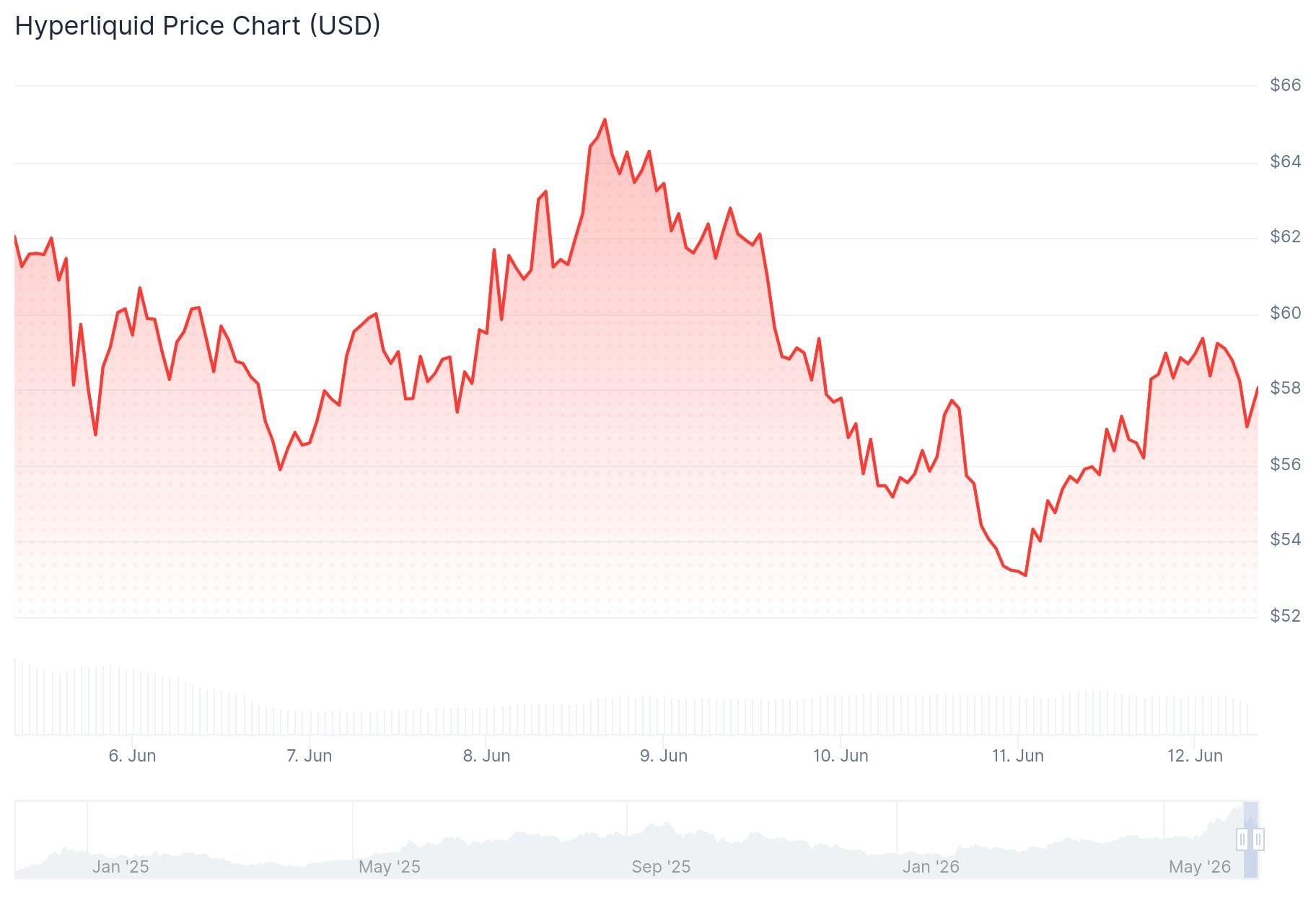
IP Hits $11.75, HYPE Climbs to $55, BlockDAG Surpasses Both with $407M Presale Surge!

IP Hits $11.75, HYPE Climbs to $55, BlockDAG Surpasses Both with $407M Presale Surge!

The post IP Hits $11.75, HYPE Climbs to $55, BlockDAG Surpasses Both with $407M Presale Surge! appeared on BitcoinEthereumNews.com. Crypto News 17 September 2025 | 18:00 Discover why BlockDAG’s upcoming Awakening Testnet launch makes it the best crypto to buy today as Story (IP) price jumps to $11.75 and Hyperliquid hits new highs. Recent crypto market numbers show strength but also some limits. The Story (IP) price jump has been sharp, fueled by big buybacks and speculation, yet critics point out that revenue still lags far behind its valuation. The Hyperliquid (HYPE) price looks solid around the mid-$50s after a new all-time high, but questions remain about sustainability once the hype around USDH proposals cools down. So the obvious question is: why chase coins that are either stretched thin or at risk of retracing when you could back a network that’s already proving itself on the ground? That’s where BlockDAG comes in. While other chains are stuck dealing with validator congestion or outages, BlockDAG’s upcoming Awakening Testnet will be stress-testing its EVM-compatible smart chain with real miners before listing. For anyone looking for the best crypto coin to buy, the choice between waiting on fixes or joining live progress feels like an easy one. BlockDAG: Smart Chain Running Before Launch Ethereum continues to wrestle with gas congestion, and Solana is still known for network freezes, yet BlockDAG is already showing a different picture. Its upcoming Awakening Testnet, set to launch on September 25, isn’t just a demo; it’s a live rollout where the chain’s base protocols are being stress-tested with miners connected globally. EVM compatibility is active, account abstraction is built in, and tools like updated vesting contracts and Stratum integration are already functional. Instead of waiting for fixes like other networks, BlockDAG is proving its infrastructure in real time. What makes this even more important is that the technology is operational before the coin even hits exchanges. That…
Share
BitcoinEthereumNews2025/09/18 00:32
Edges higher ahead of BoC-Fed policy outcome

Edges higher ahead of BoC-Fed policy outcome

The post Edges higher ahead of BoC-Fed policy outcome appeared on BitcoinEthereumNews.com. USD/CAD gains marginally to near 1.3760 ahead of monetary policy announcements by the Fed and the BoC. Both the Fed and the BoC are expected to lower interest rates. USD/CAD forms a Head and Shoulder chart pattern. The USD/CAD pair ticks up to near 1.3760 during the late European session on Wednesday. The Loonie pair gains marginally ahead of monetary policy outcomes by the Bank of Canada (BoC) and the Federal Reserve (Fed) during New York trading hours. Both the BoC and the Fed are expected to cut interest rates amid mounting labor market conditions in their respective economies. Inflationary pressures in the Canadian economy have cooled down, emerging as another reason behind the BoC’s dovish expectations. However, the Fed is expected to start the monetary-easing campaign despite the United States (US) inflation remaining higher. Investors will closely monitor press conferences from both Fed Chair Jerome Powell and BoC Governor Tiff Macklem to get cues about whether there will be more interest rate cuts in the remainder of the year. According to analysts from Barclays, the Fed’s latest median projections for interest rates are likely to call for three interest rate cuts by 2025. Ahead of the Fed’s monetary policy, the US Dollar Index (DXY), which tracks the Greenback’s value against six major currencies, holds onto Tuesday’s losses near 96.60. USD/CAD forms a Head and Shoulder chart pattern, which indicates a bearish reversal. The neckline of the above-mentioned chart pattern is plotted near 1.3715. The near-term trend of the pair remains bearish as it stays below the 20-day Exponential Moving Average (EMA), which trades around 1.3800. The 14-day Relative Strength Index (RSI) slides to near 40.00. A fresh bearish momentum would emerge if the RSI falls below that level. Going forward, the asset could slide towards the round level of…
Share
BitcoinEthereumNews2025/09/18 01:23
Zero Knowledge Proof Sparks 300x Growth Discussion! Bitcoin Cash & Ethereum Cool Off

Zero Knowledge Proof Sparks 300x Growth Discussion! Bitcoin Cash & Ethereum Cool Off

Explore how Bitcoin Cash and Ethereum move sideways while Zero Knowledge Proof (ZKP) gains notice with a live presale auction, working infra, shipping Proof Pods
Share
CoinLive2026/01/18 07:00