Oil Volatility Unleashed: How Price Swings Dictate Cross-Asset Market Pricing – HSBC Report
BitcoinWorld
Oil Volatility Unleashed: How Price Swings Dictate Cross-Asset Market Pricing – HSBC Report
LONDON, March 2025 – Global financial markets face a persistent and powerful driver: oil price volatility. According to a comprehensive new analysis from HSBC, fluctuations in crude oil prices do not operate in isolation. Instead, they critically influence pricing mechanisms across a diverse spectrum of assets, from currencies and equities to bonds and other commodities. This interconnectedness creates complex ripple effects that central banks, corporations, and investors must navigate daily. The bank’s research underscores that understanding these cross-asset linkages is no longer a niche concern but a fundamental requirement for modern financial strategy and macroeconomic stability.
Oil Volatility as the Primary Cross-Asset Catalyst
HSBC’s report meticulously charts the transmission channels through which oil price swings permeate global markets. Firstly, oil acts as a direct input cost for countless industries, immediately affecting corporate profit margins and inflation expectations. Consequently, central bank policy projections often shift in response to sustained oil price movements. Secondly, oil-exporting and importing nations experience profound impacts on their trade balances and fiscal health, which then reverberates through their sovereign debt markets and currency valuations. For instance, a sharp spike in oil prices can weaken the currencies of major importers like India and Japan while strengthening the Canadian dollar or Norwegian krone.
Furthermore, investor sentiment and risk appetite frequently correlate with energy market stability. Periods of high volatility in crude oil often coincide with broader market uncertainty, triggering capital flows into perceived safe-haven assets. This dynamic creates observable pricing relationships. The analysis demonstrates specific correlations, such as the historically inverse relationship between oil prices and the value of the US dollar, and the positive correlation between oil and the yields on inflation-protected securities (TIPS).
The Data-Backed Evidence from HSBC
HSBC’s team employed advanced quantitative models to isolate the specific influence of oil volatility. They analyzed data spanning the past two decades, encompassing events like the 2014 price crash, the 2020 negative pricing episode, and the post-2022 geopolitical surges. Their findings reveal that the strength of cross-asset pricing linkages intensifies during periods of extreme volatility. The following table summarizes key observed relationships during high-volatility regimes:
| Asset Class | Typical Reaction to Rising Oil Volatility | Primary Transmission Channel |
|---|---|---|
| Currencies (USD) | Initial strengthening, then uncertainty | Flight to liquidity, trade balance effects |
| Equities (Energy Sector) | High positive correlation | Direct earnings impact |
| Equities (Broad Market) | Negative correlation (increased cost pressure) | Input cost inflation, margin compression |
| Government Bonds | Yield curve shifts (inflation expectations) | Central bank policy anticipation |
| Industrial Metals | Moderate positive correlation | Global growth sentiment, transport costs |
Real-World Context and Historical Precedents
The report grounds its analysis in concrete historical examples to illustrate its thesis. The 2008 financial crisis, for example, featured a dramatic oil price peak followed by a collapse, which amplified the market turmoil and complicated policy responses. Similarly, the 2014-2016 oil price slump, driven by a supply glut, triggered significant stress in high-yield bond markets, particularly for energy issuers, and forced a recalibration of risk pricing across credit products. More recently, the price swings following geopolitical conflicts have led to immediate repricing in European natural gas contracts, Asian LNG spot prices, and even clean energy equity ETFs, demonstrating the wide net cast by crude oil dynamics.
This context is crucial for market participants. Portfolio managers now routinely stress-test their holdings against various oil price scenarios, not merely for energy exposure but for indirect effects on consumer discretionary stocks, transportation companies, and inflation-sensitive instruments. Risk management frameworks have evolved to incorporate these non-linear, cross-asset volatility spillovers as a standard module.
Expert Insights on Market Structure Changes
HSBC’s analysts highlight how market structure itself amplifies these linkages. The proliferation of algorithmic and quantitative trading strategies means price signals in the highly liquid oil futures market are rapidly parsed and acted upon in other asset classes. Additionally, the growth of multi-asset investment products and thematic ETFs means retail and institutional capital flows can simultaneously enter or exit positions tied to energy, equities, and commodities based on a single oil price trigger. This creates a faster, more integrated price discovery process but also a more fragile one during stress events.
The energy transition adds another layer of complexity. As economies attempt to decarbonize, the relationship between oil prices and broader markets may become less linear but potentially more volatile. Investments in renewable infrastructure, for instance, are sensitive to the relative cost competitiveness of fossil fuels. A period of low oil prices could slow transition momentum, while high prices could accelerate it, creating new feedback loops with technology and utility stock valuations.
Implications for Inflation and Monetary Policy
A core section of the analysis focuses on the primary conduit from oil to other assets: inflation. Oil price changes feed directly into headline inflation figures through fuel and energy components. They also influence core inflation over time via increased transportation and production costs. Central banks, therefore, closely monitor oil volatility as an indicator of future inflationary pressures. The report notes that since the 2020s, major central banks have explicitly referenced energy price volatility in their communications, acknowledging its role in shaping policy uncertainty.
For investors, this creates a challenging environment. Fixed-income markets must price in the probability of central bank reactions to oil-driven inflation, leading to volatility in bond yields. Equity markets must discount future earnings against a backdrop of uncertain interest rate paths influenced by energy costs. This interconnected reasoning explains why a single OPEC+ meeting announcement or a geopolitical event in a key producing region can trigger synchronous moves across stocks, bonds, and forex.
- Inflation Expectations: Breakeven inflation rates derived from Treasury bonds show heightened sensitivity to oil futures.
- Policy Sensitivity: The market’s pricing of future interest rate hikes/cuts adjusts with oil price trends.
- Currency Hedging: Corporations with international supply chains increase hedging activity when oil volatility rises.
Conclusion
HSBC’s conclusive analysis affirms that oil price volatility is a dominant force in cross-asset pricing, acting as a critical transmission mechanism for macroeconomic shocks. Its influence extends far beyond the energy sector, directly impacting currency valuations, equity market multiples, bond yields, and broader inflation trajectories. In today’s interconnected financial ecosystem, ignoring these linkages poses significant strategic risks. For traders, portfolio managers, and policymakers, developing a sophisticated understanding of these oil-driven channels is essential for effective risk management, accurate valuation, and strategic planning in an increasingly volatile world. The era of analyzing asset classes in silos is over; oil volatility has cemented their interdependence.
FAQs
Q1: What does “cross-asset pricing” mean in this context?
Cross-asset pricing refers to the phenomenon where price movements and volatility in one asset class (like oil) directly influence the valuation and price discovery process in other, seemingly unrelated asset classes, such as stocks, bonds, or currencies.
Q2: How does oil volatility specifically affect stock markets?
Oil volatility affects equities through multiple channels: it impacts the earnings of companies via input costs (negatively for users, positively for producers), influences overall market sentiment and risk appetite, and alters expectations for interest rates and economic growth, which are key drivers of equity valuations.
Q3: Why is the US dollar often impacted by oil price moves?
The US dollar is impacted because oil is globally priced in USD. Significant price changes affect global USD liquidity demand. Furthermore, the US is a major producer and consumer, so price swings impact its trade balance. Often, rising oil prices can hurt the currencies of major importers and benefit exporters, creating complex flows against the dollar.
Q4: Does this mean all assets move together when oil is volatile?
Not necessarily together in the same direction. The relationships are nuanced and can be inverse or correlated depending on the asset. For example, oil and energy stocks may rise together, but rising oil prices might hurt airline stocks and benefit inflation-linked bonds, creating a diverging pattern across the market.
Q5: How should an investor use this information?
Investors should consider oil price volatility as a key macro risk factor in their asset allocation and hedging strategies. It underscores the importance of diversification across assets that respond differently to oil shocks and highlights the need to monitor energy markets even for portfolios with no direct energy holdings.
This post Oil Volatility Unleashed: How Price Swings Dictate Cross-Asset Market Pricing – HSBC Report first appeared on BitcoinWorld.


You May Also Like

Bitcoin treasury sell-off accelerates as Riot, Bhutan, and public companies exit positions
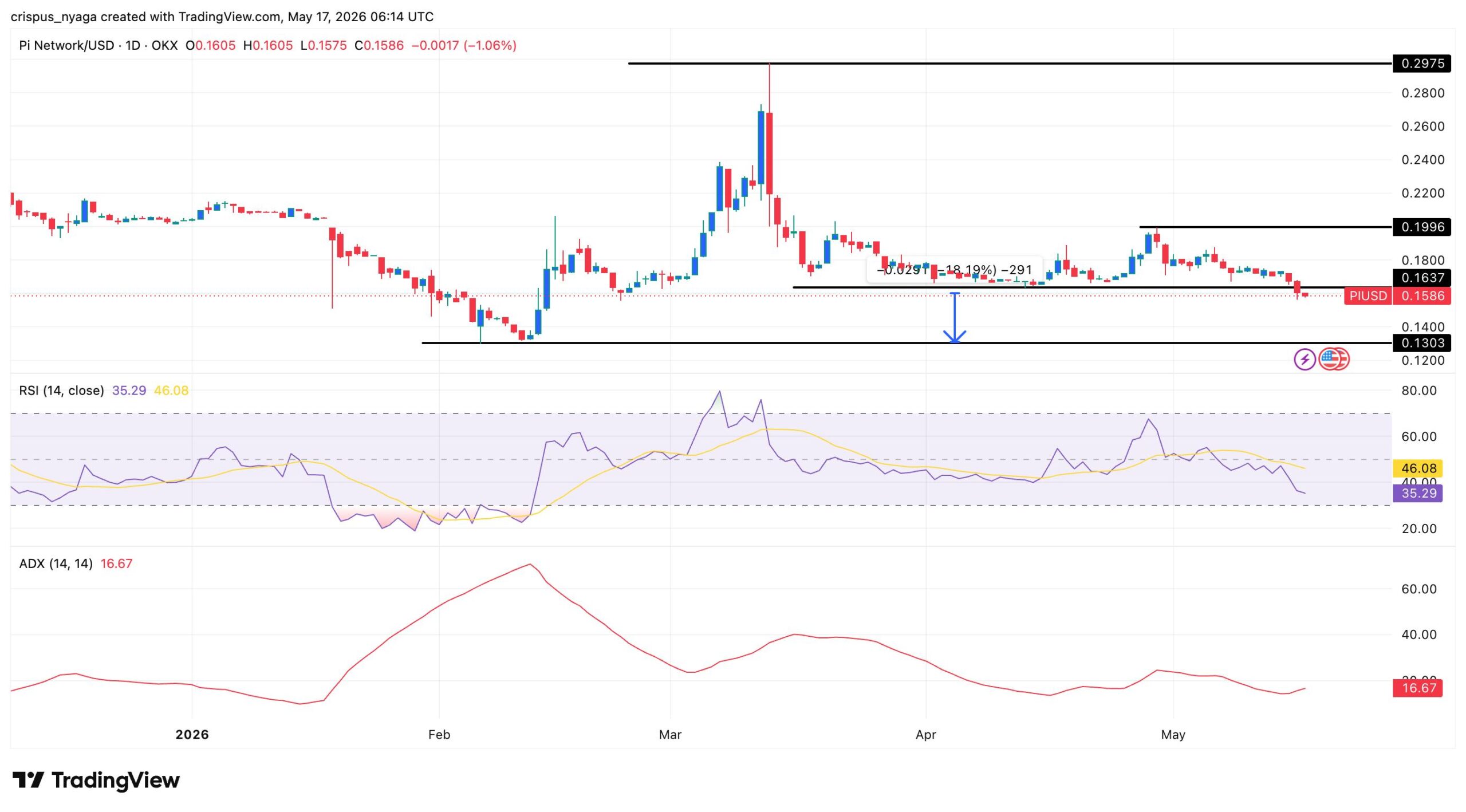
Pi Coin Price Crashes Another 7.5% Before Pi Network Protocol 23 Mainnet Activation