WTI Crude Oil Plummets as US-Iran Tensions and Tanker Escort Reports Create Market Chaos
BitcoinWorld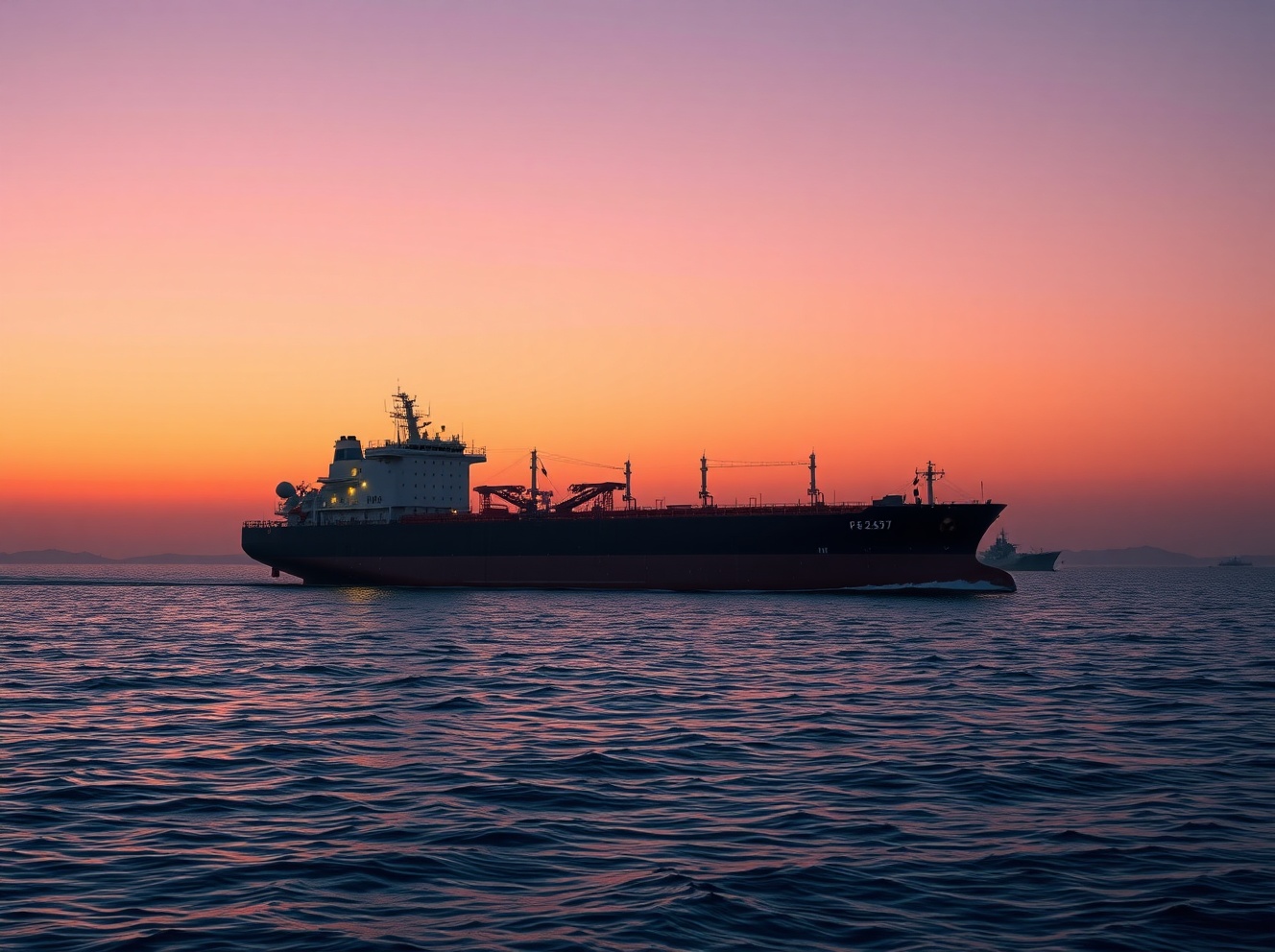
WTI Crude Oil Plummets as US-Iran Tensions and Tanker Escort Reports Create Market Chaos
West Texas Intermediate crude oil futures experienced dramatic price swings throughout Tuesday’s trading session, with volatility spiking to multi-week highs as escalating tensions between the United States and Iran, combined with unconfirmed reports of increased naval escorts for commercial tankers, created significant uncertainty in global energy markets. The benchmark contract initially plunged by over 3% during Asian trading hours before staging a partial recovery during the London session, ultimately settling with losses exceeding 2% by the New York close. This heightened volatility reflects growing concerns about potential supply disruptions in the world’s most critical oil transit corridor.
WTI Price Action Reflects Geopolitical Uncertainty
Traders witnessed WTI crude oil futures for July delivery swing between $77.25 and $80.50 per barrel during the volatile session. Market participants reacted strongly to multiple conflicting signals emerging from the Persian Gulf region. Initially, prices dropped sharply following reports suggesting diplomatic channels between Washington and Tehran remained open. However, subsequent unverified intelligence about increased Iranian naval activity near the Strait of Hormuz triggered a rapid reversal. This price action demonstrates how sensitive energy markets remain to developments in this strategically vital region, which handles approximately 20% of global oil shipments.
The trading session’s volatility index for crude oil contracts reached its highest level since early April, according to exchange data. Market analysts noted unusually heavy trading volumes, particularly in options contracts that would benefit from either significant price spikes or further declines. This hedging activity suggests institutional investors remain uncertain about the near-term direction despite the day’s price movements. Furthermore, the spread between WTI and Brent crude narrowed slightly, indicating regional supply concerns affecting both benchmarks differently.
Technical Analysis Reveals Key Support Levels
Technical analysts identified several critical price levels during Tuesday’s trading. The initial decline stopped precisely at the 100-day moving average around $77.30, which has served as reliable support throughout 2025. Additionally, the Relative Strength Index dipped briefly into oversold territory below 30 before recovering to neutral levels. Chart patterns suggest the market remains in a consolidation phase between $76.50 and $83.00, with Tuesday’s action testing the lower boundary of this range. Volume analysis confirms genuine selling pressure rather than algorithmic trading anomalies drove the initial decline.
US-Iran Tensions Escalate in Persian Gulf
The United States Fifth Fleet increased patrols near the Strait of Hormuz following what defense officials described as “provocative maneuvers” by Iranian Revolutionary Guard Corps vessels near commercial shipping lanes. This development represents the latest escalation in a series of incidents that began with Tehran’s announcement of accelerated uranium enrichment activities earlier this month. The White House subsequently confirmed it was reviewing options to ensure freedom of navigation through the critical waterway, though officials declined to specify what measures might be implemented.
Historical context reveals this region has experienced similar tensions multiple times over the past decade. In 2019, attacks on tankers near the Strait of Hormuz caused brief but significant oil price spikes. During 2022, Iranian seizures of commercial vessels prompted temporary insurance premium increases for shipping through the region. Current developments appear more concerning to analysts because they coincide with other geopolitical flashpoints, including ongoing conflicts in Eastern Europe and production adjustments by major oil-exporting nations.
The geopolitical landscape features several key factors influencing market reactions:
- Naval deployments: US carrier groups maintain presence in Arabian Sea
- Diplomatic channels: Indirect negotiations continue via European intermediaries
- Regional alliances: Gulf Cooperation Council members coordinate security measures
- Economic pressures: Sanctions continue affecting Iranian oil exports
Expert Analysis on Supply Chain Implications
Energy security specialists emphasize that the Strait of Hormuz represents the world’s most important oil transit chokepoint. Approximately 17 million barrels of oil pass through this narrow waterway daily, representing nearly one-fifth of global consumption. Any significant disruption would force tankers to reroute around the Arabian Peninsula, adding substantial costs and transit time. Insurance premiums for vessels traveling through the region have already increased by 15-20% this month, according to shipping industry sources. These additional costs eventually translate to higher prices for refined products worldwide.
Tanker Escort Reports Fuel Market Speculation
Unconfirmed reports circulated among trading desks suggesting the United States might initiate formal escort operations for commercial vessels transiting the Persian Gulf. Similar operations occurred during the “Tanker War” phase of the Iran-Iraq conflict in the 1980s, when the US Navy protected reflagged Kuwaiti tankers. Modern shipping industry representatives expressed mixed reactions to these rumors, with some welcoming enhanced security while others worried about further militarization of commercial sea lanes.
The shipping industry currently faces multiple challenges in the region. Many vessel operators have implemented enhanced security protocols, including increased watchkeeping and coordination with naval forces. Some companies have begun routing selected vessels around the Cape of Good Hope despite the additional 15-20 days transit time, particularly for shipments not bound for immediate delivery. This rerouting represents a precautionary measure rather than a widespread practice, but it indicates growing concern within the maritime community.
Market impacts extend beyond crude oil prices. Middle distillates like diesel and jet fuel have shown even greater volatility than crude benchmarks, reflecting their more immediate connection to transportation logistics. Refinery margins in Asia and Europe have widened as plants seek to capitalize on potential supply disruptions. Meanwhile, tanker freight rates for routes originating in the Middle East have increased approximately 25% over the past week, according to shipping brokerage data.
Historical Precedents and Current Differences
Previous incidents in the Persian Gulf provide context for current market reactions. The 2019 attacks on tankers caused Brent crude to spike 15% over two weeks before retreating. The 2022 seizures prompted more modest 5-7% increases. Current market responses appear more measured, possibly because strategic petroleum reserves remain at historically adequate levels in major consuming nations. Additionally, alternative supply routes have expanded since previous incidents, including increased pipeline capacity bypassing the Strait of Hormuz and growing US shale production.
Global Energy Market Implications
The volatility in WTI crude oil prices reverberated through related energy markets. Natural gas futures showed correlated movements despite different supply-demand fundamentals. Equity markets responded with energy sector stocks initially declining before recovering partially. The S&P 500 Energy Index finished the day with modest losses, underperforming the broader market. Currency markets saw the US dollar strengthen against commodity-linked currencies like the Canadian dollar and Norwegian krone, reflecting typical risk-off patterns during energy market uncertainty.
Global inventory data reveals mixed signals about market tightness. Commercial crude stocks in OECD nations remain near five-year averages, according to the latest International Energy Agency report. However, days of forward cover have decreased slightly as demand continues its gradual recovery. Strategic petroleum reserves in major consuming countries have been partially replenished following previous releases, though levels remain below historical averages in some cases. These inventory dynamics create a complex backdrop for assessing potential supply disruptions.
Regional impacts vary significantly across global markets:
| Region | Primary Concern | Price Impact |
|---|---|---|
| Asia-Pacific | Import dependency | Highest vulnerability |
| Europe | Alternative routes | Moderate exposure |
| North America | Domestic production | Lowest direct impact |
Economic Consequences Beyond Energy Markets
Sustained oil price volatility carries broader economic implications. Transportation costs affect nearly all goods in global trade, potentially contributing to inflationary pressures. Central banks in energy-importing nations monitor these developments closely as they formulate monetary policy. Historical analysis shows that oil price spikes preceded several economic slowdowns, though the relationship has weakened in recent decades due to improved energy efficiency and diversified energy sources. Nevertheless, prolonged uncertainty in energy markets typically dampens business investment and consumer confidence.
Conclusion
WTI crude oil markets experienced significant turbulence as geopolitical tensions between the United States and Iran intersected with reports about potential tanker escort operations in the Persian Gulf. The price swings reflect genuine uncertainty about near-term supply security through the world’s most critical oil transit corridor. Market participants remain focused on developments in the Strait of Hormuz while assessing broader implications for global energy flows. Historical precedents suggest volatility may persist until either diplomatic resolution or clear security arrangements emerge. The WTI crude oil benchmark will likely continue reflecting these geopolitical risks alongside fundamental supply-demand factors in coming trading sessions.
FAQs
Q1: What caused the sharp price movements in WTI crude oil?
Conflicting reports about US-Iran tensions and potential tanker escort operations in the Persian Gulf created uncertainty about supply security through the Strait of Hormuz, triggering volatile trading.
Q2: How important is the Strait of Hormuz for global oil markets?
Approximately 20% of global oil shipments pass through this narrow waterway daily, making it the world’s most critical oil transit chokepoint and highly sensitive to geopolitical developments.
Q3: Have similar incidents affected oil prices previously?
Yes, attacks on tankers in 2019 and vessel seizures in 2022 caused significant but temporary price spikes, though current market reactions appear more measured due to different inventory and supply conditions.
Q4: What are the broader economic implications of this volatility?
Sustained oil price uncertainty can contribute to inflationary pressures, affect transportation costs globally, and potentially influence central bank policies in energy-importing nations.
Q5: How are shipping companies responding to the increased tensions?
Some operators have implemented enhanced security protocols, increased coordination with naval forces, and in rare cases rerouted vessels around Africa despite longer transit times and higher costs.
This post WTI Crude Oil Plummets as US-Iran Tensions and Tanker Escort Reports Create Market Chaos first appeared on BitcoinWorld.


You May Also Like

UnionBank net income surges to P3.8B

Saylor’s $1 Million BTC Dream Crumbles, Schiff Claims