Iran oil continues to flow through Strait of Hormuz to China since Feb. 28 conflict
Iran kept sending crude oil to China through the Strait of Hormuz after the war began on Feb. 28, even as the fighting put the waterway under pressure and raised fears over wider supply losses.
At least 11.7 million barrels of crude from Iran passed through the strait after the war started, and all of those barrels were headed to China, Samir Madani of TankerTrackers said on Tuesday.
TankerTrackers uses satellite imagery to follow ships at sea, which matters more now because many vessels have gone dark. Their tracking systems were switched off after Tehran threatened to attack any ship trying to pass through the waterway.
Kpler put the volume at around 12 million barrels over the same period. Nhway Khin Soe of Kpler said, “Given that China has been the primary buyer of Iranian crude in recent years, a significant share of these barrels could ultimately head there,” while adding that it has become harder to confirm where those ships end up.
American forces sink Iranian vessels as mine fears hit the Strait of Hormuz
The military situation got worse on Tuesday. U.S. Central Command said American forces sank several Iranian ships near the Strait of Hormuz, including 16 minelayers, after reports said Tehran was trying to place mines in the waterway.
That strait matters far beyond the region because it is one of the main routes for global energy supply.
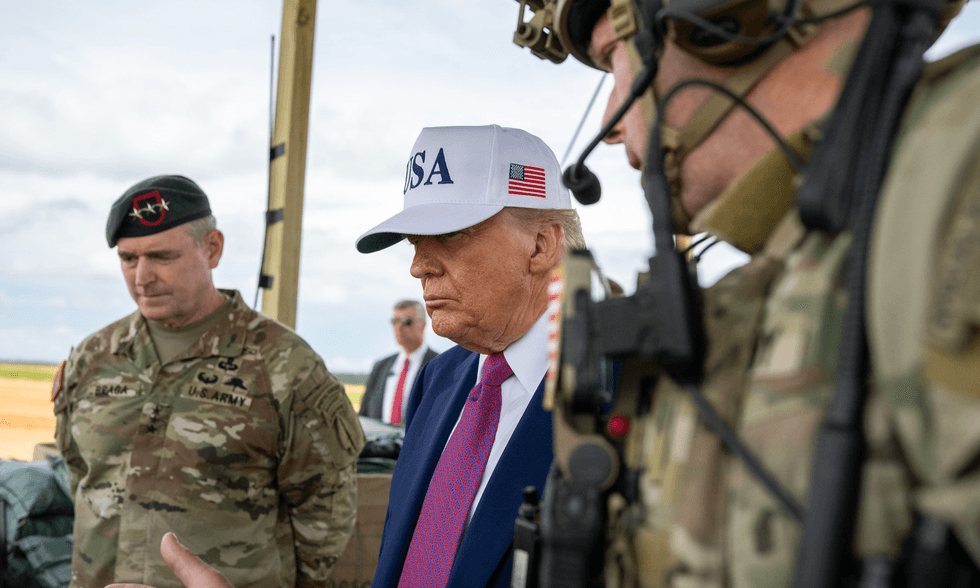
The U.S. statement came after Donald Trump posted a warning online. He wrote that if Iran had placed mines in the strait, “we want them removed, IMMEDIATELY!” He then raised the threat further in another Truth Social post. Trump said:-
Later, Trump claimed that 10 inactive minelaying ships had already been sunk, with “more to come.”
That left the oil route in an ugly spot. Ships were still crossing, but the pressure around the channel kept building. Some tankers were harder to trace. Military action was already underway. Public threats from Washington were getting stronger by the hour.
Yet crude from Iran still kept moving toward China.
China builds oil buffers while its economy still depends on steady energy supply
For Xi Jinping, reducing the risk of an energy shock has been a long-running goal. China has pushed harder on electric vehicles to cut fuel use, increased crude production at home, and built deeper energy ties with Russia to reduce dependence on the Middle East.
At the same time, Beijing has built huge oil reserves. Those stockpiles likely total more than 1.2 billion barrels, enough to cover roughly 100 days or more of imports.
China was also buying heavily before the war around Iran blew up. Customs data released Tuesday showed that China’s crude imports rose nearly 16% in the first two months of 2026 from a year earlier.
The International Energy Agency expects China’s oil demand to peak in the next few years, but not collapse. Demand is more likely to flatten out through the rest of the decade, which means China will still face exposure to the Middle East.
That keeps Tehran important for Beijing. China has spent decades building ties there, and now it will need to deal with the new leadership in Iran. China’s foreign minister has criticized the attacks on Iran and called for a cease-fire, but Beijing has not shown that it plans to do much more than speak.
A Chinese Foreign Ministry spokesman said on Monday that China would take steps to protect its energy security, but did not say if reserves would be released to calm the oil market.
All of this lands as China tries to revive a slower economy by getting people to spend more. At this year’s Two Sessions in Beijing, officials set a 4.5% to 5% growth target, the lowest since 1991.
They also rolled out measures meant to boost household spending, a sign that the old growth model is losing strength.
At the same time, the coming 15th Five-Year Plan still backs advanced manufacturing, technology, and wider use of AI across the economy.
Beijing wants stronger industry, but exports alone are looking less reliable as protectionism grows and demand weakens.
The smartest crypto minds already read our newsletter. Want in? Join them.


You May Also Like

Citi Warns Bitcoin Is More Vulnerable to Quantum Computing Attacks Than Ethereum

Why Tether’s LemFi Deal Could Transform International Remittances